Your cat might look perfectly healthy — they eat well, nap in their favorite sunny spot, and rarely cause concern. But even the most pampered indoor cats can develop serious health issues, and they’re experts at hiding them until it’s too late.

That’s why a routine cat wellness exam is so important. A regular wellness exam for cats (often called a cat annual checkup or cat veterinary checkup) allows your veterinarian to look for the early signs of illness in cats that most pet parents would never notice at home. Indoor cats are just as vulnerable to certain conditions as outdoor cats, including kidney disease, diabetes, dental problems, and other indoor cat illnesses that progress silently.

Cats are hardwired to mask pain and sickness — a survival instinct from their wild ancestors. By the time symptoms are obvious, the condition may already be advanced. Preventive veterinary care helps catch problems early, protect your cat’s long-term health, and give you peace of mind knowing your furry family member is staying as healthy as possible.

Right now, Pieper Veterinary Hospitals is offering a free first wellness exam for indoor cats. Book by September 30 and enter to win a LitterBot.

Hidden Illness #1: Chronic Kidney Disease

Chronic kidney disease is one of the most common, and most serious, conditions seen in cats, particularly as they get older. The challenge is that the early signs of illness in cats can be so subtle you may not notice them. Maybe your cat is drinking a little more water or you’re scooping a bit more urine from the litter box. In many cases, there are no obvious symptoms at all until the disease is quite advanced.

The best way to catch kidney problems early is through a cat wellness exam. During your cat’s regular vet checkup, a simple blood test and urinalysis can reveal kidney issues before they cause major health problems. Detecting kidney disease at a routine checkup means your veterinarian can begin treatment sooner, making the condition much easier to manage and helping your cat live a longer, healthier life.

Hidden Illness #2: Dental Disease

Cats don’t usually get cavities the way humans do, but they are highly prone to dental and periodontal disease. This painful condition can lead to tooth loss, infections, and even serious complications affecting the heart and kidneys. The tricky part? Many pet parents never notice the warning signs. Your cat might not have bad breath or visible tartar, but bacteria can still be quietly causing damage beneath the gums.

That’s why dental care is an important part of every cat wellness exam. At your cat’s annual checkup, your veterinarian will look for hidden dental issues and may recommend a professional cleaning. Staying on top of dental health doesn’t just protect your cat’s mouth, it helps prevent more serious illnesses and keeps your cat healthy for years to come.

Hidden Illness #3: Diabetes

Diabetes is becoming increasingly common in cats, especially those who are overweight or middle-aged. The early signs of illness in cats with diabetes can be subtle — things like drinking more water, urinating more often, or unexplained weight changes. These symptoms are easy to miss if you’re not watching closely.

The good news is that diabetes can often be managed successfully when caught early. In fact, some cats may even go into remission with prompt treatment. That’s why a regular cat wellness exam or check up for cats is so important: your veterinarian can run simple tests to detect diabetes before it becomes life-threatening.

Hidden Illness #4: Hyperthyroidism

Hyperthyroidism (an overactive thyroid gland) is one of the most common hormonal disorders in older cats. It can cause weight loss despite a hearty appetite, hyperactivity, vomiting, or even changes in coat quality. If left untreated, it may lead to high blood pressure and heart disease.

During your cat’s annual checkup, a routine blood test can screen for thyroid problems early. Including this test in your cat’s wellness exam helps ensure treatment can begin before serious complications develop, protecting both quality of life and long-term health.

Hidden Illness #5: Cancer

Unfortunately, even indoor cats can develop cancer. Some of the most common types include lymphoma, mammary tumors, and oral cancers. Many forms can be treated more effectively when detected early — but the first signs are often invisible to pet parents.

That’s why routine preventive care is critical. At a cat annual checkup your veterinarian can detect small lumps, swelling, or other subtle changes during a thorough physical exam, sometimes months before you’d notice anything at home. Early detection means more treatment options and a better chance at a positive outcome.

Why Early Detection Matters

Catching hidden health problems early can make all the difference. It often means simpler treatment plans, less pain and stress for your cat, and lower veterinary costs for you. A routine cat wellness exam gives your veterinarian the chance to spot small changes before they turn into major issues — even if your cat seems perfectly healthy at home.

By staying consistent with your cat’s annual checkup, you’re giving them the best chance at a longer, healthier, and happier life.

Give Your Cat the Gift of Health — For Free

Right now, Pieper Veterinary Hospitals is offering a free first wellness exam for cats who haven’t been seen in a while. Schedule your cat’s check up before September 30, and you’ll also be entered to win a LitterBot automatic litter box.

Don’t wait until symptoms appear — because by the time you notice them, many indoor cat illnesses may already be advanced. The best time to protect your cat’s health is before they show you something’s wrong. Book your appointment today and give your cat the gift of lifelong health.
Book Your Free Exam Now

You might think your indoor cat is safe from rabies. After all, they never set a paw outside, so how could they possibly be exposed? But the reality is very different. Rabies doesn’t need your cat to go outside; sometimes, it finds a way inside your home. A single encounter with a bat, raccoon, or other wild animal that slips in through a chimney, attic vent, or open window could be enough to put your cat — and your family — at risk.

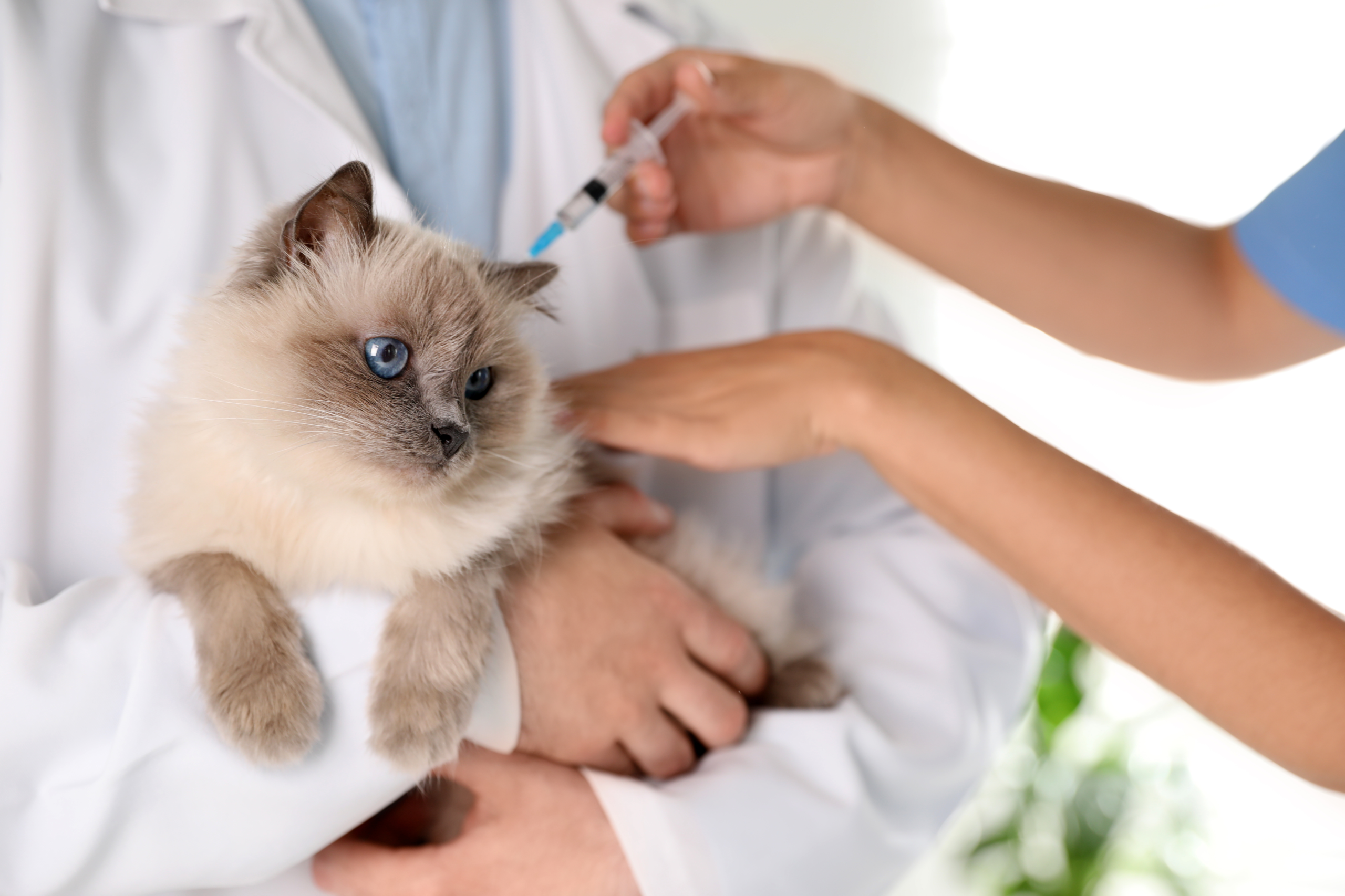
That’s why cat vaccinations are so critical, even for pets who live strictly indoors. A routine rabies vaccination for cats provides a layer of protection against one of the deadliest diseases in the world. It’s not just about complying with the law, it’s about safeguarding your cat’s health and ensuring your household stays safe if an unexpected exposure ever occurs.

How Rabies Can Sneak into Your Home

Many cat owners assume rabies is a danger only for outdoor pets. After all, how could an indoor cat possibly cross paths with a wild animal? But rabies doesn’t need your cat to go outside, sometimes, it comes inside to find them.

Rabies is carried by mammals such as bats, raccoons, skunks, and foxes. And while you’d notice a raccoon rummaging through your kitchen, a bat can slip quietly inside through an attic vent, chimney, or loose screen. Small wild animals often find their way into basements, garages, or crawl spaces without you realizing it.

Cats, being natural hunters, may investigate these intruders before you do. The problem is, it takes only a tiny bite or scratch to transmit rabies, and these wounds are often so small they’re easy to miss under fur. You may never see the injury, or the animal that caused it.

This is why cat vaccinations are so critical, even for indoor-only pets. A routine rabies vaccination for cats provides a powerful layer of protection against these rare but high-risk encounters.

Why Rabies is So Dangerous

Rabies isn’t just serious, it’s almost uniquely terrifying. It is 100% fatal once symptoms appear in both animals and humans. There is no cure, and no treatment once the disease takes hold.

For people, the first signs — fever, headache, and weakness — can mimic something as simple as the flu. But once neurological symptoms such as disorientation, paralysis, seizures, or hydrophobia (fear of water) develop, it’s too late for medical intervention.

Cats face the same fate. Once a cat begins showing signs of rabies (changes in behavior, drooling, aggression, or paralysis) there is no recovery. The disease always progresses to death.

Because rabies is zoonotic (spread between animals and humans), protecting your cat with up-to-date cat vaccinations also protects you and your family. It’s one of the few preventive measures in veterinary care that safeguards both pets and people.

Right now, Pieper Veterinary Hospitals is offering a free first wellness exam for indoor cats. Book by September 30 and enter to win a LitterBot.

The Stakes for Your Cat — and Your Family

What happens if your cat is exposed to a rabid animal? The answer depends on whether or not they’re vaccinated.

If your Cat is Unvaccinated

The law typically requires strict quarantine that can last several months — or euthanasia, even if your cat seems healthy. Authorities cannot take risks with rabies, because the disease is so deadly and difficult to detect in its early stages.

If your Cat is Vaccinated

The outcome is far less severe. In most cases, your veterinarian will administer a booster shot and your cat will undergo a short observation period to confirm their health.

In other words, keeping your cat’s rabies vaccination up to date could be the difference between a simple follow-up appointment and heartbreaking consequences.

For your family, the stakes are just as high. If an unvaccinated cat contracts rabies and bites a human, that person must undergo a series of painful, expensive post-exposure shots immediately. Vaccination removes that risk, offering protection and peace of mind for every member of your household.

Indoor Cats Are Not Exempt

One of the most common myths veterinarians hear is: “My cat never goes outside, so they don’t need vaccines.” But the truth is, indoor cats are not exempt from rabies risk.

The rare but real encounters, a bat in the attic, a squirrel in the basement, or a raccoon in the garage, are exactly why rabies vaccination for cats is required by law for all cats, regardless of lifestyle. Even if your cat never sets a paw outside, there’s still a chance wildlife could make its way in.

And it’s not just about rabies exposure. Annual cat vaccinations are a cornerstone of preventive care, helping protect against other common diseases that can spread easily between animals. Some viruses, such as feline distemper, can even be carried inside on shoes, clothing, or through open windows.

By staying current with vaccines, you’re giving your indoor cat the same level of protection as their outdoor counterparts, without taking chances.

Why Vaccination is Part of Preventive Care

A cat wellness exam is more than just shots, but vaccinations are an essential piece of the puzzle. At a routine appointment, your veterinarian will:

  • Review your cat’s vaccination history and update any overdue doses.

  • Perform a full physical exam to check for lumps, weight changes, or other subtle health concerns.

  • Ask about your cat’s lifestyle, diet, and habits to provide tailored recommendations.

  • Discuss other preventive care such as dental cleanings, parasite protection, and bloodwork as your cat ages.

Vaccinations fit into this bigger picture of keeping your cat healthy for the long term. Protecting against rabies is just one part of ensuring your pet has many safe, happy years ahead.

Protect Your Cat. Protect Your Family.

A simple vaccine could save your cat’s life, and yours. If your cat’s rabies vaccine is overdue, or if you’re unsure when they last received it, don’t wait until an emergency. Schedule a cat vet checkup now to confirm their protection is current.

Right now, Pieper Veterinary Hospitals are offering a free first wellness exam for cats who haven’t been in for a while. Book your appointment before September 30, and we’ll ensure your cat’s rabies vaccination is up to date (plus, you’ll be entered to win a LitterBot automatic litter box!)

Your indoor cat may never encounter a bat or raccoon — but if they do, you’ll be glad you planned ahead. Don’t take the risk. Protect your pet, protect your family, and enjoy peace of mind knowing your cat is safe.

Book Your Free Exam Now

Life happens. Between work, family, and the everyday chaos of… well, everything, it’s easy to let time slip by. One day you realize your cat hasn’t been in for their annual wellness exam or a cat vet checkup in a year… or two… or maybe longer.

Here’s the important thing to know: your veterinarian isn’t here to judge you. You don’t need to feel embarrassed or guilty if your cat is overdue on vaccinations or has missed a wellness visit. What matters most is getting your cat back on track now — and it’s absolutely not too late.

Right now, Pieper Veterinary Hospitals is offering a free first wellness exam for indoor cats. Book by September 30 and enter to win a LitterBot.”

You’re Not Alone

If you’ve fallen behind on your cat’s routine vet checkups, you’re in good company. Many caring, responsible pet parents do. Maybe your cat bolts under the bed the second they see the carrier. Maybe you thought, “They’re an indoor cat, they’re safe.” Or maybe life just got busy, and months turned into years before you realized your cat hasn’t had a wellness exam in quite a while.


The truth is, you’re not alone, and you don’t need to feel guilty. Cats are masters of disguise when it comes to health issues. Unlike dogs, they rarely show pain or weakness until a problem is advanced. That means even cats who seem perfectly fine at home may actually be hiding serious conditions.

Some of the most common illnesses veterinarians find during a routine cat vet checkup include:

  • Kidney disease – one of the leading health issues in aging cats.

  • Dental disease – painful infections that affect the mouth and can spread to the heart and kidneys.

  • Diabetes – increasingly common in overweight and middle-aged cats.

  • Hyperthyroidism – an overactive thyroid that can cause weight loss, heart issues, and restlessness.

  • Cancer – which can sometimes be detected early through subtle lumps or changes.

The earlier these problems are discovered, the better the outcome. A simple cat wellness exam with updated vaccinations and basic lab work can mean the difference between catching a condition early — when it’s easier and less expensive to treat — versus waiting until your cat is seriously ill.

Skipping visits doesn’t make you a bad pet parent, it makes you human. The important thing is recognizing the gap and taking steps now to get your cat back on track.

Your Vet is On Your Team

One of the biggest worries for pet parents who have missed appointments is fear of being judged. But here’s the truth: veterinarians and their teams are not here to lecture you. They understand that life happens, and their job is to help you move forward.

When you bring your cat in after missing a year (or several) of care, the team will start where you are. They’ll begin with a gentle, thorough cat health checkup. This typically includes:

  • A physical exam of your cat’s weight, eyes, ears, coat, teeth, and overall body condition.

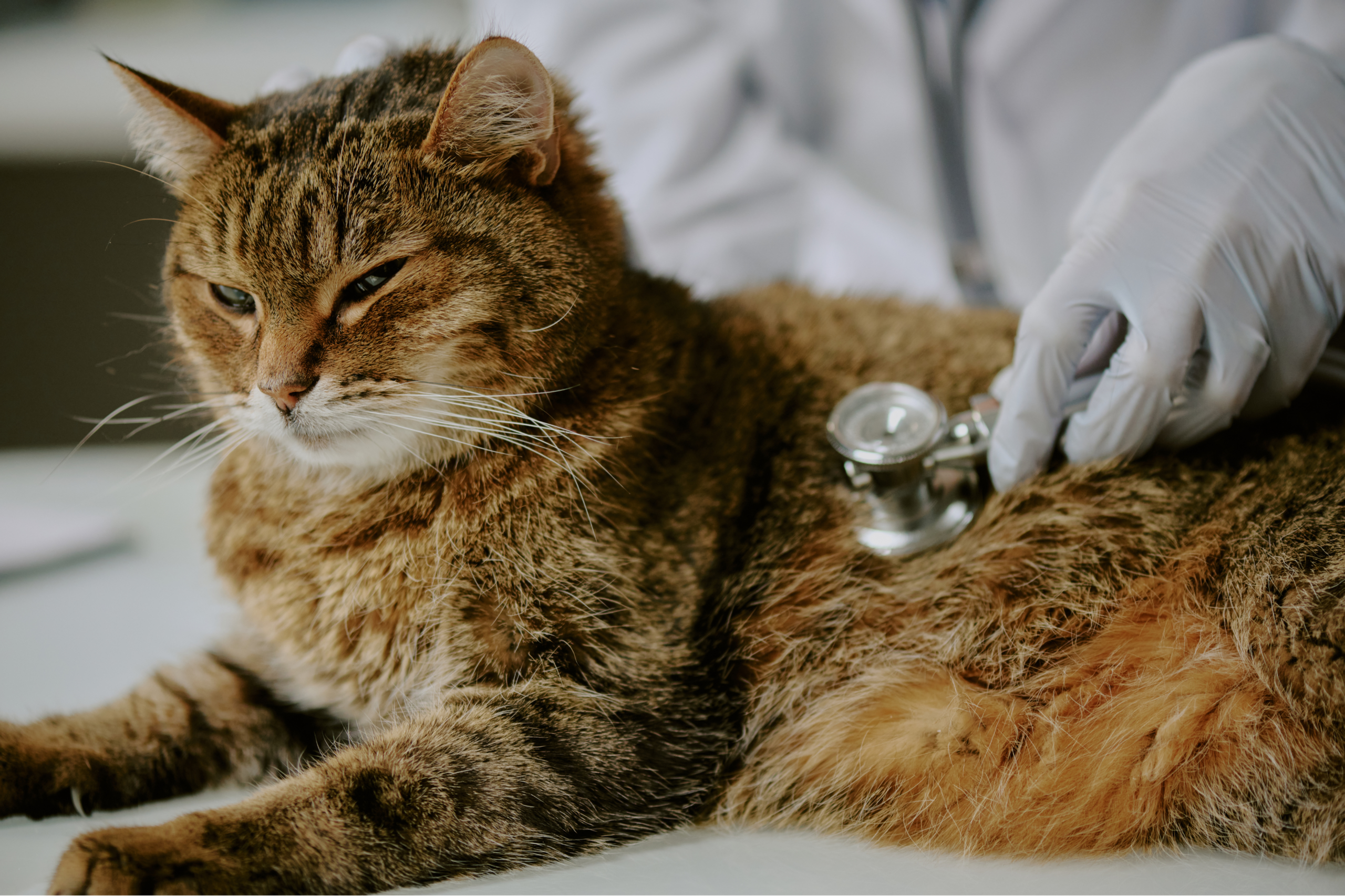
  • Listening to the heart and lungs to check for early signs of cardiac or respiratory issues.

  • Checking for lumps, bumps, or changes in muscle tone.

  • Updating any overdue cat vaccinations to protect against preventable diseases.

  • Recommending screening tests such as bloodwork or a urinalysis, especially if your cat is older.

Just as importantly, your veterinarian will want to know about your cat’s daily life, their eating habits, energy levels, litter box use, and even personality changes. These details provide valuable clues about your cat’s health that you might not connect to medical issues.

Together, you and your veterinarian will build a plan that works for your cat and your budget. This may include preventive care, lifestyle adjustments, or recommended follow-up visits. What you won’t find? Guilt trips or shaming. The veterinary team’s only goal is to help your cat live a longer, healthier, happier life.

Think of your vet as a partner, not a critic. They’re on your team, and they’re here to support you no matter how long it’s been since your cat’s last visit.

Why Now is the Perfect Time

So why not wait until your cat seems sick to schedule care? Because by the time you notice something is wrong, many conditions are already advanced. Cats are excellent at hiding pain and visible symptoms often appear only when a disease has progressed.

Scheduling a routine cat wellness exam now gives you peace of mind and helps protect your cat’s future health. At an annual checkup, your veterinarian can:

  • Catch hidden problems early: A small weight change, increased thirst, or subtle behavior shift may reveal conditions like diabetes or kidney disease.

  • Update overdue vaccinations: Core vaccines help protect against serious, preventable illnesses such as rabies, feline distemper, and upper respiratory infections. Even indoor cats benefit, since viruses can travel on shoes, clothing, or through open windows.

  • Give you a health baseline: By tracking weight, bloodwork, and other health markers yearly, your vet can spot trends long before they become emergencies.

  • Provide personalized advice: Whether your cat is a playful kitten, a mellow middle-ager, or a senior with changing needs, your vet will offer tailored guidance on nutrition, exercise, and preventive care.

Preventive care doesn’t just protect your cat, it protects your wallet, too. Treating advanced illness often costs significantly more than maintaining routine cat wellness exams and vaccinations. A small investment in regular care can save you from the stress, worry, and expense of an emergency later on.

Most importantly, getting back on track today means more healthy, happy years with your cat. They don’t care if you’ve missed a year or two, they just care that you’re here for them now.

A Special Invitation from Pieper Veterinary Hospitals

If it’s been a while, now’s the perfect time to get back on track. Pieper Veterinary Hospitals is offering a free first cat wellness exam for cats who haven’t visited in over a year. Schedule your appointment before September 30, and you’ll also be entered to win a LitterBot automatic litter box.

Your cat doesn’t care about the time that’s passed — they just care that you’re here for them now. Let’s make this their healthiest year yet.

Book Your Free Exam Now

How to Get Your Cat to the Vet Without Losing a Limb

How to Get Your Cat to the Vet Without Losing a Limb

Many cat owners agree: the hardest part of a cat wellness exam isn’t the bill, it’s getting your cat there in the first place. Some cats seem to know the moment you even think about pulling out the carrier. Suddenly, they vanish under the bed or turn into a writhing, hissing ball of claws.

But skipping the vet isn’t an option if you want your cat to live a long, healthy life. A routine cat wellness exam can catch hidden issues like kidney disease, diabetes, hyperthyroidism, and even cancer, often before your cat shows any obvious symptoms. If you’ve ever wondered how to take a cat to the vet without all the stress, here’s how to make your next cat vet appointment calmer, safer, and easier for both of you.

Step 1: Choose the Right Cat Carrier

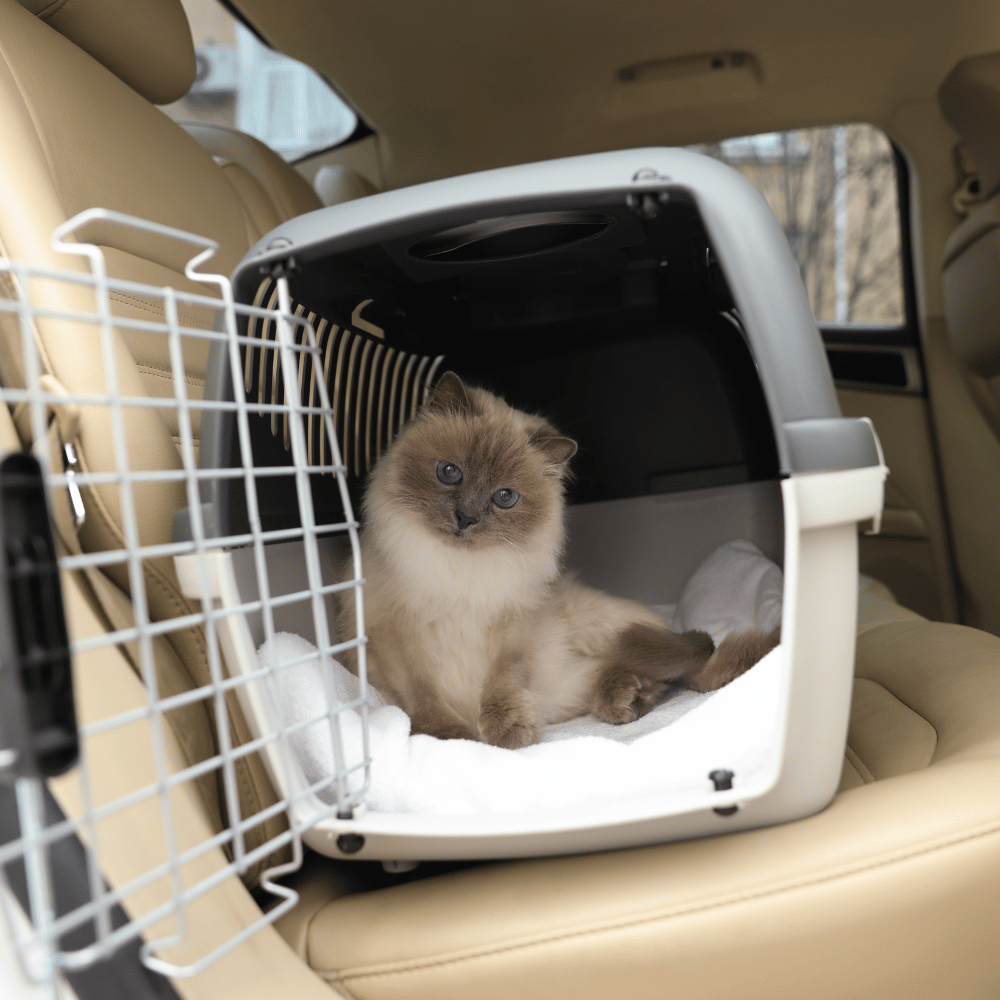
A sturdy, secure carrier is essential for a stress-free vet appointment. The right carrier doesn’t just keep your cat safe; it sets the tone for the entire trip. Think of it as your cat’s portable safe space.

Look for one that:

  • Opens from both the front and the top (this gives you more options when placing your cat inside).

  • Has enough space for your cat to turn around comfortably without feeling cramped.

  • Is hard sided for extra durability and security (though soft carriers can work well for shorter trips).

  • Has a removable top, which allows your veterinarian to examine your cat inside the carrier during a cat vet checkup, minimizing stressful handling.

Skip the makeshift options like cardboard boxes or totes. They’re often flimsy, can collapse under stress, and don’t provide the safety your cat needs during travel. Some cats even manage to claw their way out, which can be dangerous if you’re on the road.

Right now, Pieper Veterinary Hospitals is offering a free first wellness exam for indoor cats. Book by September 30 and enter to win a LitterBot.

Step 2: Make the Carrier a Familiar Place

If the carrier only appears right before a cat vet checkup, your cat will instantly associate it with something negative. Instead, integrate the carrier into your home so it becomes a regular part of their environment.

Place it in a quiet corner with the door open and make it cozy. Line it with a blanket that smells like your cat or add a favorite toy. Toss in a few treats or even feed your cat their meals inside occasionally. Over time, they’ll start to see the carrier as a safe den rather than a trap.

Cats that view their carrier positively are far easier to transport for their cat vet appointments. This simple step can make the biggest difference between a stressful battle and a smooth trip.

Pro Tip: If your cat loves cardboard boxes or sunbeams, put the carrier in one of those favorite spots. The goal is to associate the carrier with comfort, not conflict.

Step 3: Use the Power of Scent

Cats rely heavily on scent for security and familiarity, so tapping into that instinct is key before a cat wellness exam.

Here’s how you can make scent work for you:

  • Place bedding or a towel from your cat’s favorite sleeping spot inside the carrier. Familiar smells help lower anxiety.

  • Spray the inside of the carrier with a feline pheromone spray like Feliway 10–15 minutes before loading your cat. These synthetic pheromones mimic the “happy” scents cats naturally release, signaling safety.

  • Avoid cleaning the carrier right before your cat vet appointment. Harsh chemical smells or “new” smells can unsettle your cat.

Step 4: Stay Calm Yourself

Your cat is incredibly in tune with your emotions, if you’re anxious about how to take a cat to the vet, your cat will pick up on it. Calm energy is contagious.

On the day of your cat vet appointment:

  • Move slowly and speak softly. Quick, jerky movements can make your cat think something is wrong.

  • Avoid chasing your cat if they resist. Instead, try gently coaxing them with treats, toys, or even a small meal placed inside the carrier.

  • Keep your voice calm and steady. Even cats who don’t understand words respond to tone.

If your cat senses you’re calm, they’re more likely to cooperate. Remember, the goal isn’t to force your cat into compliance but to make the process feel safe and predictable.

Step 5: Make the Car Ride Comfortable

For many cats, the ride itself is the most stressful part of a cat vet checkup. The carrier is moving, there are strange smells, and the environment is unfamiliar. But you can take steps to make it less scary.

  • Cover the carrier with a light blanket or towel to block outside sights. This creates a “cave-like” effect that feels safe.

  • Keep the car temperature moderate — not too hot or too cold.

  • Drive smoothly and avoid sudden stops or loud music.

  • Place the carrier on the floor behind the passenger seat or secure it with a seatbelt for stability. Cats feel calmer when the carrier doesn’t shift around.

Resist the urge to open the carrier mid-trip. Even a calm cat can panic and escape, which is extremely dangerous in a car.

Pro Tip: If your cat is especially anxious, talk to your vet before the visit. They may recommend mild anti-anxiety medication to make travel easier.

Step 6: Practice Short Trips

Practice makes perfect, and that applies to vet trips too. If your cat only ever gets in the carrier to go to the vet, the negative association is hard to break.

Take your cat on short rides around the block without a destination. End these practice trips with rewards like treats, playtime, or even dinner. This helps your cat learn that the carrier and car don’t always mean needles or thermometers.

Over time, these “fun rides” make actual cat vet appointments much easier. The more your cat views travel as routine, the less likely they are to resist.

Why Stress-Free Vet Visits Matter

Getting your cat to the vet is worth the effort. Routine cat wellness exams help your veterinarian catch problems like kidney disease, dental disease, diabetes, or cancer early — when they’re easier (and less expensive) to treat.

The less stressful the trip, the more likely you are to stick with those regular checkups that can add years to your cat’s life.

Special Offer: Free First Cat Wellness Exam

Right now, Pieper Veterinary Hospitals is offering a free first wellness exam for cats who haven’t been in for a while. Schedule your cat’s vet checkup before September 30 and you’ll also be entered to win a LitterBot automatic litter box.

Don’t wait until your cat is showing symptoms — by then, many illnesses may already be advanced. Book your appointment today and make your next cat vet visit a calmer, healthier experience.

Book Your Free Exam Now

When a dog starts acting “off,” it can be easy to chalk it up to age, injury, or even personality. But some subtle changes in behavior or movement could actually point to an issue with the nervous system. Neurological signs in dogs can range from mild to severe – and early diagnosis is critical for the best outcome.

At Pieper Veterinary, our Neurology & Neurosurgery team uses advanced diagnostics like MRI to get to the root of these complex issues. If you’ve noticed something unusual in your dog, here’s what you need to know.

Common Neurological Signs in Dogs

Dogs can’t tell us when something feels wrong—but they often show us. Neurological problems may affect the brain, spinal cord, or nerves, leading to a wide variety of signs, including:

  • Wobbliness or unsteady walking (Ataxia)

Your dog may look drunk, sway side to side, or have difficulty maintaining balance—especially on slippery surfaces or stairs.

  • Sudden weakness or collapse

If your dog suddenly can’t stand, seems weak in the limbs, or collapses without warning, it could be a spinal or neuromuscular issue.

  • Seizures or twitching

Any abnormal shaking, muscle tremors, or full-body seizures should be evaluated by a vet immediately. Do your best to get a video of your dog’s behavior at home – its very unlikely they’ll repeat it in front of the doctor.

  •  Head tilt or circling

These signs may point to vestibular(balance) dysfunction or a brain lesion and often worsen without treatment.

  • Neck or back pain

Dogs with spinal problems may cry out when touched, resist movement, or walk with a hunched back.

  • Paralysis or dragging limbs

Partial or full paralysis (especially in the back legs) can be caused by intervertebral disc disease (IVDD), spinal cord injury, or infections.

  • Changes in behavior or awareness

Confusion, aggression, staring off into space, or not recognizing family members may indicate a neurological event.

  • Loss of bladder or bowel control

Incontinence, especially when paired with mobility changes, may signal spinal compression or nerve dysfunction.

Call us at (860) 431-3025 to Schedule an Appointment.

When to See a Veterinary Neurologist

Your primary veterinarian is the best place to start – but for more advanced signs or unclear diagnoses, a referral to a veterinary neurologist can be life-changing.
At Pieper Memorial, our Neurology & Neurosurgery team offers:

  • Expert neurological exams

Our specialists perform comprehensive neuro exams to pinpoint where the problem lies within the nervous system.

  • MRI imaging for advanced diagnosis

MRI is the gold standard for evaluating brain and spinal conditions in dogs. It’s safe, non-invasive, and incredibly detailed.

  • Treatment for complex conditions

From seizures and brain tumors to disc herniations, vertebral fractures and meningitis, our team has experience with the most challenging cases.

  • Surgical and non-surgical care

Whether your pet needs surgery or long-term medication management, we work with you to find the best solution.

Want to take the next step? Learn more about our neurology services.

Don’t Wait—Early Action Matters

Neurological issues can progress quickly. The sooner you seek care, the better the chances of recovery. If your dog is showing any of the signs listed above, talk to your vet or ask about a referral to our Neurology & Neurosurgery department.
At Pieper Veterinary, we’re proud to offer compassionate, expert care when it matters most. If your dog needs advanced diagnostics or neurological support, our team is here to help.