
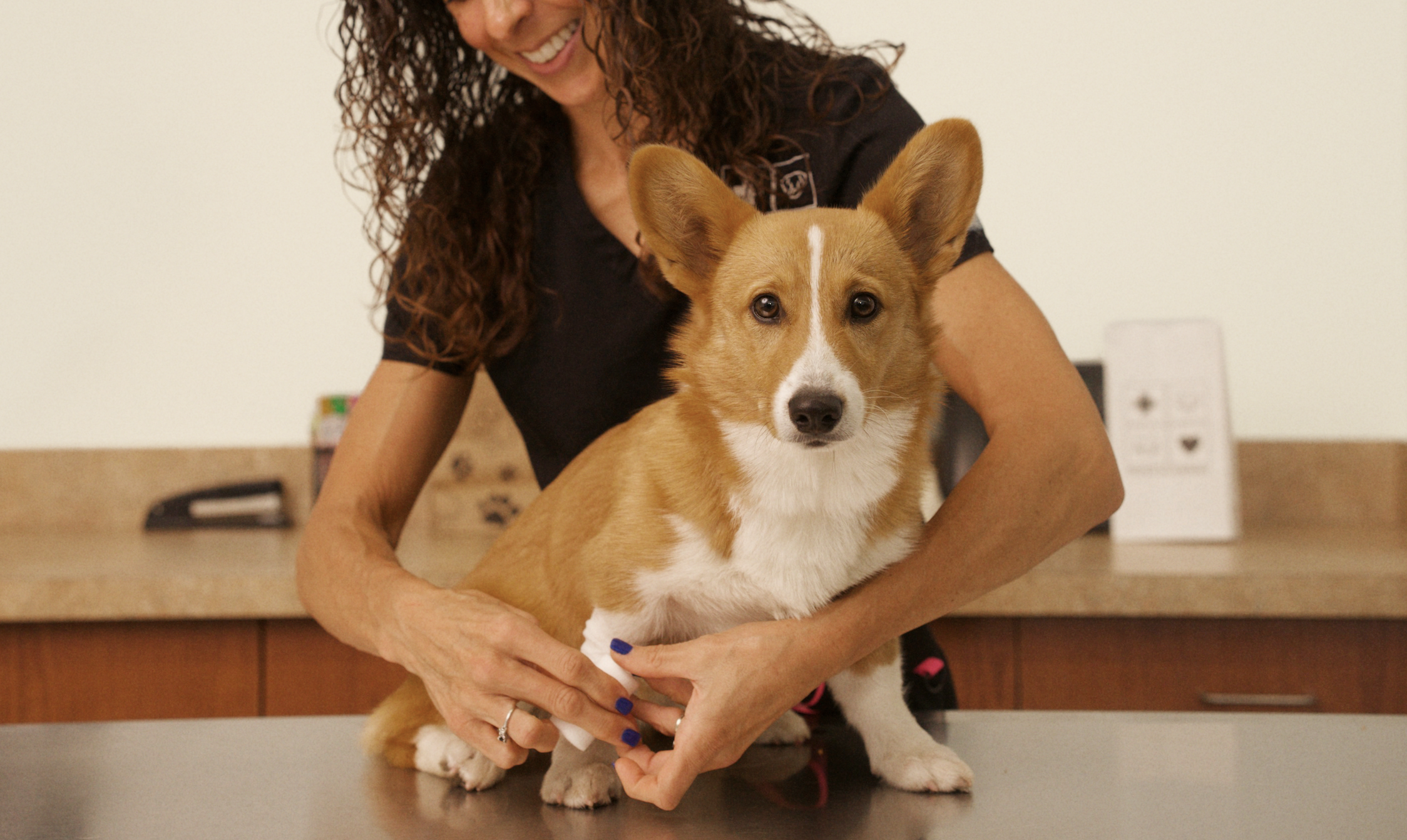
When To Bring Your Pet to the Emergency Room
If your pet is s showing signs of serious illness or injury, seeking emergency veterinary care quickly can make all the difference. Symptoms such as difficulty breathing, seizures, vomiting, trauma, toxin ingestion, collapse, or inability to urinate may require immediate medical attention. Our emergency veterinarians are available 24/7 to evaluate and treat pets experiencing urgent or life-threatening conditions throughout Connecticut.
Disease or Illness
- Difficulty breathing, with or without cough
- Labored breathing, excessive panting, choking, blue gums, or breathing distress should always be treated as a veterinary emergency. Respiratory issues in dogs and cats can become life-threatening quickly and require immediate evaluation by an emergency veterinarian.
- Stumbling or falling, dragging or not using legs, collapse
- Pets experiencing mobility loss or collapse require immediate emergency evaluation, as these symptoms can worsen quickly and may become permanent without prompt treatment.
- Sudden changes in behavior, such as bumping into things, acting disoriented, acting anxious, acting painful, or hiding
-
Sudden behavioral changes may be signs of serious illness, neurological disease, toxin exposure, or internal pain. If your dog or cat is acting abnormally or unlike themselves, it is important to have them evaluated by an emergency veterinarian as soon as possible.
-
- First time seizures, seizures lasting more than three minutes, multiple seizures in a short time
- Seizures, fainting, sudden weakness, inability to stand, or collapse are urgent medical concerns that require immediate veterinary attention. Neurological symptoms can indicate toxin exposure, heat stroke, internal illness, or other life-threatening conditions.
- Straining to urinate small amounts or not at all
- Straining to urinate, crying while urinating, or inability to pass urine can signal a dangerous urinary blockage, especially in male cats. This is a life-threatening emergency and should be treated immediately.
- Profuse or prolonged (>24hrs) vomiting and diarrhea, especially if containing blood
- Frequent vomiting, severe diarrhea, blood in vomit or stool, refusal to eat, or gastrointestinal symptoms lasting longer than 24 hours may indicate dehydration, poisoning, pancreatitis, intestinal obstruction, infection, or other serious medical conditions. Persistent digestive symptoms in dogs and cats should never be ignored and may require urgent emergency treatmen
- Non-productive vomiting/retching
- Repeated retching, unsuccessful attempts to vomit, bloating, drooling, or signs of distress may indicate gastric dilatation-volvulus (GDV), commonly known as bloat. This is a life-threatening emergency most commonly seen in large breed dogs and requires immediate surgical intervention. If your dog is attempting to vomit but nothing is coming up, seek emergency veterinary care immediately.
- Distended abdomen
- A swollen or distended abdomen may be caused by internal bleeding, bloat, fluid accumulation, organ enlargement, or other serious medical conditions. Pets with abdominal swelling may also appear restless, painful, weak, or have difficulty breathing. Because abdominal distension can rapidly become life-threatening, immediate veterinary evaluation is recommended.
- Severe skin reactions such as facial swelling, or surgical incisions that appear open
Trauma
- Bite wounds, wounds of unknown origin, chemical or thermal burns
-
Animal bites, puncture wounds, burns, or injuries of unknown origin should be evaluated by a veterinarian as soon as possible. Even small wounds can lead to serious infections, abscesses, internal tissue damage, or toxic exposure. Chemical burns, electrical burns, and thermal burns may continue to worsen beneath the skin and often require emergency treatment, pain management, and wound care.
-
- Eye injuries
- Eye injuries in dogs and cats should always be treated as urgent medical concerns. Squinting, swelling, redness, discharge, cloudiness, bleeding, or pawing at the eye may indicate trauma, corneal ulcers, foreign material, glaucoma, or infection. Prompt emergency veterinary care is important to relieve pain and help prevent permanent vision loss.
- Vehicular injuries
- Pets hit by cars or involved in vehicular accidents should be evaluated immediately by an emergency veterinarian, even if they appear stable. Internal bleeding, fractures, lung trauma, head injuries, and shock are not always immediately visible. Rapid assessment and treatment can be critical following any car-related injury.
- Falls from high places, blunt force trauma
- Falls, crush injuries, blunt force trauma, or impacts from accidents can cause serious internal injuries, broken bones, spinal trauma, or head injuries in dogs and cats. Symptoms may include limping, difficulty breathing, lethargy, pain, or collapse. Emergency veterinary evaluation is recommended anytime a pet experiences significant trauma or sudden physical injury.
- Hot car confinement, heatstroke
- Heatstroke is a life-threatening emergency that can develop rapidly in pets exposed to high temperatures, hot cars, excessive exercise, or poor ventilation. Signs of heatstroke may include excessive panting, drooling, vomiting, weakness, collapse, bright red gums, or seizures. Immediate emergency veterinary treatment is critical to prevent organ failure and death.
- Bleeding
- Uncontrolled bleeding, bleeding that does not stop within a few minutes, coughing up blood, blood in the urine or stool, or significant blood loss after an injury should always be treated as a veterinary emergency. Severe bleeding can quickly lead to shock and may indicate trauma, clotting disorders, poisoning, or internal injury requiring urgent medical attention.

Ingestion
- Foods such as chocolate, grapes/raisins, gum or baked goods with xylitol
- Many common household foods can be toxic to dogs and cats. Chocolate, grapes, raisins, onions, garlic, alcohol, caffeine, and products containing xylitol — including sugar-free gum, candy, peanut butter, and baked goods — can cause serious or life-threatening illness. Symptoms of food toxicity may include vomiting, diarrhea, tremors, seizures, weakness, or collapse. If your pet ingests a potentially toxic food, contact an emergency veterinarian immediately.
- Human medications, both prescription and over the counter
- Human medications are one of the most common causes of pet poisoning emergencies. Pain relievers such as ibuprofen or acetaminophen, antidepressants, ADHD medications, sleep aids, heart medications, and other prescription or over-the-counter drugs can be extremely dangerous to pets, even in small amounts. If your dog or cat accidentally ingests medication, seek emergency veterinary care as soon as possible.
- Plants such as lilies, wild mushrooms, or marijuana
- Certain plants and mushrooms can be highly toxic to pets. Lilies are especially dangerous to cats and can cause severe kidney failure, while wild mushrooms may lead to liver damage, neurological symptoms, or death. Marijuana and cannabis products — including edibles — can also cause toxicity in dogs and cats, leading to lethargy, disorientation, vomiting, tremors, or seizures. Any suspected plant or mushroom ingestion should be treated as an emergency.
- Household chemicals such as antifreeze, mouse or rat poison
- Household toxins including antifreeze, rodenticides, insecticides, cleaning supplies, fertilizers, batteries, and automotive chemicals can cause severe internal injury or poisoning in pets. Antifreeze is especially dangerous because even a small amount can cause fatal kidney failure. Symptoms of poisoning may include vomiting, drooling, tremors, bleeding, weakness, or seizures. Immediate emergency veterinary treatment is critical if toxin exposure is suspected.
- Non-digestible objects (socks and clothing, toys, rubber, rocks, ribbons and string, etc)
-
Dogs and cats may accidentally swallow foreign objects such as socks, underwear, toys, rubber items, rocks, bones, corn cobs, ribbons, or string. These objects can cause dangerous intestinal blockages, choking, or internal damage requiring emergency surgery. Symptoms of a gastrointestinal obstruction may include vomiting, loss of appetite, abdominal pain, lethargy, constipation, or repeated retching. Prompt veterinary evaluation is recommended anytime a foreign object ingestion is suspected.
-
If your pet has ingested a cleaning, health-care, or other product, bring the
product’s packaging or label with you to the emergency room.
Please feel free to contact us if you have questions or need guidance about your pet’s specific condition:
860-846-4727

The ASPCA Animal Poison Control Center is available 24/7 for you to call in case of emergency. In addition to helping with emergencies, the Poison Control experts can provide you with valuable information on how to recognize and protect your pet from poisonous and toxic substances. A consultation fee of $85 may apply.
What To Expect
Upon arrival, you will be greeted by a client service representative, and your pet will be evaluated by one of our triage technicians to determine if they are in stable condition or should be seen immediately by a veterinarian. We have staff members who can assist you with bringing your pet into the hospital if necessary.
Arrival and Triage
If we are concerned that your pet may be unstable, we will bring them into our treatment area to be examined by a doctor. If your pet appears stable, we will ask that they wait with you until a doctor is available to see them. A veterinary assistant will invite you to bring your pet into a room so they can be examined by a doctor as soon as possible.
Consultation
One of our veterinarians will perform a full physical exam of your pet, and will
speak with you to understand the conditions that led you to our emergency facility. A medical plan consisting of diagnostics and treatment options will be provided, including an estimate of cost.

Treatment
OUTPATIENT: Many pets are treated and able to return home the same day to continue care with their primary care veterinarian or at home.
INPATIENT: Some patients need to be hospitalized for ongoing diagnostics, monitoring, and care. You will be able to speak with a doctor and other support staff daily for updates on your pet while they stay with us. Depending on your pet’s condition, you may be able to have them transferred to your primary care veterinarian for continued care once they are available.
Your primary care veterinarian will be notified within a few hours of your pet being admitted to our hospital, and our doctors will send records and communicate throughout their time with us and provide them with treatment and follow-up information to continue your pet’s care once you leave our hospital.
We're Here 24/7 for Your Pet
Contact our ER team with any questions.
Find Your Nearest Pieper Veterinary
With several locations across Connecticut, expert care is close by.

Expert Emergency Care

Chelsea Churchill, DVM
Veterinarian - Primary Care/ER
Lead Doctor - Berlin Street

Olivia Biluck, BVetMed, MRCVS
Veterinarian - ER

Christopher Blanch, DVM
Veterinarian - ER

Stephanie Boisvert, DVM
Veterinarian - ER
Ashley M. Boucek, VMD
Veterinarian - ER

Genevieve Casse, DVM
Veterinarian - ER

Kahlia Gonzales, DVM
Veterinarian - ER

Melissa McDaniel, DVM, MPH
Veterinarian - ER

Danielle Money, DVM
Veterinarian - ER

Daniel Niemczyk, DVM
Veterinarian - ER

Rachel Roy, DVM
Veterinarian - ER

Andrew Scarano, DVM
Veterinarian - ER

Jessi Taylor, DVM
Veterinarian - ER

Jessica Urbonas, DVM
Veterinarian - ER
ER Department Head

David Vafek, VMD
Veterinarian - ER

Meagan Vail, DVM
Veterinarian - ER

Allison Wallace, DVM
Veterinarian - ER

Kathleen M. Kimball, DVM
Veterinarian - ER/Urgent Care
Lead Doctor - Pieper Madison

“Everyone, the front desk staff, vet techs, doctors, took the time we needed to help us understand what was happening and what steps would be taken. I tell anyone who will listen about Pieper, you're the best!”

“The staff was extremely compassionate, professional, and knowledgeable during a very difficult time… I had to drive over an hour to get to Pieper and I will tell you that I would drive that again to bring my animal here for top notch care.”

“Dr Urbonas was everything you hope a doctor would be in an urgent medical situation - professional and knowledgeable, kind and caring, confident and positive. With a reassuring "we got this" attitude.”
“Thanks to their expertise and unwavering care, our girl is back home, healing, and slowly returning to her joyful self. We are forever grateful.”
“Everyone is so kind and helpful! I love how down to earth the staff members are. I'm so grateful to have such a wonderful team working with me and my pets!”
“Pieper made my dog and I feel so welcome and taken care of the whole time we were there. 10/10, fantastic care.”
“The front desk staff celebrating with me when I shared the news that [my cat] was okay is something I will never forget. Every step of the process, I knew I could trust Pieper to deliver the best veterinary care and owner support.”
“The techs and veterinarians were incredibly kind and efficient. I have nothing but good things to say about this place and I am so grateful that they took care of our dog the way they did.”
“Every single member of the staff cared greatly about the pets that were there. Outstanding communication, both written and verbal, and did a wonderful job at managing expectations.”
“Dr. Carreras and her Pieper Oncology Team go above and beyond. The care, empathy, communication and overall professionalism they all provide is amazing.”
“Thanks to all who helped Gus thru his surgery and recovery, especially Dr Heather Mossman and everyone who attended to Gus during his stay. You set my family at ease knowing our sweet boy Gus was in the best of hands.”
“Pieper has the best veterinary staff that have ever treated my pets in all my experience as a pet owner.”
“We had a fantastic experience. The entire team took great care of Henry and kept us updated the entire time. He is doing great and we are so thankful!”
“The genuine care from every single staff member just blows my mind. I can't speak highly enough of every single person associated with Pieper. Thank you for all you have done for me and my Mochi.”
“My rabbit and I had a great appointment with the exotics department! It's a relief to have a specialist nearby that is knowledgeable, experienced, and comfortable with protocols to keep stress as low as possible.”
“Extraordinary service and care. I am a nurse. I pay attention to the details. Pieper has hit it out of the park”
“I feel like my baby is in the best hands when it comes to the care he's receiving. Dr. Hammond is hands down the best doctor I've encountered!”
“The staff at Pieper were very caring and professional. The Vets in Internal Medicine and Oncology were extremely knowledgeable and thorough. I would highly recommend them”