
Caring for Your Dog Ages 1–3: What to Expect as They Grow
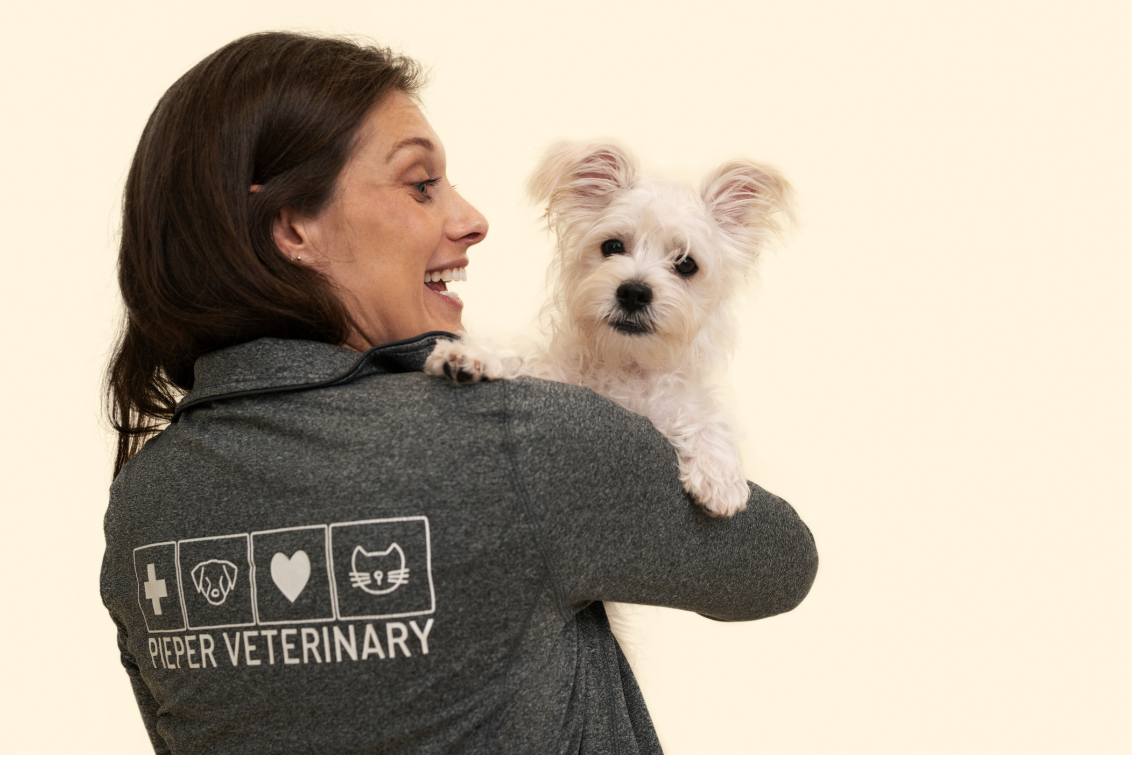
Dogs ages 1-3 are in their young adult phase, characterized by peak energy and physical development. This guide covers nutrition, exercise, common health issues, and veterinary care for young adult dogs. Understanding ages 1-3 helps you establish healthy habits that last a lifetime.
Understanding Your Dog’s Development (Ages 1–3)
Physical and Behavioral Development
Your dog combines peak athleticism with some lingering puppy behaviors. This life stage is when personality solidifies and the body reaches full strength.
- Energy levels: Dogs ages 1-3 are at their most active. Adult teeth are fully developed, though chewing instincts may persist.
- Critical metabolic change: Most dogs reach full adult size by age 2 (giant breeds by age 3). Metabolism begins slowing around age 2, meaning unchanged puppy portions now cause weight gain.
- The teenage rebellion phase: Around 18-24 months, many dogs test boundaries. Stay consistent; they’ll mature through this phase.
Common Health Concerns Ages 1-3
- Foreign body ingestion (peaks at this age; socks are #1)
- Weight gain from unchanged puppy portions
- Dental tartar begins accumulating
- Skin allergies often first appear
- Activity injuries from overenthusiastic play
Not sure if your dog is on track? Schedule to assess weight, dental health, and development.
Nutrition for Dogs Ages 1–3
How Much Should I Feed My 1–3 Year Old Dog?
Critical fact: An extra 5 pounds on a 50-pound dog shortens their life by up to 2 years.
Transition to adult food:
- Small/medium breeds: 12-15 months
- Giant breeds: 18-24 months
- Puppy food has too many calories for finished growth
Feeding guidelines:
- Measure portions with a measuring cup
- Feed twice daily, not free choice
- Studies show free-fed dogs are 2-3x more likely to become overweight
How to Tell if Your Dog is Overweight: The Rib Test
- Step 1: Run hands along your dog’s sides with light pressure
- Step 2: You should easily feel ribs without pressing hard
- Step 3: View from above you should see a visible waist
If no waist visible: Reduce portions by 10-15%, reassess in 2 weeks.
Dog Treat Guidelines:
Treats should be max 10% of daily calories. A handful of training treats can easily total 200+ calories which is an extra meal for a medium dog.
Foods to Avoid:
Grapes, raisins, onions, garlic, chocolate, xylitol (in some peanut butters). These are genuinely toxic.
Exercise Needs for Young Adult Dogs
How Much Exercise Does a 1-3 Year Old Dog Need?
Dogs ages 1-3 need 60-90 minutes of daily exercise. Consistency matters more than duration; 45 minutes daily beats 3 hours once weekly.
Types of Exercise
- Cardiovascular: Brisk walks, running, fetch, swimming, hiking
- Mental stimulation: Puzzle toys, training sessions (5-10 min, 2-3x daily), scent work, dog sports
What we often see: Owners skip exercise for a few days, and suddenly their dog destroys the house or develops separation anxiety. Exercise isn’t optional—it’s preventive medicine.
Why Annual Wellness Exams Matter
Annual exams catch problems early when they’re cheap to fix instead of expensive emergencies.
What we check:
- Dental disease (82% of dogs have it by age 3)
- Weight trends and body condition
- Heart, lungs, joints
- Skin and parasites
Preventive care basics:
- Monthly heartworm prevention (year-round)
- Monthly flea/tick prevention
- Dental brushing 3-7x weekly
Real talk: Skipping exams because “they seem fine” is how we diagnose stage 3 dental disease. Dogs hide illness incredibly well.
Last checkup over 12 months ago? Schedule with us today.
Common Health Issues (Ages 1-3)
Foreign Body Ingestion
- What happens: Surgeries peak at ages 1-3. Socks are #1, followed by underwear, toys, household items.
- Signs: Vomiting, loss of appetite, abdominal pain
- Prevention: Supervise play, keep items off the floor
Allergies
- Signs: Itchy skin, paw licking, chronic ear infections
- Action: We identify triggers through elimination diets or testing.
Ear Infections
- Risk factors: Floppy ears, swimming, allergies
- Prevention: Dry ears after water, clean weekly if prone
- Consequences: Untreated infections permanently damage ear canals.
Dental Disease
82% of dogs have periodontal disease by age 3.
- Health impact: Bacteria damage heart, liver, and kidneys. Doing nothing shortens lifespan.
- Prevention: Daily brushing, dental chews, professional cleanings
Last dental exam over a year ago? Schedule checkup.
Activity Injuries
Young dogs think they’re indestructible. Sprains and strains happen from high-impact activities on hard surfaces.
- Prevention: Warm up before exercise, use grass/sand for fetch, avoid repetitive jumping on concrete
Dog Health by Breed Size
- Small Breeds (<25 lbs): Dental disease progresses faster. Watch for luxating patellas (skipping steps).
- Medium Breeds (25-50 lbs): Easiest window to prevent obesity. Once weight accumulates, it’s exponentially harder to remove.
- Large Breeds (50-90 lbs): Hip/elbow dysplasia may appear. Prevent bloat: feed 2-3 small meals, avoid exercise after eating.
- Giant Breeds (90+ lbs): Still growing until age 2-3. Keep it lean, every extra pound stresses joints. Shorter lifespan (7-10 years) makes prevention critical.
Frequently Asked Questions
How often should a 1-3 year old dog see the vet?
Annual wellness exams minimum. Catches dental disease, weight trends, and issues before they’re serious.
How much should I feed my 1-3 year old dog?
Switch to adult food by 12-15 months (18-24 for giants). Measure portions, feed twice daily. Adjust based on body condition—feel ribs easily, see waist from above.
What are signs my dog is overweight?
Cannot easily feel ribs or see visible waist from above. Reduce portions by 10-15%.
How much exercise does a young adult dog need?
60-90 minutes daily. Consistency matters more than duration.
What are most common health problems ages 1-3?
Foreign body ingestion (socks), weight gain, dental disease (82% by age 3), allergies, activity injuries.
When should my dog transition to adult food?
Small/medium breeds: 12-15 months. Giant breeds: 18-24 months.
Do young dogs still need heartworm prevention?
Yes, year-round at all ages. Prevention is cheaper and safer than treatment.
When to Call Us
- Vomiting/diarrhea
- Limping
- Excessive scratching
- Appetite/water changes
- Lethargy
- New lumps
Not sure if it’s an emergency? Check our emergency guide.
Your Action Plan
✅ Schedule annual exam if >12 months
✅ Body condition check: Feel ribs? See waist?
✅ Start dental brushing 3-7x weekly
✅ Monthly heartworm + flea/tick prevention
✅ Commit to 60-90 min daily exercise
✅ Transition to adult food (12-15 months)
Ready to schedule? Book online or call us at 860-347-8387.
The Bottom Line
Dogs who maintain healthy weight, get regular exercise, receive dental care, and have annual checkups live 2-3 years longer. That’s 20-25% more time together.
The habits you establish now determine how they age at 8, 10, and 12.
Key takeaways:
- Adjust portions after age 2 (metabolism slows)
- Maintain 60-90 min daily exercise
- Start dental care immediately
- Schedule annual exams
- Prevent obesity now, it’s harder to reverse later
- Supervise to prevent foreign body ingestion
Invest in prevention now. Future you and your dog will be grateful.
Questions about caring for your young adult dog? Our team is here to help.