
What to Expect from Senior Dogs Ages 8+
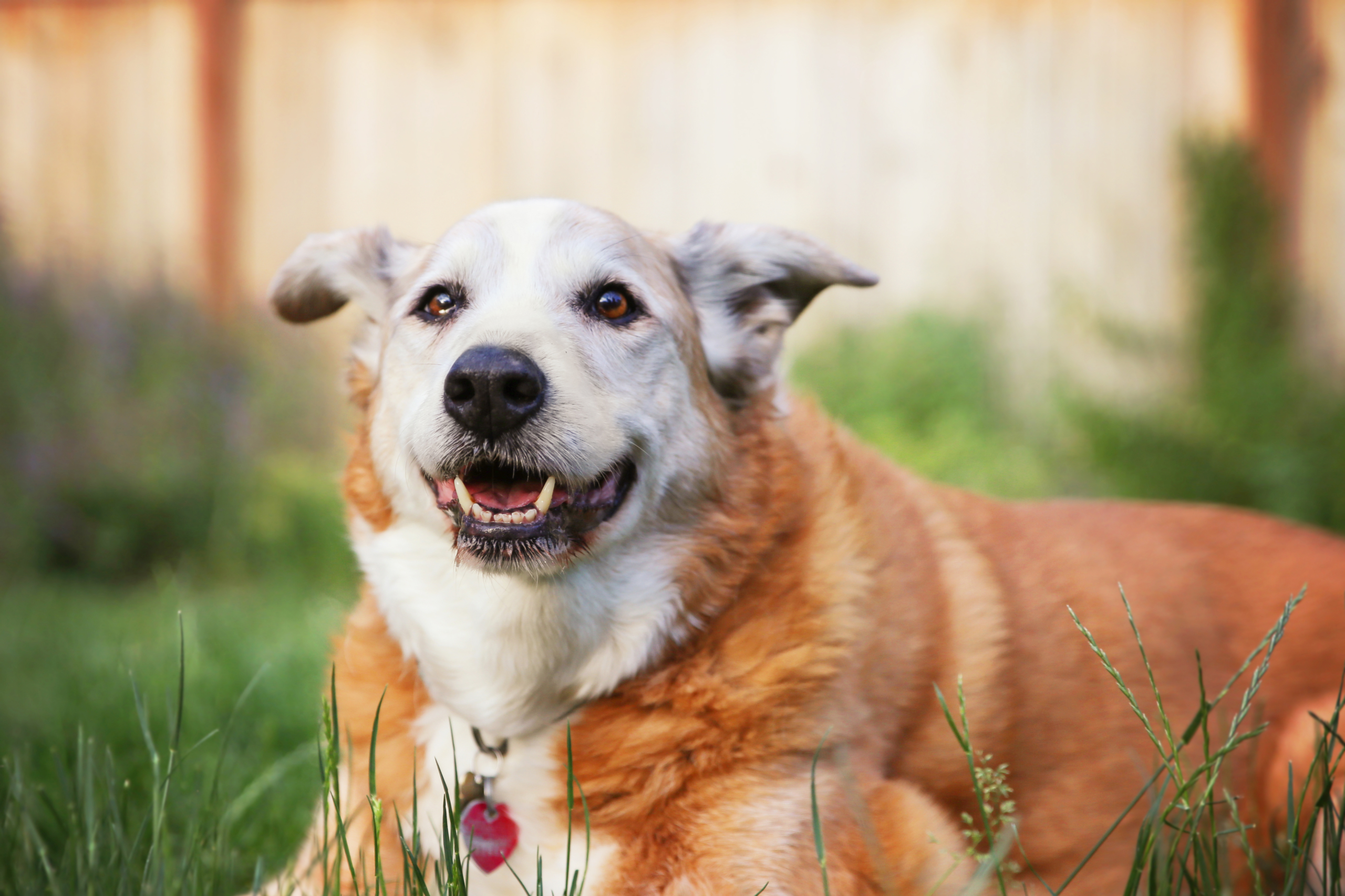
Senior dogs require specialized care as their bodies age. This comprehensive guide covers nutrition, common health problems, pain management, and quality of life assessment for dogs ages 8 and older.
When is a dog considered senior?
- Small breeds (<25 lbs): Senior at age 10+
- Medium breeds (25-50 lbs): Senior at age 8+
- Large breeds (50-90 lbs): Senior at age 7+
- Giant breeds (90+ lbs): Senior at age 5-6+
Physical and Behavioral Changes in Senior Dogs
Common age-related changes:
- Decreased energy levels and increased sleep
- Muscle mass decline without exercise
- Diminished senses (vision, hearing, smell)
- Slowed metabolism requiring fewer calories
- Gray muzzle and facial hair
- Disrupted sleep patterns
Behavioral changes:
- Less tolerance of young or energetic dogs
- Increased anxiety or clinginess
- House training accidents
- Confusion or disorientation (cognitive dysfunction)
Critical understanding: Many changes attributed to “just getting old” are actually treatable medical conditions. Stiffness, reluctance to play, decreased appetite, and confusion are signs to investigate, not accept.
Most Common Health Problems in Dogs Ages 8+
- Arthritis
- Chronic kidney disease
- Dental disease
- Heart disease
- Cancer
- Cognitive dysfunction
Concerned about changes in your senior dog? Schedule a senior wellness exam today.
Senior Dog Nutrition: Feeding Guidelines
How Much Should I Feed a Senior Dog?
Senior dogs need 20-30% fewer calories than younger dogs due to metabolic slowdown, but require higher quality protein to maintain muscle mass.
Senior-specific nutritional requirements:
- Easily digestible, high-quality animal protein
- Joint-supporting ingredients (glucosamine, chondroitin, omega-3 fatty acids)
- Antioxidants for cognitive function support
- Lower calorie density to prevent weight gain
Weight management is critical: Every extra pound increases arthritis pain, stresses the heart and lungs, and shortens lifespan.
Feeding Modifications for Aging Dogs
- Elevate food and water bowls to reduce neck/back strain
- Soften kibble with warm water if chewing is difficult
- Switch to canned food if dental disease makes chewing painful
- Provide fresh water in multiple accessible locations
- Split meals into 2-3 smaller portions if digestive issues present
Supplements for Senior Dogs
- Joint support: Glucosamine, chondroitin, omega-3 fatty acids
- Cognitive support: SAMe, medium-chain triglycerides (MCTs), antioxidants
- Digestive support: Probiotics, digestive enzymes
Always consult your veterinarian before starting supplements; the quality varies, and some interact with medications.
Need a personalized senior nutrition plan? Schedule a consultation with our team.
Exercise and Pain Management for Senior Dogs
How Much Exercise Does a Senior Dog Need?
Senior dogs need gentle exercise to maintain muscle mass, joint flexibility, mental stimulation, and quality of life.
Appropriate activities:
- Short, frequent walks (5-10 minutes, 2-3 times daily)
- Swimming or hydrotherapy (excellent low-impact option)
- Gentle stretching exercises
- Slow-paced sniff walks for mental enrichment
Signs to stop exercise: Excessive panting, reluctance to continue, limping, disorientation, extreme fatigue.
Pain Management for Senior Dogs
Critical principle: If your dog shows stiffness, reluctance to move, or pain signs, they need medication. Arthritis pain is not “just aging.
Signs of pain in dogs:
- Panting at rest
- Restlessness or inability to get comfortable
- Reluctance to move, jump, or use stairs
- Whimpering or vocalizing
- Aggression when touched
- Decreased appetite
Pain management options:
- NSAIDs (carprofen, meloxicam) with monitoring bloodwork
- Gabapentin for nerve pain
- Adequan injections for joint health
- Librela (monoclonal antibody for osteoarthritis)
- Physical therapy, laser therapy, or acupuncture
Is your senior dog stiff or reluctant to move? Let’s discuss pain management.
Senior Wellness Care: Why Twice-Yearly Exams Matter
Recommended Exam Frequency
Senior dogs should have wellness exams every 6 months. Dogs age 5-7 years for every human year at this stage. Waiting 12 months allows problems to progress significantly.
What Happens During Senior Wellness Exams
Physical examination:
- Heart and lung auscultation (murmurs, arrhythmias)
- Abdominal palpation (organ size, masses, pain)
- Joint and mobility assessment
- Body condition scoring and weight trends
- Skin, eyes, ears, dental assessment
- Cognitive function evaluation
- Recommended diagnostics every 6-12 months:
- Complete Blood Count (CBC): Anemia, infection, clotting function
- Chemistry Panel: Kidney function (BUN, creatinine, SDMA), liver function (ALT, ALP), blood sugar, electrolytes
- Additional testing: Urinalysis (kidney disease, diabetes), thyroid testing (hypothyroidism), blood pressure
Why frequent bloodwork matters: Kidney disease, liver changes, diabetes, and hormonal disorders often appear in bloodwork before symptoms develop. Early detection means easier and less expensive treatment.
Last senior exam over 6 months ago? Schedule now.
Common Health Problems in Senior Dogs
Arthritis and Degenerative Joint Disease
Signs of arthritis in dogs:
- Stiffness after rest, especially in morning
- Reluctance to jump into car or onto furniture
- Slowing down on walks
- Hesitation with stairs
- Limping or favoring a leg
- Decreased play behavior
- Irritability when touched
Arthritis and joint disease management:
- Weight management (most important factor)
- Prescription pain medications (NSAIDs, gabapentin)
- Joint supplements (glucosamine, chondroitin, omega-3s)
- Physical therapy and rehabilitation
- Low-impact exercise (swimming, controlled walks)
- Laser therapy or acupuncture
- Environmental modifications (ramps, orthopedic beds)
Pain management will dramatically improve your pet’s quality of life.
Chronic Kidney Disease in Dogs
Signs:
- Increased thirst/urination
- Weight loss
- Decreased appetite
- Vomiting
- Lethargy
Critical fact: Often no symptoms until significant kidney function is lost; early detection can slow progression and extend quality of life by years.
Management: Prescription renal diet, medications, subcutaneous fluids, regular monitoring
Heart Disease in Senior Dogs
Signs:
- Coughing (especially at night)
- Exercise intolerance
- Difficulty breathing
- Fainting
- Abdominal distension
Detection: Physical exam (heart murmur), chest X-rays, echocardiogram
Management: Medications (diuretics, ACE inhibitors, pimobendan), low-sodium diet, exercise restriction
Many dogs live comfortably for months to years with proper medication.
Cancer in Senior Dogs
Signs:
- Lumps/bumps
- Unexplained weight loss
- Decreased appetite
- Vomiting/diarrhea
- Difficulty breathing
- Lameness
Important facts: Not all lumps are cancer, and not all cancers are death sentences. Every new mass should be evaluated. Talk to your veterinarian as soon as possible and discuss whether a specialty consult is needed.
Treatment options: Surgery, chemotherapy, radiation, palliative care based on type and quality of life goals.
Cognitive Dysfunction Syndrome (Dog Dementia)
Signs (DISHA acronym):
- Disorientation: Staring at walls, getting stuck, not recognizing people
- Interactions changed: Less social, less responsive
- Sleep-wake disruption: Awake at night, pacing, vocalizing
- House soiling: Forgetting house training
- Activity changes: Aimless wandering, repetitive behaviors
Management:
- Environmental enrichment
- Medications (selegiline/Anipryl)
- Supplements (SAMe, omega-3s, MCTs)
- Routine and structure
- Night lights, white noise
Cancer is a progressive condition, but quality of life can be maintained with proper management.
Questions to Ask Your Veterinarian Care Team Regularly as Your Dog Gets Older
Physical comfort:
- Is my dog in pain? (panting, restlessness, reluctance to move, whimpering)
- Are they eating and drinking adequately?
- Can they get up and move around, even with assistance?
- Are bathroom accidents causing distress?
Mental and emotional well-being:
- Do they recognize me and seek interaction?
- Do they show interest in things they enjoyed?
- Are they anxious, fearful, or confused most of the time?
- Do they seem present and engaged?
Basic life functions:
- Can they breathe comfortably?
- Can they eat and drink without difficulty?
- Can they urinate and defecate?
- Can they stand, walk, or change position?
Use a quality-of-life scale: We provide numeric scales (0-10) to rate pain, hunger, hydration, hygiene, happiness, and mobility. Keep track of your scores over time and discuss with your care team.
Home Modifications for Senior Dog Comfort
- Flooring: Non-slip rugs on slippery floors, runners on hardwood/tile
- Bedding: Orthopedic memory foam beds in multiple locations, heated beds
- Accessibility: Ramps for furniture/car/stairs, raised food/water bowls
- Temperature control: Sweaters for cold weather, cooling mats for hot weather
Frequently Asked Questions About Senior Dogs
How often should a senior dog see the veterinarian?
Every 6 months minimum. Dogs age 5-7 years for every human year at this stage, so 6-month intervals allow early problem detection.
How much should I feed my senior dog?
Senior dogs need 20-30% fewer calories but require high-quality protein. Some gain weight (decreased activity); others lose weight (illness, muscle loss). Both require veterinary evaluation.
What are signs of pain in senior dogs?
Panting at rest, restlessness, reluctance to move or climb stairs, whimpering, aggression when touched, decreased appetite, hiding. Pain is treatable; never assume it’s normal aging.
Do senior dogs still need heartworm prevention?
Yes. Dogs of all ages need year-round heartworm prevention. Prevention is safer and less expensive than treatment.
Should I give my senior dog joint supplements?
Yes. Glucosamine, chondroitin, and omega-3 fatty acids are safe and may help manage arthritis. Most senior dogs benefit.
How much exercise does a senior dog need?
Depends on mobility. Even short 5-10 minute walks 2-3 times daily help maintain muscle mass and joint flexibility. Adjust based on tolerance.
What is the most important thing for senior dog health?
Weight management and pain control. Keep them at ideal body weight and ensure they’re comfortable.
When to Call Your Veterinarian
Emergency (call immediately):
- Difficulty breathing or blue/white gums
- Collapse or inability to stand
- Severe bleeding
- Seizures (especially if new)
- Distended/painful abdomen
- Straining to urinate with no urine
Urgent (within hours):
- Persistent vomiting or diarrhea
- Refusing food/water 24+ hours
- Sudden blindness
- Severe lethargy
- Rapidly worsening confusion
Discuss at next appointment:
- Gradual appetite decline
- Increased sleeping
- Worsening mobility
- Subtle behavioral changes
- Trust your instincts: You know your dog best. If something feels wrong, contact us.
Your Action Plan for Senior Dog Care
☐ Schedule wellness exams every 6 months
☐ Keep up with bloodwork and urinalysis twice yearly
☐ Ensure adequate pain management if arthritis present
☐ Make home modifications for safety and comfort
☐ Monitor quality of life weekly using a scale
☐ Keep daily journal (appetite, mobility, bathroom, behavior)
☐ Take photos and videos—capture these moments
☐ Spend quality time together—your presence matters most
Ready to schedule a senior wellness exam? Book online today.
The Bottom Line
You are doing enough. Providing comfort care for a senior dog is demanding. But every moment your dog spends comfortable, safe, and loved is because of you. That matters profoundly.
We’re honored to support you and your senior dog through this journey: medically, emotionally, and practically, every step of the way.