
Dog Swimming Safety Tips: Keeping Pets Safe Around Water This Summer
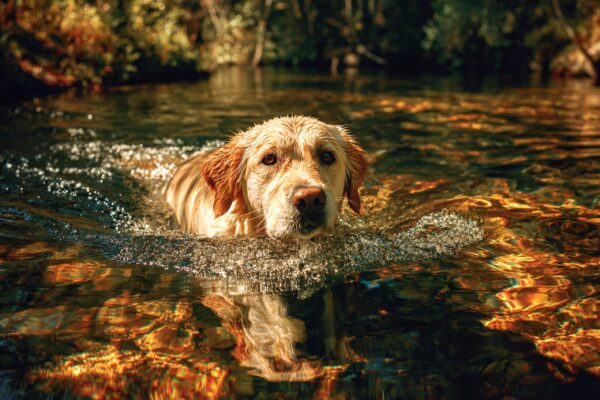
Summer is the perfect time for pool days, lake trips, and beach adventures. While many pets enjoy the water, even experienced swimmers can face unexpected dangers.
Currents, fatigue, accidental falls, and water inhalation can quickly turn a fun outing into an emergency.
At Pieper Veterinary, our Emergency teams see water-related emergencies every summer. Understanding common hazards and knowing when to seek veterinary care can help keep your pet safe.
In this guide, you’ll learn:
- Dog swimming safety tips
• Signs of near drowning and water aspiration
• What to do if your dog swallowed water while swimming
• Common water hazards for pets
• When to seek emergency veterinary care
If your pet is having difficulty breathing, coughing persistently after swimming, or seems unusually tired, seek veterinary care immediately.
Are Dogs Natural Swimmers?
Not always.
Some dogs love the water and swim naturally, while others may feel anxious, tire quickly, or struggle to stay afloat.
Even strong swimmers can become overwhelmed by:
- Fatigue
- Strong currents
- Rough waves
- Cold water
- Sudden drop-offs
Cats may also accidentally fall into pools, ponds, or lakes and can quickly become distressed.
Never assume your pet automatically knows how to swim safely.
How Do I Introduce My Dog to Swimming?
Start slowly and let your pet build confidence at their own pace.
Dog Swimming Safety Tips
- Begin in shallow, calm water
- Support your pet’s chest and abdomen
- Keep initial sessions brief
- Use positive reinforcement
- Allow your pet to exit the water whenever they choose
- Never force a fearful pet into the water
Creating positive experiences helps reduce fear and decreases the risk of panic.
Should My Dog Wear a Life Jacket?
In many situations, yes.
A properly fitted life vest adds an important layer of safety.
Life jackets are especially recommended for:
- Puppies
- Senior pets
- Flat-faced breeds such as Bulldogs and Pugs
- Pets with orthopedic or mobility concerns
- Pets new to swimming
- Boating, kayaking, and paddleboarding activities
- Swimming in lakes, rivers, or oceans
Choose a life jacket with:
- A secure fit
- Adjustable straps
- Bright coloring for visibility
- A sturdy top handle for lifting
Even excellent swimmers can become tired unexpectedly.
What Water Hazards Should Pet Owners Know About?
Strong Currents and Waves
Fast-moving rivers and rough surf can quickly overwhelm pets.
Always:
- Stay close to shore
- Check local conditions
- Avoid unfamiliar waters
- Keep pets within easy reach
Pools and Docks
Pets can accidentally fall into pools or become trapped.
To reduce risk:
- Never leave pets unsupervised
- Fence pools whenever possible
- Teach dogs where pool exits are located
- Avoid slippery docks and steep banks
Blue-Green Algae
Blue-green algae, also called cyanobacteria, can be extremely dangerous and potentially fatal if ingested.
Avoid water that:
- Appears discolored
- Has a film or scum on the surface
- Has a foul odor
If your pet may have been exposed, seek veterinary care immediately.
Fishing Equipment
Fishing gear presents several hazards:
- Hooks can become lodged in the mouth, throat, or paws
- Fishing line can cause entanglement and injury
- Bobbers can become choking hazards
Do not attempt to remove hooks or fishing line yourself.
Seek emergency veterinary care immediately.
What Happens If My Dog Swallowed Water While Swimming?
Many dogs swallow small amounts of water while swimming without developing complications.
However, consuming or inhaling excessive amounts of water can become dangerous.
Potential concerns include:
- Water aspiration into the lungs
- Respiratory distress
- Electrolyte imbalances
- Water intoxication in rare cases
Monitor your pet carefully after swimming.
What Are the Signs of Near Drowning in Dogs?
A near-drowning event occurs when a pet survives being submerged but may still develop serious complications afterward.
Dog near drowning symptoms may include:
- Persistent coughing
- Rapid breathing
- Labored breathing
- Weakness
- Excessive tiredness
- Pale or bluish gums
- Collapse
- Confusion
Symptoms may not always occur immediately.
Any pet showing breathing changes after a water incident should be evaluated by a veterinarian as soon as possible.
Can Dogs Develop Secondary Drowning?
Secondary drowning in dogs refers to delayed respiratory complications that can occur after water has been inhaled into the lungs.
Inflammation and fluid accumulation may develop over time.
Symptoms can include:
- Persistent coughing
- Increased respiratory effort
- Rapid breathing
- Lethargy
- Weakness
- Decreased appetite
Because symptoms may develop after the initial event, continued observation is important.
If your dog develops coughing, breathing difficulty, or unusual fatigue after swimming, seek emergency veterinary care immediately.
What Should I Do if My Dog Has a Water Emergency?
Seek veterinary care immediately if your pet:
- Inhaled water
- Has persistent coughing
- Is having difficulty breathing
- Appears unusually tired
- Collapsed
- Was submerged underwater
- Ingested blue-green algae
- Was injured by fishing equipment
- Develops vomiting or diarrhea after swimming
Water-related emergencies can worsen quickly, and prompt treatment may be lifesaving.
How Can I Keep My Pet Safe Around Water?
Simple precautions can make summer adventures much safer.
Supervise Constantly
Never leave pets unattended around pools, lakes, rivers, or beaches.
Use Life Jackets
Life jackets provide additional safety, particularly in deep or moving water.
Allow Frequent Breaks
Swimming is physically demanding and can lead to fatigue.
Provide Fresh Drinking Water
Having fresh water available reduces the likelihood of drinking excessive amounts of pool, lake, or ocean water.
Rinse After Swimming
Rinse your pet with clean water after swimming to remove:
- Chlorine
- Salt
- Algae
- Sand and debris
Know Your Emergency Plan
Save the location and phone number of your nearest emergency veterinary hospital before heading out for summer adventures.
Enjoy Safe Water Adventures This Summer
Swimming and water activities can be wonderful enrichment for pets when proper precautions are taken.
Preparation, supervision, and recognizing the signs of an emergency can help keep your pet safe around pools, lakes, rivers, and beaches.
At Pieper Veterinary, our Emergency teams are here when unexpected situations arise.
If your pet is coughing after swimming, appears fatigued, or is showing signs of a water-related emergency, contact Pieper Veterinary or visit one of Connecticut’s emergency locations immediately.