
Is It Too Hot to Walk Your Dog? How to Prevent Paw Pad Burns This Summer
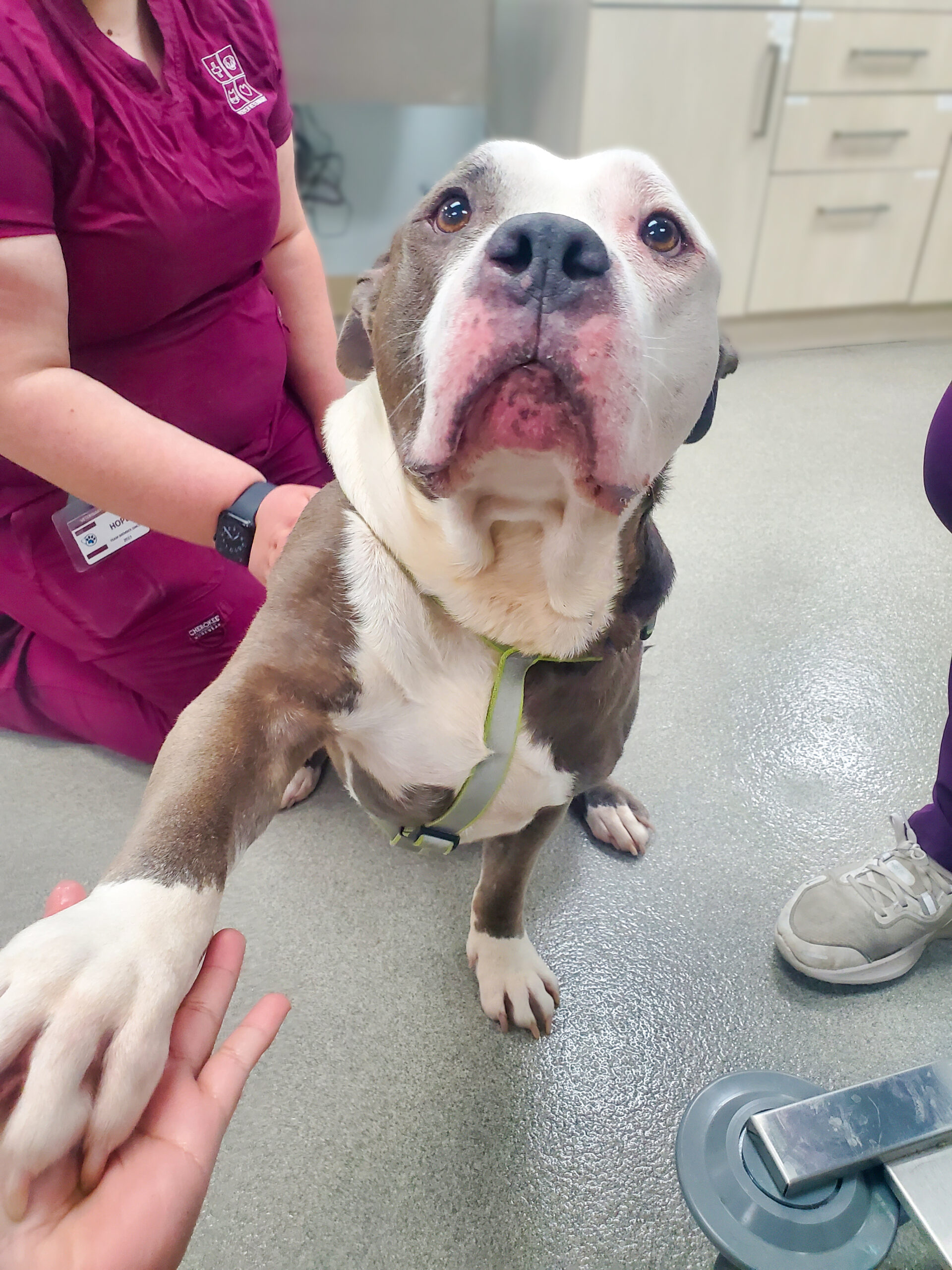
We’ve all stepped onto hot pavement or sand and immediately wanted shoes. Your pet experiences that same discomfort.
Although paw pads are durable, they are not heatproof. During the summer, hot pavement, asphalt, sand, and metal surfaces can quickly become hot enough to cause painful burns.
At Pieper Veterinary, our teams see heat-related injuries every summer, including painful paw pad burns that can make it difficult for pets to walk and may require veterinary treatment.
In this guide, we’ll cover:
- How hot pavement affects your dog’s paws
- Signs of paw pad burns
- How to tell if it’s too hot to walk your dog
- First aid for burned paws
- Ways to prevent paw injuries and overheating
Think your pet may have burned their paws? Contact Pieper Veterinary or have your pet evaluated by a veterinarian as soon as possible.
Can Hot Pavement Burn a Dog’s Paws?
Yes.
Paw pads may be tough, but they’re made of living tissue and can be damaged by extreme temperatures.
On sunny days, asphalt and concrete can become significantly hotter than the surrounding air. On a 90°F day, pavement temperatures can exceed 130°F, which can cause burns in a matter of seconds.
Other surfaces that can become dangerously hot include:
- Sand
- Artificial turf
- Metal truck beds
- Decking and patios
- Sun-exposed car seats
- Blacktop parking lots
Because pets cannot tell us when the ground is hurting them, it’s important to recognize when surfaces may be unsafe.
Is It Too Hot to Walk My Dog?
A good rule of thumb is the “10-Second Test.”
Place the back of your hand on the pavement for 10 seconds.
If it’s uncomfortable for you, it’s too hot for your pet.
During very hot weather, it’s safest to:
- Walk early in the morning
- Wait until later in the evening
- Choose shaded or grassy routes
- Limit time on pavement and asphalt
When temperatures are high, changing your walk schedule can help prevent painful burns and reduce the risk of heatstroke.
What Are the Signs the Ground Is Too Hot for My Dog?
Some dogs continue walking despite discomfort because they want to stay with their owners.
Watch for signs such as:
- Rapidly lifting or “dancing” paws
- Pulling toward grass or shade
- Hesitating to walk
- Frequently stopping
- Refusing to continue walking
- Licking their paws during or after walks
These behaviors may indicate that the surface is too hot.
What Are the Signs of Paw Pad Burns?
Dog paw burns signs may include:
- Red or darkened paw pads
- Blisters
- White or discolored areas
- Limping
- Reluctance to walk
- Excessive licking or chewing at the feet
- Missing pieces of paw pad tissue
- Sensitivity when the paws are touched
Even mild burns can be painful and may become infected if left untreated.
If you notice any of these signs, contact your veterinarian for guidance.
How Do I Know if My Dog Has Burned Paws?
You may notice symptoms shortly after a walk or outdoor activity.
Your dog may:
- Walk differently
- Refuse to stand
- Hold up a paw
- Lick their feet excessively
- Appear painful when walking on hard surfaces
Checking the paw pads for redness, blistering, or peeling can help determine whether a burn has occurred.
How Can I Prevent Paw Pad Burns and Overheating?
A few simple precautions can make summer much safer.
Walk During Cooler Parts of the Day
Early morning and evening walks help limit heat exposure.
Choose Grass and Shaded Areas
Grass typically remains much cooler than pavement and asphalt.
Keep Pets Indoors During Extreme Heat
Air conditioning and fans can help keep pets comfortable and reduce the risk of heat-related illness.
Provide Plenty of Fresh Water
Hydration supports normal body temperature regulation.
Never Leave Pets in Cars
Vehicle temperatures rise rapidly, even with windows cracked.
Cool Vehicle Surfaces Before Letting Pets Inside
Truck beds, seats, and cargo areas can become hot enough to cause burns.
Consider Protective Booties
Dog booties may help protect paws during hikes or situations where hot surfaces cannot be avoided.
What Should I Do if My Dog Burned Their Paws?
Immediate first aid may help reduce pain and minimize further injury.
Burned Dog Paw Treatment: First Aid Steps
- Move your pet to a cool area.
- Rinse the paws with cool—not ice-cold—water.
- Avoid applying human creams or medications unless directed by your veterinarian.
- Restrict activity and keep the paws clean.
- If there is an open wound, temporarily cover the foot with a clean sock when going outside.
- Contact your veterinarian for an examination and treatment recommendations.
Severe burns, open wounds, or signs of infection should always be evaluated by a veterinarian.
When Should I Seek Veterinary Care for Paw Pad Burns?
Seek veterinary care if your pet:
- Is limping
- Refuses to walk
- Has blistering or peeling paw pads
- Has open wounds
- Is excessively licking their paws
- Appears painful
- Is showing signs of overheating or heatstroke
Prompt treatment can help relieve pain, prevent infection, and support proper healing.
Summer Pet Safety in Connecticut
At Pieper Veterinary, we’re committed to helping pets stay safe during Connecticut’s hottest months.
Paw pad burns are painful, but they’re also largely preventable with a few simple precautions and an awareness of surface temperatures.
If you’re concerned your pet may have burned their paws or is showing signs of heat-related illness, our team is here to help.
Need advice or concerned about your pet’s paws? Contact Pieper Veterinary to speak with our team or seek veterinary care if your pet is showing signs of injury or distress.