
Is Your Dog Showing Neurological Signs? Here’s What to Watch For.
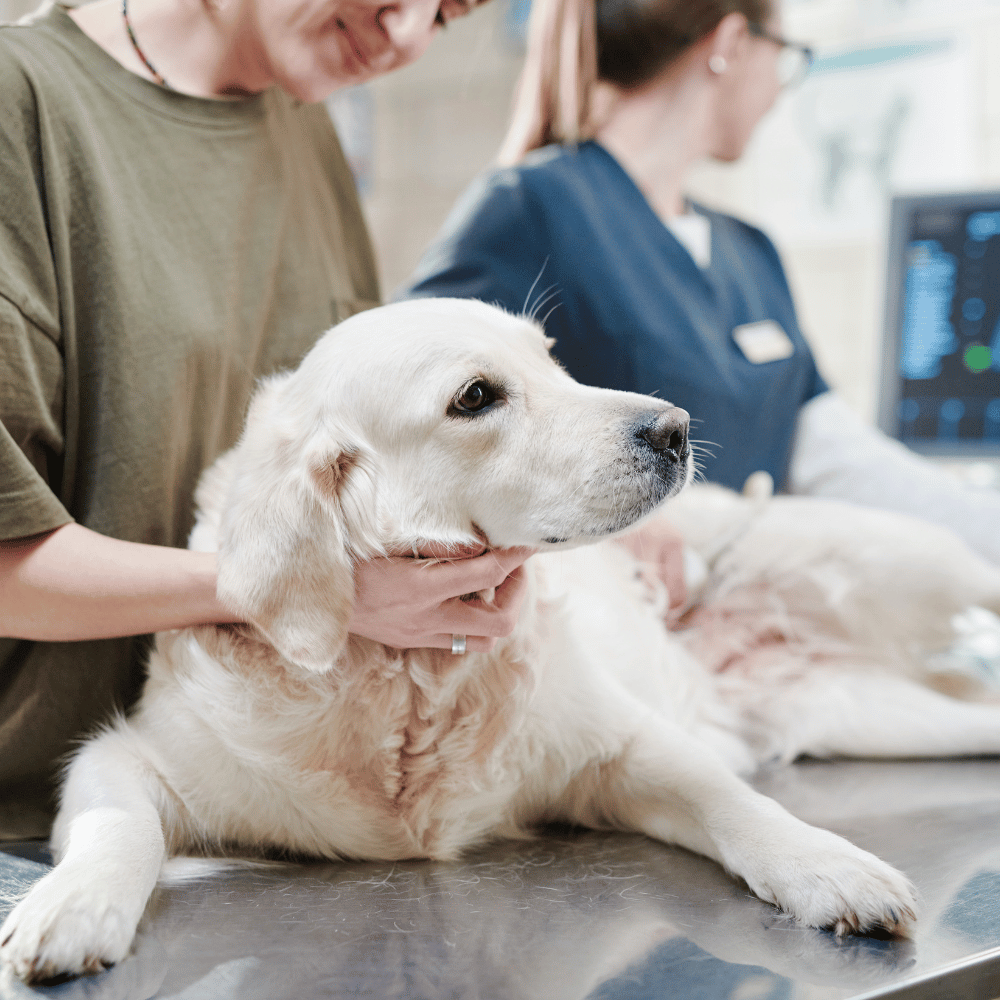
When a dog starts acting “off,” it can be easy to chalk it up to age, injury, or even personality. But some subtle changes in behavior or movement could actually point to an issue with the nervous system. Neurological signs in dogs can range from mild to severe – and early diagnosis is critical for the best outcome.
At Pieper Veterinary, our Neurology & Neurosurgery team uses advanced diagnostics like MRI to get to the root of these complex issues. If you’ve noticed something unusual in your dog, here’s what you need to know.
Common Neurological Signs in Dogs
Dogs can’t tell us when something feels wrong—but they often show us. Neurological problems may affect the brain, spinal cord, or nerves, leading to a wide variety of signs, including:
- Wobbliness or unsteady walking (Ataxia)
Your dog may look drunk, sway side to side, or have difficulty maintaining balance—especially on slippery surfaces or stairs.
- Sudden weakness or collapse
If your dog suddenly can’t stand, seems weak in the limbs, or collapses without warning, it could be a spinal or neuromuscular issue.
- Seizures or twitching
Any abnormal shaking, muscle tremors, or full-body seizures should be evaluated by a vet immediately. Do your best to get a video of your dog’s behavior at home – its very unlikely they’ll repeat it in front of the doctor.
- Head tilt or circling
These signs may point to vestibular(balance) dysfunction or a brain lesion and often worsen without treatment.
- Neck or back pain
Dogs with spinal problems may cry out when touched, resist movement, or walk with a hunched back.
- Paralysis or dragging limbs
Partial or full paralysis (especially in the back legs) can be caused by intervertebral disc disease (IVDD), spinal cord injury, or infections.
- Changes in behavior or awareness
Confusion, aggression, staring off into space, or not recognizing family members may indicate a neurological event.
- Loss of bladder or bowel control
Incontinence, especially when paired with mobility changes, may signal spinal compression or nerve dysfunction.
Call us at (860) 431-3025 to Schedule an Appointment.
When to See a Veterinary Neurologist
Your primary veterinarian is the best place to start – but for more advanced signs or unclear diagnoses, a referral to a veterinary neurologist can be life-changing.
At Pieper Memorial, our Neurology & Neurosurgery team offers:
- Expert neurological exams
Our specialists perform comprehensive neuro exams to pinpoint where the problem lies within the nervous system.
- MRI imaging for advanced diagnosis
MRI is the gold standard for evaluating brain and spinal conditions in dogs. It’s safe, non-invasive, and incredibly detailed.
- Treatment for complex conditions
From seizures and brain tumors to disc herniations, vertebral fractures and meningitis, our team has experience with the most challenging cases.
- Surgical and non-surgical care
Whether your pet needs surgery or long-term medication management, we work with you to find the best solution.
Want to take the next step? Learn more about our neurology services.
Don’t Wait—Early Action Matters
Neurological issues can progress quickly. The sooner you seek care, the better the chances of recovery. If your dog is showing any of the signs listed above, talk to your vet or ask about a referral to our Neurology & Neurosurgery department.
At Pieper Veterinary, we’re proud to offer compassionate, expert care when it matters most. If your dog needs advanced diagnostics or neurological support, our team is here to help.