
Rabies Vaccines for Indoor Cats: Why Every Cat Needs Protection
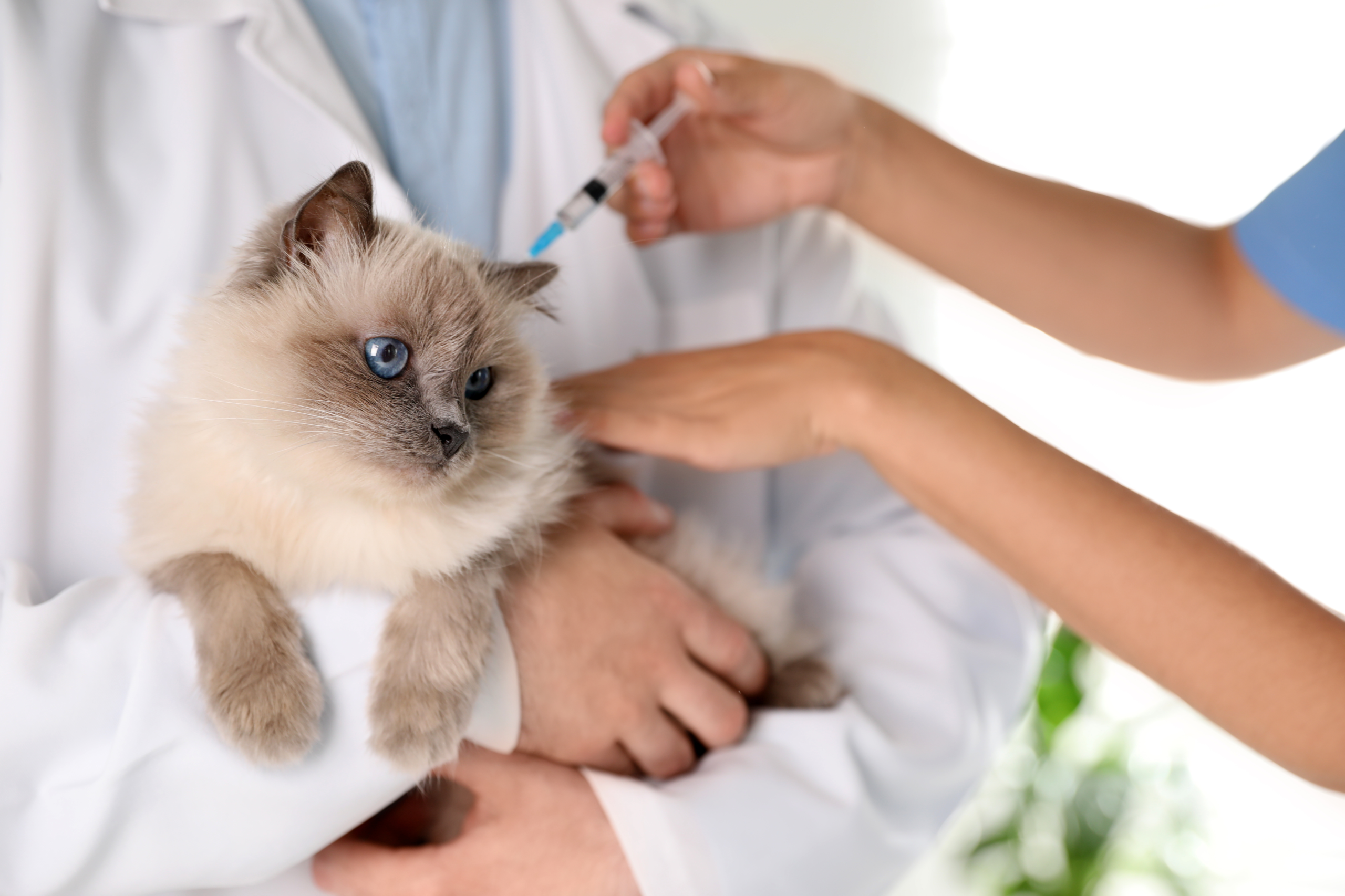
You might think your indoor cat is safe from rabies. After all, they never set a paw outside, so how could they possibly be exposed? But the reality is very different. Rabies doesn’t need your cat to go outside; sometimes, it finds a way inside your home. A single encounter with a bat, raccoon, or other wild animal that slips in through a chimney, attic vent, or open window could be enough to put your cat — and your family — at risk.
That’s why cat vaccinations are so critical, even for pets who live strictly indoors. A routine rabies vaccination for cats provides a layer of protection against one of the deadliest diseases in the world. It’s not just about complying with the law, it’s about safeguarding your cat’s health and ensuring your household stays safe if an unexpected exposure ever occurs.
How Rabies Can Sneak into Your Home
Many cat owners assume rabies is a danger only for outdoor pets. After all, how could an indoor cat possibly cross paths with a wild animal? But rabies doesn’t need your cat to go outside, sometimes, it comes inside to find them.
Rabies is carried by mammals such as bats, raccoons, skunks, and foxes. And while you’d notice a raccoon rummaging through your kitchen, a bat can slip quietly inside through an attic vent, chimney, or loose screen. Small wild animals often find their way into basements, garages, or crawl spaces without you realizing it.
Cats, being natural hunters, may investigate these intruders before you do. The problem is, it takes only a tiny bite or scratch to transmit rabies, and these wounds are often so small they’re easy to miss under fur. You may never see the injury, or the animal that caused it.
This is why cat vaccinations are so critical, even for indoor-only pets. A routine rabies vaccination for cats provides a powerful layer of protection against these rare but high-risk encounters.
Why Rabies is So Dangerous
Rabies isn’t just serious, it’s almost uniquely terrifying. It is 100% fatal once symptoms appear in both animals and humans. There is no cure, and no treatment once the disease takes hold.
For people, the first signs — fever, headache, and weakness — can mimic something as simple as the flu. But once neurological symptoms such as disorientation, paralysis, seizures, or hydrophobia (fear of water) develop, it’s too late for medical intervention.
Cats face the same fate. Once a cat begins showing signs of rabies (changes in behavior, drooling, aggression, or paralysis) there is no recovery. The disease always progresses to death.
Because rabies is zoonotic (spread between animals and humans), protecting your cat with up-to-date cat vaccinations also protects you and your family. It’s one of the few preventive measures in veterinary care that safeguards both pets and people.
Right now, Pieper Veterinary Hospitals is offering a free first wellness exam for indoor cats. Book by September 30 and enter to win a LitterBot.
The Stakes for Your Cat — and Your Family
What happens if your cat is exposed to a rabid animal? The answer depends on whether or not they’re vaccinated.
If your Cat is Unvaccinated
The law typically requires strict quarantine that can last several months — or euthanasia, even if your cat seems healthy. Authorities cannot take risks with rabies, because the disease is so deadly and difficult to detect in its early stages.
If your Cat is Vaccinated
The outcome is far less severe. In most cases, your veterinarian will administer a booster shot and your cat will undergo a short observation period to confirm their health.
In other words, keeping your cat’s rabies vaccination up to date could be the difference between a simple follow-up appointment and heartbreaking consequences.
For your family, the stakes are just as high. If an unvaccinated cat contracts rabies and bites a human, that person must undergo a series of painful, expensive post-exposure shots immediately. Vaccination removes that risk, offering protection and peace of mind for every member of your household.
Indoor Cats Are Not Exempt
One of the most common myths veterinarians hear is: “My cat never goes outside, so they don’t need vaccines.” But the truth is, indoor cats are not exempt from rabies risk.
The rare but real encounters, a bat in the attic, a squirrel in the basement, or a raccoon in the garage, are exactly why rabies vaccination for cats is required by law for all cats, regardless of lifestyle. Even if your cat never sets a paw outside, there’s still a chance wildlife could make its way in.
And it’s not just about rabies exposure. Annual cat vaccinations are a cornerstone of preventive care, helping protect against other common diseases that can spread easily between animals. Some viruses, such as feline distemper, can even be carried inside on shoes, clothing, or through open windows.
By staying current with vaccines, you’re giving your indoor cat the same level of protection as their outdoor counterparts, without taking chances.
Why Vaccination is Part of Preventive Care
A cat wellness exam is more than just shots, but vaccinations are an essential piece of the puzzle. At a routine appointment, your veterinarian will:
-
Review your cat’s vaccination history and update any overdue doses.
-
Perform a full physical exam to check for lumps, weight changes, or other subtle health concerns.
-
Ask about your cat’s lifestyle, diet, and habits to provide tailored recommendations.
-
Discuss other preventive care such as dental cleanings, parasite protection, and bloodwork as your cat ages.
Vaccinations fit into this bigger picture of keeping your cat healthy for the long term. Protecting against rabies is just one part of ensuring your pet has many safe, happy years ahead.
Protect Your Cat. Protect Your Family.
A simple vaccine could save your cat’s life, and yours. If your cat’s rabies vaccine is overdue, or if you’re unsure when they last received it, don’t wait until an emergency. Schedule a cat vet checkup now to confirm their protection is current.
Right now, Pieper Veterinary Hospitals are offering a free first wellness exam for cats who haven’t been in for a while. Book your appointment before September 30, and we’ll ensure your cat’s rabies vaccination is up to date (plus, you’ll be entered to win a LitterBot automatic litter box!)
Your indoor cat may never encounter a bat or raccoon — but if they do, you’ll be glad you planned ahead. Don’t take the risk. Protect your pet, protect your family, and enjoy peace of mind knowing your cat is safe.