New at Pieper: Fluoroscopy

Pieper is proud to announce that we’ve been able to expand our Diagnostic Imaging department to include a new tool: Fluoroscopy. Using a piece of equipment called a C-Arm, we’re able to take a continuous, real-time “movie” made of X-ray images. These are very useful for guiding and increasing precision in orthopedic surgeries, neurosurgery, interventional procedures, and contrast studies (which is shown here).

In this video, we can see a contrast study of a dog swallowing. We’re excited to utilize this technology to help provide our patients with the best care possible!

Five-Question Friday: Rabies

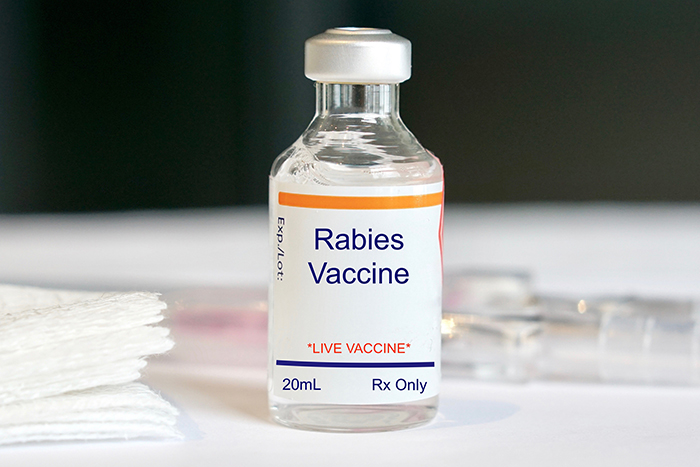
Police in Groton, CT announced recently that a family dog in the area tested positive for rabies. Rabies has become rare in the US thanks to the rabies vaccine and public awareness, but this deadly disease is responsible for almost 60,000 human deaths worldwide every year.

Dr. Benjamin March, one of Pieper’s primary care veterinarians, answered some questions for us about the dangers of rabies, and how we can help protect both our pets and our human families.

How Can My Pet Contract Rabies, and What Dangers Does It Present?

Rabies is caused by a virus that can be transmitted through saliva via a wound (ex: bite, scratch) or via mucous membranes (ex: mouth, nose, eyes). It is typically transmitted through a bite or contact with an affected animal, though infection through inhalation of aerosolized virus may occur when exposed to bats, and infection can occur rarely after ingestion of an infected animal.

Rabies can spread from animals to people. There is no established cure or treatment for rabies in people or animals, and it is considered to be 100% fatal in those that contract it.

Why Is the Rabies Vaccine Mandatory by State Law?

Rabies vaccinations in pet dogs and cats are a very important mechanism to protect people from potential exposure. Because dogs and cats are more likely to interact with infected animals (either outside or any that may enter the home), they can potentially be exposed to rabies and then subsequently expose a person.

In cases when a pet develops rabies, there is no treatment and the disease is always fatal. There are almost no other diseases – not even plague or Ebola – that carry this fatality rate.

Vaccination is a very easy, inexpensive means of protecting your pets from this universally fatal disease that, until relatively recently, was very common in the United States.

Do I Still Need to Vaccinate My Indoor-Only Pets Against Rabies?

Yes. Indoor-only pets can still be exposed to bats, rodents, and other animals that may make their way into the house. Also, pets do escape houses.

Are There Any Negative Side Effects From the Rabies Vaccine?

Vaccine side effects are very rare. The most common side effect, an allergic reaction, is easily treated with medications. Very rarely, anything that stimulates the immune system (such as a vaccine) can be associated with autoimmune disease. Tumors at injection sites do occur extremely rarely in a small subset of cats (1 in 10,000). To put it in perspective, the odds of being struck by lightning in your lifetime are estimated at about 1 in 3,000. In cats predisposed to injection site tumors, they can occur with any injection (ex: fluids, insulin), and are not specifically related just to vaccinations.

I’m Not Sure If My Pet Has a Current Rabies Vaccination — What Should I Do?

Call your veterinarian and ask if your pet’s rabies vaccine is current. If not, we would recommend scheduling an appointment to get your pet updated as soon as possible.

Dr. Benjamin March has been with Pieper Veterinary since 2014. He graduated magna cum laude from the University of Connecticut, majoring in Animal Science and Pathobiology and minoring in Molecular and Cell Biology.  Dr. March obtained his veterinary degree at Cornell University. While at Cornell, Dr. March was the recipient of the Frank Bloom Pathology Award, the Veterinary Cancer Society Award for Proficiency in Clinical Oncology, the Westminster Kennel Foundation Scholarship, and the Tracy French Clinical Pathology Award.

Hill’s Pet Food Recall Expanded

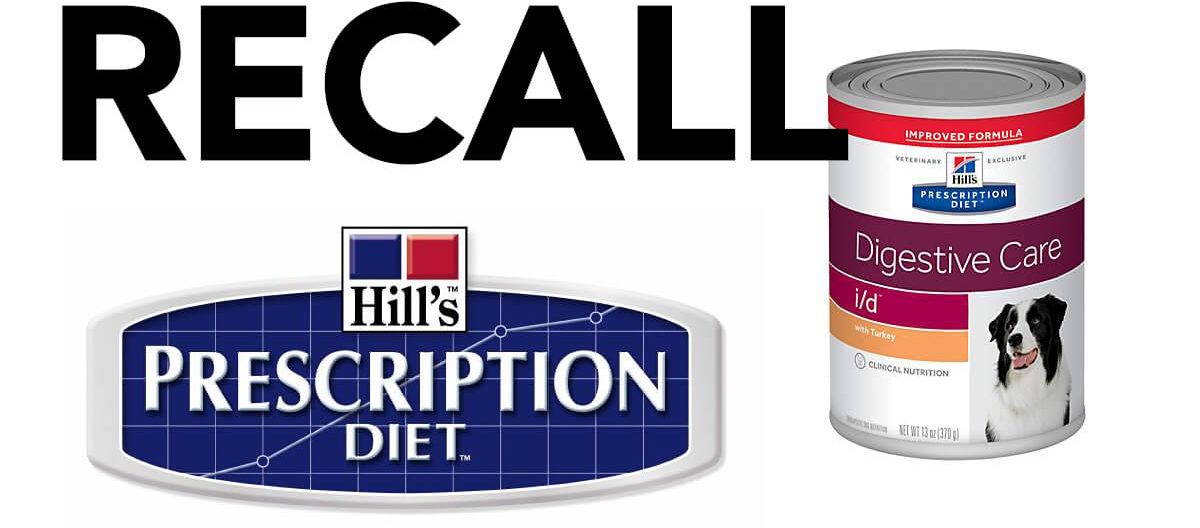
Hill’s (Science Diet) has updated their January food recall, which included several varieties of canned food found to have high levels of vitamin D. To see the updated list of all affected foods, please review https://www.hillspet.com/productlist .

Due to multiple recalls over a short period, Pieper Veterinary has elected to temporarily remove Hill’s canine canned diets from inventory until additional information from Hill’s is available. We recommend discussing options with your veterinarian. To continue feeding a Hill’s canned canine diet, please purchase from https://pieperolson.vetsfirstchoice.com/ or another online vendor during this time period. If you would like to transition to a comparable diet, please contact your veterinarian to discuss alternative options. Please remember, all diet changes should be gradual to reduce the risk of causing gastrointestinal upset.

We checked in with Dr. Nunez, a veterinarian and one of the owners of Pieper Veterinary, to find out more information about how we can help our pets during this recall.

What Are the Signs of Vitamin D Toxicity?

Some of the signs include lethargy, decreased or lack of appetite, vomiting, diarrhea, increased water drinking and/or urination, nausea/drooling, weight loss, or occasionally joint issues

What Should I Do If I Think My Dog Is Sick?

If you think your dog may be exhibiting these signs, please call your veterinarian to discuss your concerns and/or schedule an office visit so your veterinarian can do a physical exam and assess your pet’s condition. In any case, we recommend to discontinue feeding the recalled diet immediately. If your veterinarian suspects that your dog is exhibiting signs of Vitamin D toxicity, lab test screening will be performed to investigate this possibility and/or rule out other potential contributing diseases.

Is Vitamin D Toxicity Treatable?

In some cases, discontinuation of the diet and close observation may be the only recommendation.  In other cases, specific treatment intervention with hospitalization will be necessary. In most cases, full recovery is expected after discontinuation of feeding.  In cases of any pets consuming the recalled food, Hills will pay for diagnostic screening and reimburse pet parents for medical treatment for any affected pets.

My Dog Eats a Prescription Diet That Is Being Recalled — What Can I Feed Instead?

If your pet eats a prescription diet that is being recalled, please ask your veterinarian what alternate prescription diet is recommended based on your pet’s individual medical condition.  Purina and Royal Canin are two pet diet companies that offer comparable prescription diets.

I Purchased Food From Pieper That Has Been Recalled — How Do I Return It?

If purchased at Pieper Veterinary, please return all recalled canned food diets to us for reimbursement. If purchased at our online pharmacy Vet First Choice, please contact Vet First Choice directly for reimbursement: support@vetsfirstchoice.com

Where Can I Find More Information?

For an updated list of recalled products please go to www.hillsvet.com . Additional information is also available at https://www.fda.gov/Safety/Recalls/ucm634087.htm.

To contact Hills consumer affairs directly, please email contactus@hillspet.com or telephone 1-800-445-5777 available 7 days a week.

Dry food, cat food, and treats have not been affected by this recall.

Virginia Nunez, DVM, obtained her DVM from Purdue School of Veterinary Medicine in 1981. She is a member of the AVMA, CVMA, VMG-VSG, serves on the Middlesex Community College Veterinary Technology Program Advisory Board, and the Middlesex Community College Veterinary Technology Institutional Animal Care and Use Committee.