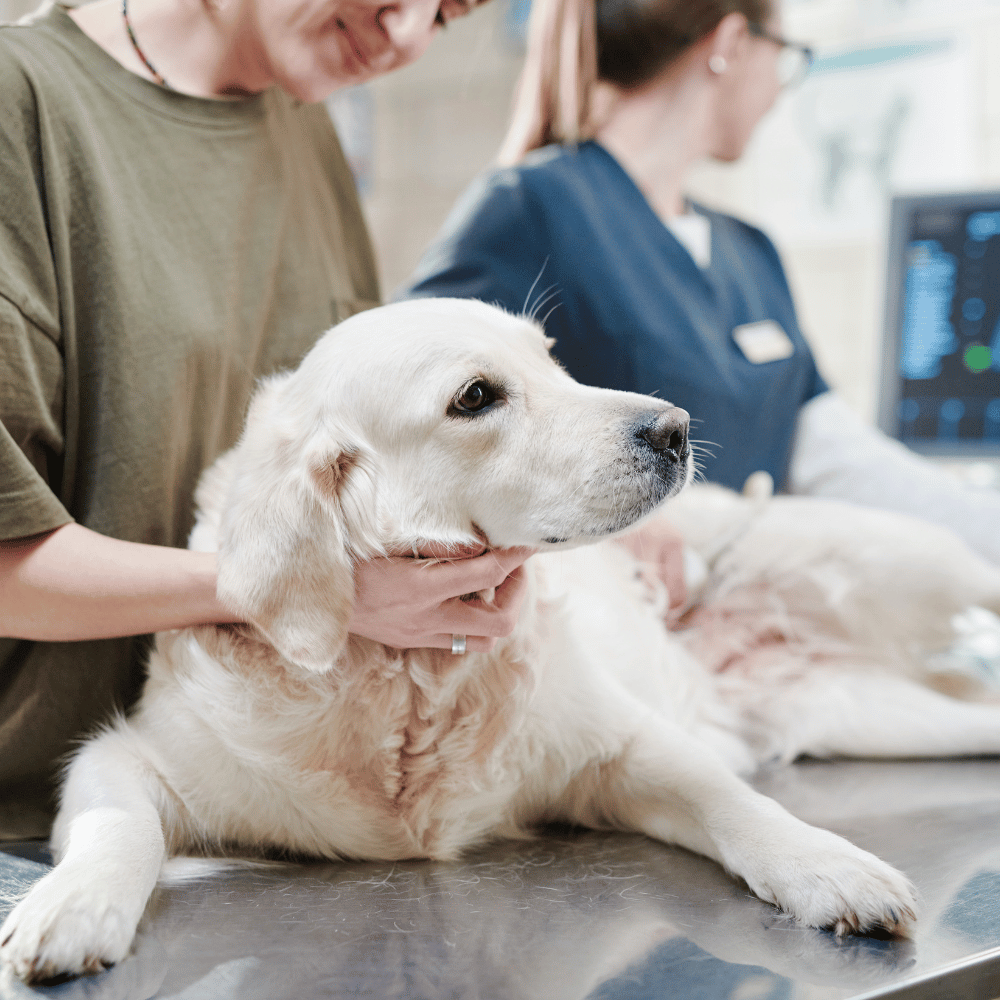
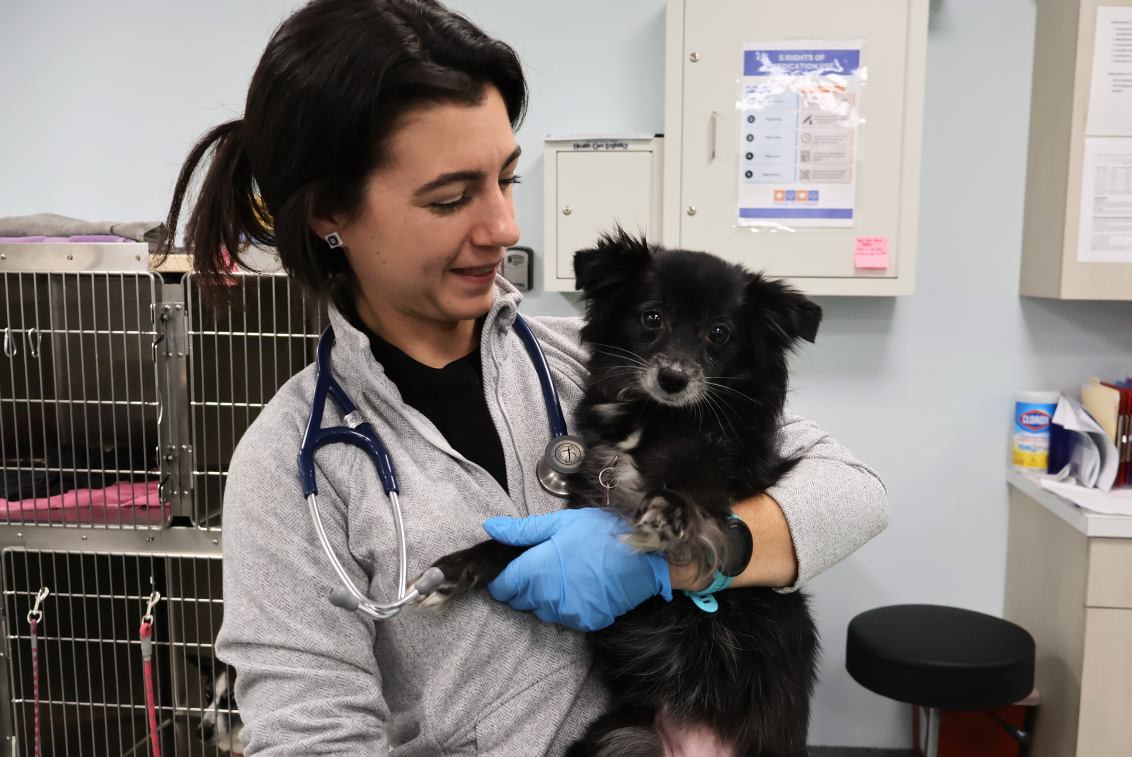
When your pet suddenly is not feeling well, it can be hard to know where to go or how quickly you need help. At Pieper, we hear this question every day from Connecticut pet owners:

What is the difference between urgent care and emergency care for pets?

Here is a clear guide to help you decide which type of care your pet needs so you can get help quickly and confidently.

The Short Answer

Urgent Care is for issues that need attention soon, often the same day, but are not life-threatening.

Emergency Care is for serious, time-sensitive, or life-threatening problems that require immediate intervention and potentially overnight hospitalization.

At Pieper, we offer both:

What Is Pet Urgent Care?

Pet urgent care fills the gap between your primary care vet and the emergency room. It is designed for problems that are uncomfortable or concerning, but not dangerous to your pet’s life.

Common Reasons Pets Visit Urgent Care in Connecticut

These are problems that need care soon but are not life-threatening.

  • Vomiting or diarrhea that is mild to moderate
  • Ear infections
  • Eye irritation
  • Coughing or sneezing
  • Skin issues, rashes, or itching
  • Minor wounds or abscesses
  • Lameness or limping that is mild
  • Urinary issues
  • Decreased appetite
  • Scooting or anal gland concerns
  • Pain or discomfort that is not severe
  • Broken nails

Urgent care is ideal when your regular veterinarian is closed or fully booked, or when an issue simply cannot wait for the next appointment.

Where to find Urgent Care in Connecticut

Visit our website for hours and online booking.

What Is a Pet Emergency?

Emergency care is meant for situations where your pet’s health or safety is at serious risk and cannot wait for a scheduled visit.

Go to the ER at Pieper Memorial Veterinary Center in Middletown, CT right away if your pet is experiencing:

  • Difficulty breathing
  • Collapse episodes
  • Trouble standing or walking
  • Major trauma such as being hit by a car
  • Uncontrolled bleeding, pale gums
  • Seizures
  • Ingestion of a toxin
  • Bloat or a distended abdomen
  • Heatstroke
  • Inability to urinate, especially male cats
  • Severe vomiting or diarrhea, can’t keep food or water down
  • If your pet has swallowed a foreign object
  • Any situation where your pet seems drastically unwell

Our Middletown Emergency Hospital is open 24 hours a day with advanced diagnostics, a full critical care team, and access to board-certified specialists.

How To Decide Where To Go

Here is an easy way to think about it.

Choose Urgent Care if:

  • The issue is uncomfortable but not immediately dangerous
  • Your pet is still alert and acting mostly normal
  • Symptoms came on gradually

Choose Emergency Care if:

  • The issue involves breathing, bleeding, collapse, or extreme pain
  • Symptoms appeared suddenly or are getting worse quickly
  • Your pet may have eaten something toxic
  • Your instincts tell you it is serious

When in doubt, call us. Our teams can guide you.

Why Pieper Offers Both Urgent and Emergency Care

Not every situation requires the emergency room, but many pet concerns cannot wait for a routine appointment. Offering both levels of care allows us to:

  • Provide faster access to help
  • Reduce ER wait times
  • Ensure pets receive the right level of treatment
  • Support local veterinarians when they are closed or fully booked

This approach makes sure Connecticut pet owners always have somewhere to turn.

Where To Go for Care

Pieper Madison – Urgent Care

Same-day care for non-life-threatening issues.

Lebanon Veterinary Hospital – Urgent Care & Primary Care

Same-day care for pets in the Lebanon and surrounding areas.

Pieper Memorial – Emergency & Specialty Care (24/7)

Life-threatening emergencies, serious illness, or sudden injury.

Your pet’s health is our priority, and we are here to support you every step of the way.

Addresses, hours, and online check-in are available at pieperveterinary.com.

Why Cats Who Never Go Outside Still Need the Vet

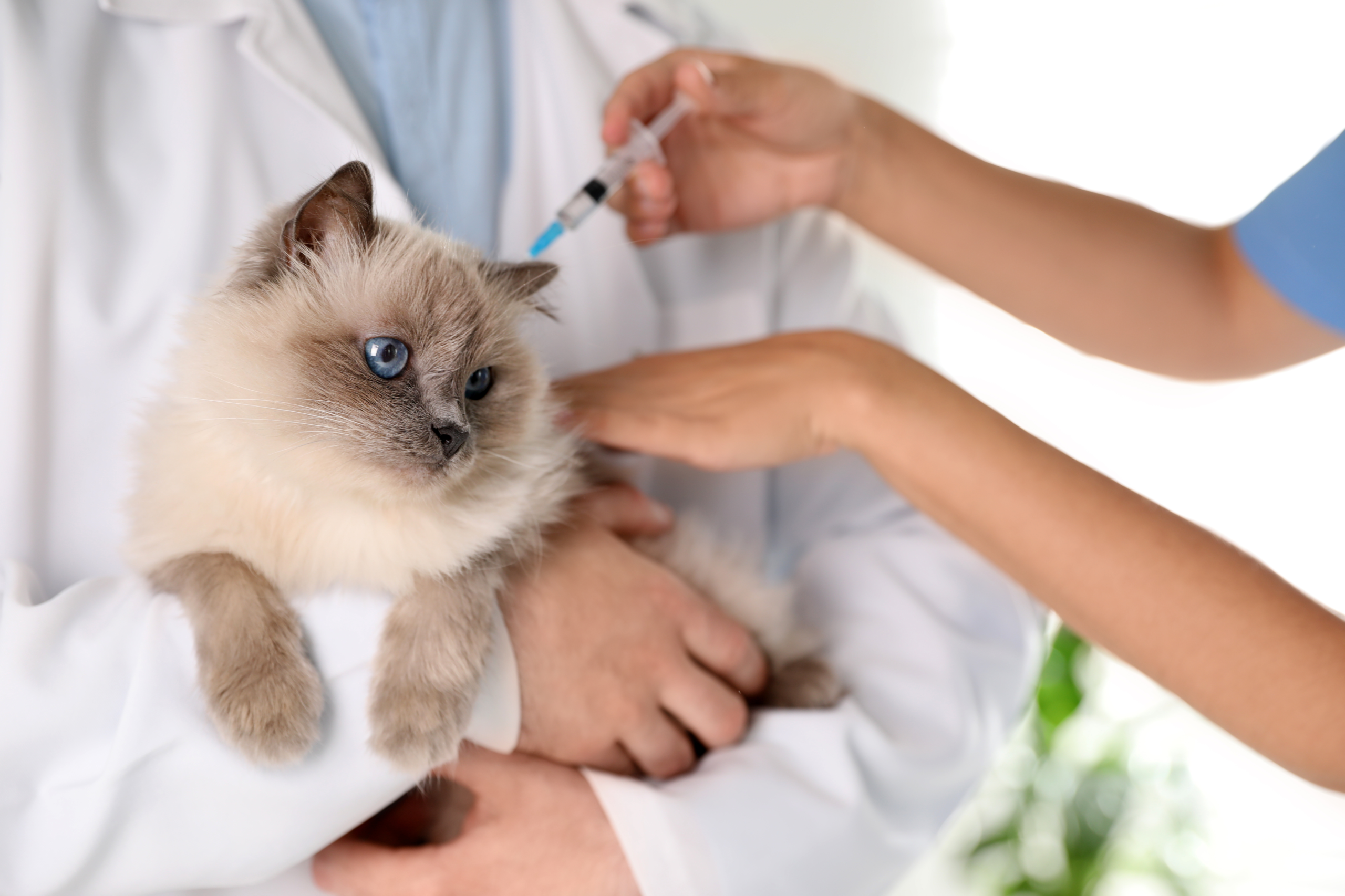
Your cat may spend every day lounging in a sunny window or curled up on the couch. They’ve never roamed the neighborhood or tangled with a stray, so you might think that means they’re safe from illness. But here’s the truth: even cats who live strictly indoors still need regular cat wellness exams and up-to-date cat vaccinations.

Cats are experts at hiding pain and illness. As part of their survival instinct, they mask weakness, which means they can appear perfectly healthy while quietly developing serious conditions like kidney disease, dental problems, or diabetes. Skipping preventive care allows these problems to progress unnoticed until they become much harder, and more expensive, to treat.

And “indoor” doesn’t always mean “protected.” Illnesses and viruses can sneak into your home in surprising ways:

  • Through open windows or screens when outdoor cats or wildlife wander nearby
  • On shoes or clothing from people who’ve been around other animals
  • From new pets joining the household
  • During grooming appointments or boarding visits

That’s why veterinarians recommend at least one cat vet checkup every year, even for cats who never go outside. A yearly indoor cat health checkup gives your veterinarian the chance to spot small changes before they turn into bigger problems.

Right now, Pieper Veterinary Hospitals is offering a free first wellness exam for indoor cats. Book by September 30 and enter to win a LitterBot.

Vaccines Recommended for Indoor Cats

Just like humans, cats need vaccines to stay protected against dangerous diseases. Even if your cat never steps outside, vaccines provide a vital safety net against unexpected exposures.

Rabies Vaccine

  • Legally required in most states
  • Protects against a deadly disease that is 100% fatal once symptoms appear
  • Rabies doesn’t always require outdoor exposure — bats, raccoons, or other wildlife can enter your home unnoticed
  • Staying up to date on rabies vaccination for cats keeps your cat and your family safe

FVRCP Vaccine

This is a combination vaccine that protects against three highly contagious and serious feline illnesses:

  • Feline Viral Rhinotracheitis – a severe upper respiratory infection
  • Calicivirus – causes oral ulcers, respiratory illness, and can lead to chronic health issues
  • Panleukopenia (feline distemper) – often fatal, especially in kittens
  • Even if your cat never meets another animal, these viruses can be tracked indoors on clothing, shoes, or through other pets.

Other Vaccines

Depending on your cat’s health, age, and environment, your veterinarian may recommend additional vaccines. During a cat annual checkup, your vet will review your cat’s lifestyle and tailor vaccine recommendations accordingly.

The Role of Annual Wellness Exams

A cat wellness exam is about much more than vaccines. It’s a head-to-tail assessment that helps your veterinarian monitor your cat’s health over time and catch early warning signs.

At a typical cat vet checkup, your veterinarian may:

  • Check weight and body condition to detect obesity or muscle loss early
  • Inspect teeth and gums for dental disease, which can affect the heart and kidneys if untreated
  • Run bloodwork to screen for conditions such as kidney disease, liver problems, or thyroid imbalances
  • Examine eyes, ears, and coat for changes that could indicate underlying illness
  • Discuss your cat’s nutrition, hydration, and behavior patterns
  • Address small concerns (like vomiting hairballs more often or using the litter box differently) before they become emergencies

Cats age faster than humans, which means skipping even one annual exam is like missing several years of your own physicals. Preventive care is the best way to ensure your indoor cat lives a longer, healthier life.

Signs Your Indoor Cat May Already Need a Vet Visit

Even with routine checkups, there may be times when your cat needs veterinary care sooner. Call your veterinarian if you notice:

  • Changes in appetite or water intake
  • Sudden weight loss or gain
  • Litter box changes (accidents, straining, or going more/less often)
  • Reduced grooming, greasy coat, or over-grooming a specific area
  • Hiding more than usual or changes in personality
  • Persistent sneezing, coughing, or nasal discharge

These signs don’t always mean something serious, but they do mean your cat should be seen for a cat health checkup to rule out illness.

Why Preventive Care Saves Money — and Stress

Some pet parents hesitate to schedule a cat annual checkup because they worry about cost or stress for their cat. But in reality, preventive care often saves money in the long run.

Catching problems early means:

  • Shorter, simpler treatments
  • Less pain and discomfort for your cat
  • Lower veterinary costs compared to advanced illness care
  • More options for managing chronic conditions if they’re detected early

For example, treating early-stage dental disease may only require a cleaning, while untreated disease could result in tooth extractions and even organ complications. Likewise, early detection of kidney disease gives your cat the best chance for a longer, more comfortable life.

When you think of wellness exams as an investment in both your cat’s health and your peace of mind, the value becomes clear.

Give Your Cat the Gift of Health — For Free

At Pieper Veterinary Hospitals, we believe every cat deserves access to preventive care. That’s why we’re offering a free first wellness exam for cats who haven’t been in for a while.

Schedule your appointment before September 30, and you’ll also be entered to win a LitterBot automatic litter box.

Your cat may never set foot outside, but that doesn’t mean they’re safe from illness. The best time to protect your cat’s health is before something goes wrong. Book a cat vet checkup today and give your indoor cat the protection they deserve.

Book Your Free Exam Now

Your cat might look perfectly healthy — they eat well, nap in their favorite sunny spot, and rarely cause concern. But even the most pampered indoor cats can develop serious health issues, and they’re experts at hiding them until it’s too late.

That’s why a routine cat wellness exam is so important. A regular wellness exam for cats (often called a cat annual checkup or cat veterinary checkup) allows your veterinarian to look for the early signs of illness in cats that most pet parents would never notice at home. Indoor cats are just as vulnerable to certain conditions as outdoor cats, including kidney disease, diabetes, dental problems, and other indoor cat illnesses that progress silently.

Cats are hardwired to mask pain and sickness — a survival instinct from their wild ancestors. By the time symptoms are obvious, the condition may already be advanced. Preventive veterinary care helps catch problems early, protect your cat’s long-term health, and give you peace of mind knowing your furry family member is staying as healthy as possible.

Right now, Pieper Veterinary Hospitals is offering a free first wellness exam for indoor cats. Book by September 30 and enter to win a LitterBot.

Hidden Illness #1: Chronic Kidney Disease

Chronic kidney disease is one of the most common, and most serious, conditions seen in cats, particularly as they get older. The challenge is that the early signs of illness in cats can be so subtle you may not notice them. Maybe your cat is drinking a little more water or you’re scooping a bit more urine from the litter box. In many cases, there are no obvious symptoms at all until the disease is quite advanced.

The best way to catch kidney problems early is through a cat wellness exam. During your cat’s regular vet checkup, a simple blood test and urinalysis can reveal kidney issues before they cause major health problems. Detecting kidney disease at a routine checkup means your veterinarian can begin treatment sooner, making the condition much easier to manage and helping your cat live a longer, healthier life.

Hidden Illness #2: Dental Disease

Cats don’t usually get cavities the way humans do, but they are highly prone to dental and periodontal disease. This painful condition can lead to tooth loss, infections, and even serious complications affecting the heart and kidneys. The tricky part? Many pet parents never notice the warning signs. Your cat might not have bad breath or visible tartar, but bacteria can still be quietly causing damage beneath the gums.

That’s why dental care is an important part of every cat wellness exam. At your cat’s annual checkup, your veterinarian will look for hidden dental issues and may recommend a professional cleaning. Staying on top of dental health doesn’t just protect your cat’s mouth, it helps prevent more serious illnesses and keeps your cat healthy for years to come.

Hidden Illness #3: Diabetes

Diabetes is becoming increasingly common in cats, especially those who are overweight or middle-aged. The early signs of illness in cats with diabetes can be subtle — things like drinking more water, urinating more often, or unexplained weight changes. These symptoms are easy to miss if you’re not watching closely.

The good news is that diabetes can often be managed successfully when caught early. In fact, some cats may even go into remission with prompt treatment. That’s why a regular cat wellness exam or check up for cats is so important: your veterinarian can run simple tests to detect diabetes before it becomes life-threatening.

Hidden Illness #4: Hyperthyroidism

Hyperthyroidism (an overactive thyroid gland) is one of the most common hormonal disorders in older cats. It can cause weight loss despite a hearty appetite, hyperactivity, vomiting, or even changes in coat quality. If left untreated, it may lead to high blood pressure and heart disease.

During your cat’s annual checkup, a routine blood test can screen for thyroid problems early. Including this test in your cat’s wellness exam helps ensure treatment can begin before serious complications develop, protecting both quality of life and long-term health.

Hidden Illness #5: Cancer

Unfortunately, even indoor cats can develop cancer. Some of the most common types include lymphoma, mammary tumors, and oral cancers. Many forms can be treated more effectively when detected early — but the first signs are often invisible to pet parents.

That’s why routine preventive care is critical. At a cat annual checkup your veterinarian can detect small lumps, swelling, or other subtle changes during a thorough physical exam, sometimes months before you’d notice anything at home. Early detection means more treatment options and a better chance at a positive outcome.

Why Early Detection Matters

Catching hidden health problems early can make all the difference. It often means simpler treatment plans, less pain and stress for your cat, and lower veterinary costs for you. A routine cat wellness exam gives your veterinarian the chance to spot small changes before they turn into major issues — even if your cat seems perfectly healthy at home.

By staying consistent with your cat’s annual checkup, you’re giving them the best chance at a longer, healthier, and happier life.

Give Your Cat the Gift of Health — For Free

Right now, Pieper Veterinary Hospitals is offering a free first wellness exam for cats who haven’t been seen in a while. Schedule your cat’s check up before September 30, and you’ll also be entered to win a LitterBot automatic litter box.

Don’t wait until symptoms appear — because by the time you notice them, many indoor cat illnesses may already be advanced. The best time to protect your cat’s health is before they show you something’s wrong. Book your appointment today and give your cat the gift of lifelong health.

Book Your Free Exam Now

You might think your indoor cat is safe from rabies. After all, they never set a paw outside, so how could they possibly be exposed? But the reality is very different. Rabies doesn’t need your cat to go outside; sometimes, it finds a way inside your home. A single encounter with a bat, raccoon, or other wild animal that slips in through a chimney, attic vent, or open window could be enough to put your cat — and your family — at risk.

That’s why cat vaccinations are so critical, even for pets who live strictly indoors. A routine rabies vaccination for cats provides a layer of protection against one of the deadliest diseases in the world. It’s not just about complying with the law, it’s about safeguarding your cat’s health and ensuring your household stays safe if an unexpected exposure ever occurs.

How Rabies Can Sneak into Your Home

Many cat owners assume rabies is a danger only for outdoor pets. After all, how could an indoor cat possibly cross paths with a wild animal? But rabies doesn’t need your cat to go outside, sometimes, it comes inside to find them.

Rabies is carried by mammals such as bats, raccoons, skunks, and foxes. And while you’d notice a raccoon rummaging through your kitchen, a bat can slip quietly inside through an attic vent, chimney, or loose screen. Small wild animals often find their way into basements, garages, or crawl spaces without you realizing it.

Cats, being natural hunters, may investigate these intruders before you do. The problem is, it takes only a tiny bite or scratch to transmit rabies, and these wounds are often so small they’re easy to miss under fur. You may never see the injury, or the animal that caused it.

This is why cat vaccinations are so critical, even for indoor-only pets. A routine rabies vaccination for cats provides a powerful layer of protection against these rare but high-risk encounters.

Why Rabies is So Dangerous

Rabies isn’t just serious, it’s almost uniquely terrifying. It is 100% fatal once symptoms appear in both animals and humans. There is no cure, and no treatment once the disease takes hold.

For people, the first signs — fever, headache, and weakness — can mimic something as simple as the flu. But once neurological symptoms such as disorientation, paralysis, seizures, or hydrophobia (fear of water) develop, it’s too late for medical intervention.

Cats face the same fate. Once a cat begins showing signs of rabies (changes in behavior, drooling, aggression, or paralysis) there is no recovery. The disease always progresses to death.

Because rabies is zoonotic (spread between animals and humans), protecting your cat with up-to-date cat vaccinations also protects you and your family. It’s one of the few preventive measures in veterinary care that safeguards both pets and people.

Right now, Pieper Veterinary Hospitals is offering a free first wellness exam for indoor cats. Book by September 30 and enter to win a LitterBot.

The Stakes for Your Cat — and Your Family

What happens if your cat is exposed to a rabid animal? The answer depends on whether or not they’re vaccinated.

If your Cat is Unvaccinated

The law typically requires strict quarantine that can last several months — or euthanasia, even if your cat seems healthy. Authorities cannot take risks with rabies, because the disease is so deadly and difficult to detect in its early stages.

If your Cat is Vaccinated

The outcome is far less severe. In most cases, your veterinarian will administer a booster shot and your cat will undergo a short observation period to confirm their health.

In other words, keeping your cat’s rabies vaccination up to date could be the difference between a simple follow-up appointment and heartbreaking consequences.

For your family, the stakes are just as high. If an unvaccinated cat contracts rabies and bites a human, that person must undergo a series of painful, expensive post-exposure shots immediately. Vaccination removes that risk, offering protection and peace of mind for every member of your household.

Indoor Cats Are Not Exempt

One of the most common myths veterinarians hear is: “My cat never goes outside, so they don’t need vaccines.” But the truth is, indoor cats are not exempt from rabies risk.

The rare but real encounters, a bat in the attic, a squirrel in the basement, or a raccoon in the garage, are exactly why rabies vaccination for cats is required by law for all cats, regardless of lifestyle. Even if your cat never sets a paw outside, there’s still a chance wildlife could make its way in.

And it’s not just about rabies exposure. Annual cat vaccinations are a cornerstone of preventive care, helping protect against other common diseases that can spread easily between animals. Some viruses, such as feline distemper, can even be carried inside on shoes, clothing, or through open windows.

By staying current with vaccines, you’re giving your indoor cat the same level of protection as their outdoor counterparts, without taking chances.

Why Vaccination is Part of Preventive Care

A cat wellness exam is more than just shots, but vaccinations are an essential piece of the puzzle. At a routine appointment, your veterinarian will:

  • Review your cat’s vaccination history and update any overdue doses.

  • Perform a full physical exam to check for lumps, weight changes, or other subtle health concerns.

  • Ask about your cat’s lifestyle, diet, and habits to provide tailored recommendations.

  • Discuss other preventive care such as dental cleanings, parasite protection, and bloodwork as your cat ages.

Vaccinations fit into this bigger picture of keeping your cat healthy for the long term. Protecting against rabies is just one part of ensuring your pet has many safe, happy years ahead.

Protect Your Cat. Protect Your Family.

A simple vaccine could save your cat’s life, and yours. If your cat’s rabies vaccine is overdue, or if you’re unsure when they last received it, don’t wait until an emergency. Schedule a cat vet checkup now to confirm their protection is current.

Right now, Pieper Veterinary Hospitals are offering a free first wellness exam for cats who haven’t been in for a while. Book your appointment before September 30, and we’ll ensure your cat’s rabies vaccination is up to date (plus, you’ll be entered to win a LitterBot automatic litter box!)

Your indoor cat may never encounter a bat or raccoon — but if they do, you’ll be glad you planned ahead. Don’t take the risk. Protect your pet, protect your family, and enjoy peace of mind knowing your cat is safe.

Book Your Free Exam Now

Life happens. Between work, family, and the everyday chaos of… well, everything, it’s easy to let time slip by. One day you realize your cat hasn’t been in for their annual wellness exam or a cat vet checkup in a year… or two… or maybe longer.

Here’s the important thing to know: your veterinarian isn’t here to judge you. You don’t need to feel embarrassed or guilty if your cat is overdue on vaccinations or has missed a wellness visit. What matters most is getting your cat back on track now — and it’s absolutely not too late.

Right now, Pieper Veterinary Hospitals is offering a free first wellness exam for indoor cats. Book by September 30 and enter to win a LitterBot.”

You’re Not Alone

If you’ve fallen behind on your cat’s routine vet checkups, you’re in good company. Many caring, responsible pet parents do. Maybe your cat bolts under the bed the second they see the carrier. Maybe you thought, “They’re an indoor cat, they’re safe.” Or maybe life just got busy, and months turned into years before you realized your cat hasn’t had a wellness exam in quite a while.


The truth is, you’re not alone, and you don’t need to feel guilty. Cats are masters of disguise when it comes to health issues. Unlike dogs, they rarely show pain or weakness until a problem is advanced. That means even cats who seem perfectly fine at home may actually be hiding serious conditions.

Some of the most common illnesses veterinarians find during a routine cat vet checkup include:

  • Kidney disease – one of the leading health issues in aging cats.

  • Dental disease – painful infections that affect the mouth and can spread to the heart and kidneys.

  • Diabetes – increasingly common in overweight and middle-aged cats.

  • Hyperthyroidism – an overactive thyroid that can cause weight loss, heart issues, and restlessness.

  • Cancer – which can sometimes be detected early through subtle lumps or changes.

The earlier these problems are discovered, the better the outcome. A simple cat wellness exam with updated vaccinations and basic lab work can mean the difference between catching a condition early — when it’s easier and less expensive to treat — versus waiting until your cat is seriously ill.

Skipping visits doesn’t make you a bad pet parent, it makes you human. The important thing is recognizing the gap and taking steps now to get your cat back on track.

Your Vet is On Your Team

One of the biggest worries for pet parents who have missed appointments is fear of being judged. But here’s the truth: veterinarians and their teams are not here to lecture you. They understand that life happens, and their job is to help you move forward.

When you bring your cat in after missing a year (or several) of care, the team will start where you are. They’ll begin with a gentle, thorough cat health checkup. This typically includes:

  • A physical exam of your cat’s weight, eyes, ears, coat, teeth, and overall body condition.

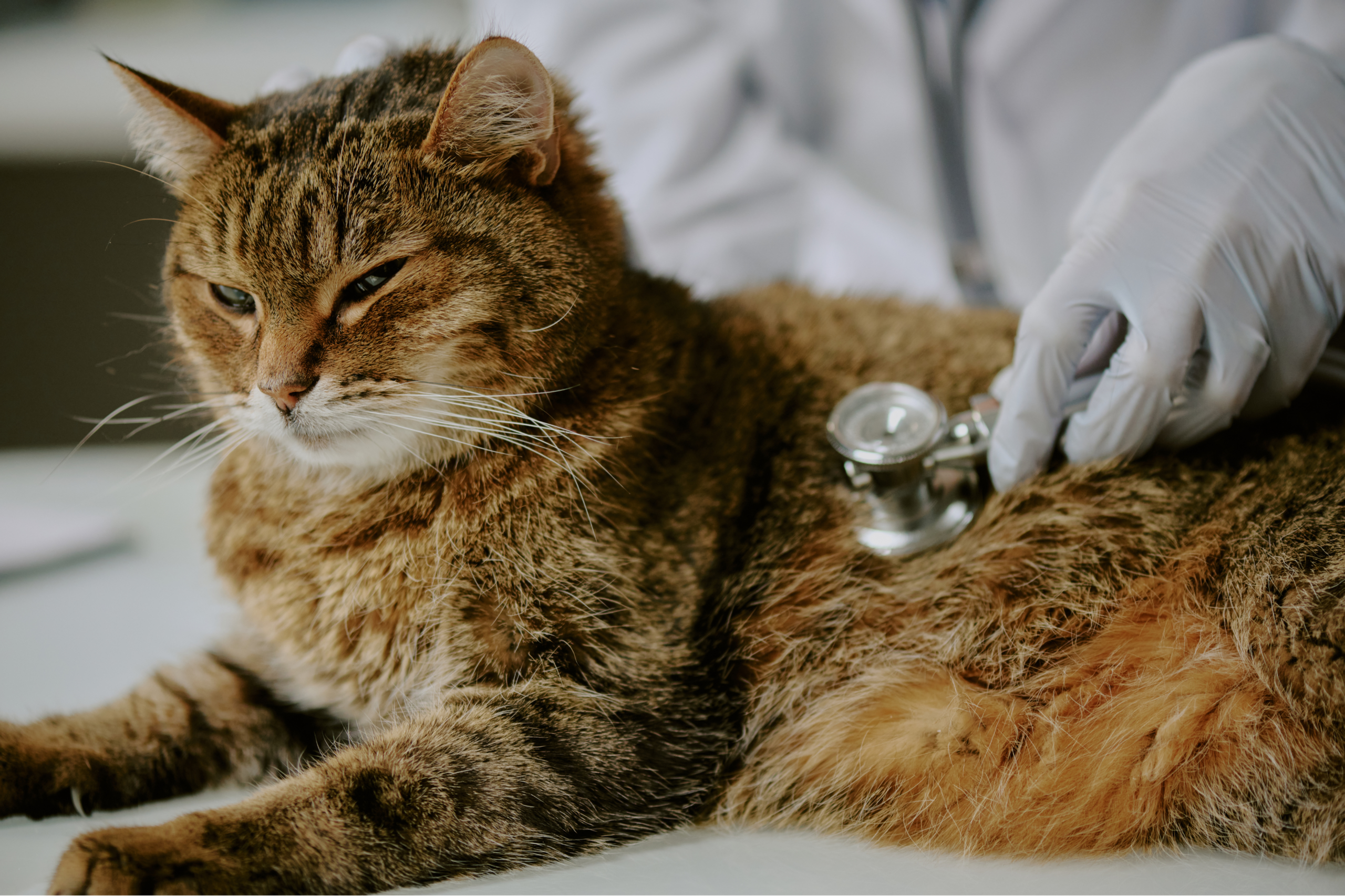
  • Listening to the heart and lungs to check for early signs of cardiac or respiratory issues.

  • Checking for lumps, bumps, or changes in muscle tone.

  • Updating any overdue cat vaccinations to protect against preventable diseases.

  • Recommending screening tests such as bloodwork or a urinalysis, especially if your cat is older.

Just as importantly, your veterinarian will want to know about your cat’s daily life, their eating habits, energy levels, litter box use, and even personality changes. These details provide valuable clues about your cat’s health that you might not connect to medical issues.

Together, you and your veterinarian will build a plan that works for your cat and your budget. This may include preventive care, lifestyle adjustments, or recommended follow-up visits. What you won’t find? Guilt trips or shaming. The veterinary team’s only goal is to help your cat live a longer, healthier, happier life.

Think of your vet as a partner, not a critic. They’re on your team, and they’re here to support you no matter how long it’s been since your cat’s last visit.

Why Now is the Perfect Time

So why not wait until your cat seems sick to schedule care? Because by the time you notice something is wrong, many conditions are already advanced. Cats are excellent at hiding pain and visible symptoms often appear only when a disease has progressed.

Scheduling a routine cat wellness exam now gives you peace of mind and helps protect your cat’s future health. At an annual checkup, your veterinarian can:

  • Catch hidden problems early: A small weight change, increased thirst, or subtle behavior shift may reveal conditions like diabetes or kidney disease.

  • Update overdue vaccinations: Core vaccines help protect against serious, preventable illnesses such as rabies, feline distemper, and upper respiratory infections. Even indoor cats benefit, since viruses can travel on shoes, clothing, or through open windows.

  • Give you a health baseline: By tracking weight, bloodwork, and other health markers yearly, your vet can spot trends long before they become emergencies.

  • Provide personalized advice: Whether your cat is a playful kitten, a mellow middle-ager, or a senior with changing needs, your vet will offer tailored guidance on nutrition, exercise, and preventive care.

Preventive care doesn’t just protect your cat, it protects your wallet, too. Treating advanced illness often costs significantly more than maintaining routine cat wellness exams and vaccinations. A small investment in regular care can save you from the stress, worry, and expense of an emergency later on.

Most importantly, getting back on track today means more healthy, happy years with your cat. They don’t care if you’ve missed a year or two, they just care that you’re here for them now.

A Special Invitation from Pieper Veterinary Hospitals

If it’s been a while, now’s the perfect time to get back on track. Pieper Veterinary Hospitals is offering a free first cat wellness exam for cats who haven’t visited in over a year. Schedule your appointment before September 30, and you’ll also be entered to win a LitterBot automatic litter box.

Your cat doesn’t care about the time that’s passed — they just care that you’re here for them now. Let’s make this their healthiest year yet.

Book Your Free Exam Now

How to Get Your Cat to the Vet Without Losing a Limb

How to Get Your Cat to the Vet Without Losing a Limb

Many cat owners agree: the hardest part of a cat wellness exam isn’t the bill, it’s getting your cat there in the first place. Some cats seem to know the moment you even think about pulling out the carrier. Suddenly, they vanish under the bed or turn into a writhing, hissing ball of claws.

But skipping the vet isn’t an option if you want your cat to live a long, healthy life. A routine cat wellness exam can catch hidden issues like kidney disease, diabetes, hyperthyroidism, and even cancer, often before your cat shows any obvious symptoms. If you’ve ever wondered how to take a cat to the vet without all the stress, here’s how to make your next cat vet appointment calmer, safer, and easier for both of you.

Step 1: Choose the Right Cat Carrier

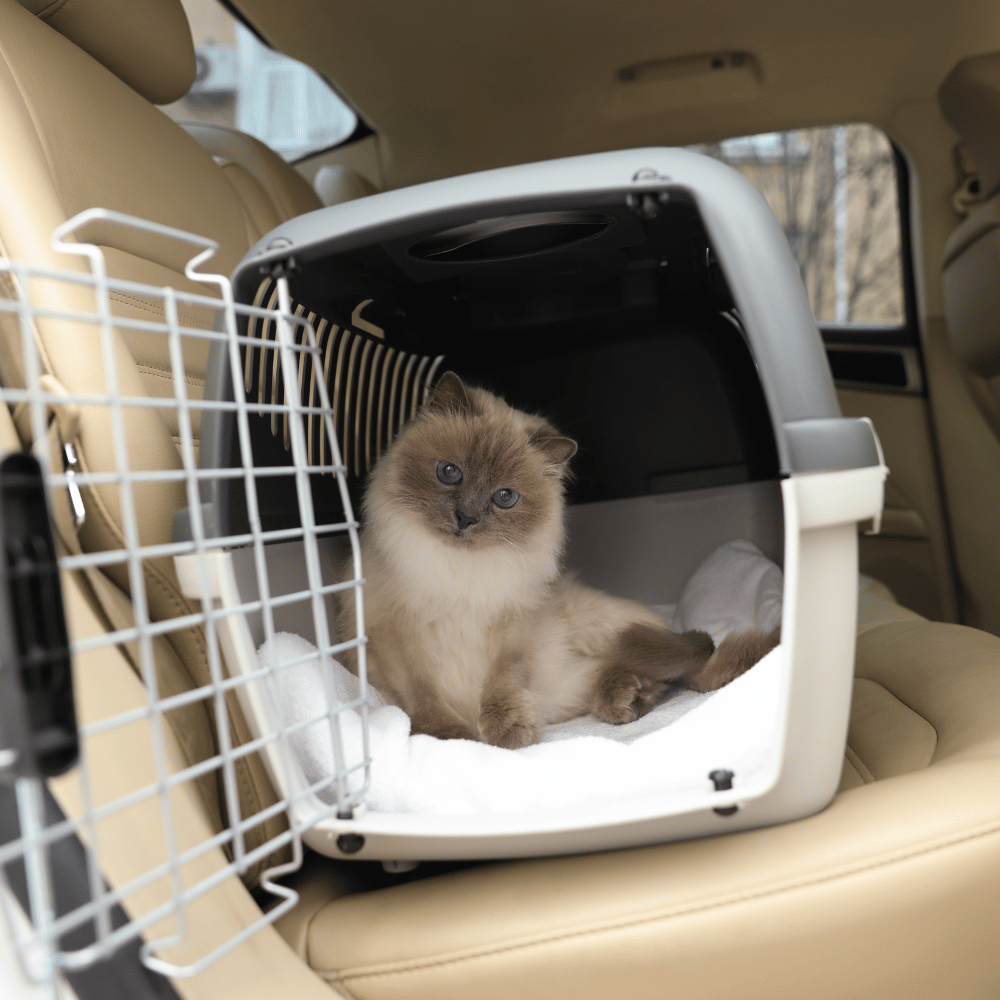
A sturdy, secure carrier is essential for a stress-free vet appointment. The right carrier doesn’t just keep your cat safe; it sets the tone for the entire trip. Think of it as your cat’s portable safe space.

Look for one that:

  • Opens from both the front and the top (this gives you more options when placing your cat inside).

  • Has enough space for your cat to turn around comfortably without feeling cramped.

  • Is hard sided for extra durability and security (though soft carriers can work well for shorter trips).

  • Has a removable top, which allows your veterinarian to examine your cat inside the carrier during a cat vet checkup, minimizing stressful handling.

Skip the makeshift options like cardboard boxes or totes. They’re often flimsy, can collapse under stress, and don’t provide the safety your cat needs during travel. Some cats even manage to claw their way out, which can be dangerous if you’re on the road.

Right now, Pieper Veterinary Hospitals is offering a free first wellness exam for indoor cats. Book by September 30 and enter to win a LitterBot.

Step 2: Make the Carrier a Familiar Place

If the carrier only appears right before a cat vet checkup, your cat will instantly associate it with something negative. Instead, integrate the carrier into your home so it becomes a regular part of their environment.

Place it in a quiet corner with the door open and make it cozy. Line it with a blanket that smells like your cat or add a favorite toy. Toss in a few treats or even feed your cat their meals inside occasionally. Over time, they’ll start to see the carrier as a safe den rather than a trap.

Cats that view their carrier positively are far easier to transport for their cat vet appointments. This simple step can make the biggest difference between a stressful battle and a smooth trip.

Pro Tip: If your cat loves cardboard boxes or sunbeams, put the carrier in one of those favorite spots. The goal is to associate the carrier with comfort, not conflict.

Step 3: Use the Power of Scent

Cats rely heavily on scent for security and familiarity, so tapping into that instinct is key before a cat wellness exam.

Here’s how you can make scent work for you:

  • Place bedding or a towel from your cat’s favorite sleeping spot inside the carrier. Familiar smells help lower anxiety.

  • Spray the inside of the carrier with a feline pheromone spray like Feliway 10–15 minutes before loading your cat. These synthetic pheromones mimic the “happy” scents cats naturally release, signaling safety.

  • Avoid cleaning the carrier right before your cat vet appointment. Harsh chemical smells or “new” smells can unsettle your cat.

Step 4: Stay Calm Yourself

Your cat is incredibly in tune with your emotions, if you’re anxious about how to take a cat to the vet, your cat will pick up on it. Calm energy is contagious.

On the day of your cat vet appointment:

  • Move slowly and speak softly. Quick, jerky movements can make your cat think something is wrong.

  • Avoid chasing your cat if they resist. Instead, try gently coaxing them with treats, toys, or even a small meal placed inside the carrier.

  • Keep your voice calm and steady. Even cats who don’t understand words respond to tone.

If your cat senses you’re calm, they’re more likely to cooperate. Remember, the goal isn’t to force your cat into compliance but to make the process feel safe and predictable.

Step 5: Make the Car Ride Comfortable

For many cats, the ride itself is the most stressful part of a cat vet checkup. The carrier is moving, there are strange smells, and the environment is unfamiliar. But you can take steps to make it less scary.

  • Cover the carrier with a light blanket or towel to block outside sights. This creates a “cave-like” effect that feels safe.

  • Keep the car temperature moderate — not too hot or too cold.

  • Drive smoothly and avoid sudden stops or loud music.

  • Place the carrier on the floor behind the passenger seat or secure it with a seatbelt for stability. Cats feel calmer when the carrier doesn’t shift around.

Resist the urge to open the carrier mid-trip. Even a calm cat can panic and escape, which is extremely dangerous in a car.

Pro Tip: If your cat is especially anxious, talk to your vet before the visit. They may recommend mild anti-anxiety medication to make travel easier.

Step 6: Practice Short Trips

Practice makes perfect, and that applies to vet trips too. If your cat only ever gets in the carrier to go to the vet, the negative association is hard to break.

Take your cat on short rides around the block without a destination. End these practice trips with rewards like treats, playtime, or even dinner. This helps your cat learn that the carrier and car don’t always mean needles or thermometers.

Over time, these “fun rides” make actual cat vet appointments much easier. The more your cat views travel as routine, the less likely they are to resist.

Why Stress-Free Vet Visits Matter

Getting your cat to the vet is worth the effort. Routine cat wellness exams help your veterinarian catch problems like kidney disease, dental disease, diabetes, or cancer early — when they’re easier (and less expensive) to treat.

The less stressful the trip, the more likely you are to stick with those regular checkups that can add years to your cat’s life.

Special Offer: Free First Cat Wellness Exam

Right now, Pieper Veterinary Hospitals is offering a free first wellness exam for cats who haven’t been in for a while. Schedule your cat’s vet checkup before September 30 and you’ll also be entered to win a LitterBot automatic litter box.

Don’t wait until your cat is showing symptoms — by then, many illnesses may already be advanced. Book your appointment today and make your next cat vet visit a calmer, healthier experience.

Book Your Free Exam Now

When a dog starts acting “off,” it can be easy to chalk it up to age, injury, or even personality. But some subtle changes in behavior or movement could actually point to an issue with the nervous system. Neurological signs in dogs can range from mild to severe – and early diagnosis is critical for the best outcome.

At Pieper Veterinary, our Neurology & Neurosurgery team uses advanced diagnostics like MRI to get to the root of these complex issues. If you’ve noticed something unusual in your dog, here’s what you need to know.

Common Neurological Signs in Dogs

Dogs can’t tell us when something feels wrong—but they often show us. Neurological problems may affect the brain, spinal cord, or nerves, leading to a wide variety of signs, including:

  • Wobbliness or unsteady walking (Ataxia)

Your dog may look drunk, sway side to side, or have difficulty maintaining balance—especially on slippery surfaces or stairs.

  • Sudden weakness or collapse

If your dog suddenly can’t stand, seems weak in the limbs, or collapses without warning, it could be a spinal or neuromuscular issue.

  • Seizures or twitching

Any abnormal shaking, muscle tremors, or full-body seizures should be evaluated by a vet immediately. Do your best to get a video of your dog’s behavior at home – its very unlikely they’ll repeat it in front of the doctor.

  •  Head tilt or circling

These signs may point to vestibular(balance) dysfunction or a brain lesion and often worsen without treatment.

  • Neck or back pain

Dogs with spinal problems may cry out when touched, resist movement, or walk with a hunched back.

  • Paralysis or dragging limbs

Partial or full paralysis (especially in the back legs) can be caused by intervertebral disc disease (IVDD), spinal cord injury, or infections.

  • Changes in behavior or awareness

Confusion, aggression, staring off into space, or not recognizing family members may indicate a neurological event.

  • Loss of bladder or bowel control

Incontinence, especially when paired with mobility changes, may signal spinal compression or nerve dysfunction.

Call us at (860) 431-3025 to Schedule an Appointment.

When to See a Veterinary Neurologist

Your primary veterinarian is the best place to start – but for more advanced signs or unclear diagnoses, a referral to a veterinary neurologist can be life-changing.
At Pieper Memorial, our Neurology & Neurosurgery team offers:

  • Expert neurological exams

Our specialists perform comprehensive neuro exams to pinpoint where the problem lies within the nervous system.

  • MRI imaging for advanced diagnosis

MRI is the gold standard for evaluating brain and spinal conditions in dogs. It’s safe, non-invasive, and incredibly detailed.

  • Treatment for complex conditions

From seizures and brain tumors to disc herniations, vertebral fractures and meningitis, our team has experience with the most challenging cases.

  • Surgical and non-surgical care

Whether your pet needs surgery or long-term medication management, we work with you to find the best solution.

Want to take the next step? Learn more about our neurology services.

Don’t Wait—Early Action Matters

Neurological issues can progress quickly. The sooner you seek care, the better the chances of recovery. If your dog is showing any of the signs listed above, talk to your vet or ask about a referral to our Neurology & Neurosurgery department.
At Pieper Veterinary, we’re proud to offer compassionate, expert care when it matters most. If your dog needs advanced diagnostics or neurological support, our team is here to help.

Why is My Dog Throwing Up White Foam?

Seeing your dog retching or throwing up white foam can be alarming. While it’s sometimes harmless, in other cases, it may point to a more serious issue requiring urgent care. Understanding what causes this type of vomiting—and when to take action—can help protect your dog’s health and well-being.

At Pieper Veterinary, our emergency and specialty teams routinely treat dogs for vomiting, nausea, and gastrointestinal distress. This guide explains the top reasons for dogs throwing up white foam, signs to watch for, and when to contact your veterinarian.

What it Means When Your Dog Throws Up White Foam

When a dog throws up white foam, it usually consists of saliva and gastric juices from the upper digestive tract. This foamy or bubbly vomit typically appears when a dog has an empty stomach. Another possible situation may be your dog is coughing up respiratory secretions that appear as white foam. It may happen just once or be an early sign of something more serious.

If vomiting occurs repeatedly or is accompanied by other symptoms, prompt veterinary attention is recommended.

Common Causes of Dogs Throwing Up White Foam

There are many possible causes for this symptom—some mild and others more serious. Below are the most frequent reasons:
1. Empty Stomach or Bile Irritation
When a dog hasn’t eaten for several hours, stomach acid and bile can accumulate , irritating the lining and leading to vomiting, this is called bilious vomiting syndrome. This often occurs in the early morning or late at night.

2. Indigestion or Dietary Upset
Eating fatty foods, spoiled leftovers, or foreign items can cause vomiting. If the stomach is empty, the vomit may appear as bile that is foamy or white.

3. Gastrointestinal Inflammation
Conditions like gastritis or gastroenteritis—often due to infections, parasites, dietary indescretion,chronic conditions like inflammatory bowel disease, toxicities, or adverse drug events—can trigger repeated vomiting, sometimes with mucus or foam.

4. Respiratory Irritation or Kennel Cough
Certain respiratory illnesses may lead to coughing and frothy secretions that resemble vomit. Look for nasal discharge, lethargy, or increased respiratory effort like coughing.

5. Pancreatitis
Triggered by rich or fatty foods, pancreatitis causes inflammation and vomiting. White foam can appear alongside signs like abdominal pain or weakness.

6. Toxin Exposure
Ingesting medications, chemicals, or toxic plants can cause vomiting—often with white foam—and may require emergency care. Call your vet immediately if poisoning is suspected.

7. Bloat
This life-threatening emergency occurs when the stomach twists and fills with gas. Signs include unproductive retching, excessive drooling, and abdominal swelling. Dogs may vomit only foam. Seek emergency care without delay.

When to Call the Vet

Not every case of white foam vomiting requires emergency attention, but contact your vet if your dog shows any of the following signs:

  • Vomiting more than once in 24 hours
  • Lethargy or unresponsiveness
  • Refusal to eat or drink
  • Distended or painful abdomen
  • Unproductive retching more than once
  • Vomiting blood
  • Possible ingestion of toxins or objects

At-Home Care for Mild Cases

If your dog is otherwise healthy and has vomited white foam only once, you can try these at-home care steps:

  • Withhold food for 6 to 12 hours, but provide fresh water
  • Reintroduce a bland diet (boiled chicken and plain rice)
  • Watch for repeat vomiting or behavior changes
  • Avoid fatty treats or table scraps
  • Don’t give medications unless prescribed by your vet

If symptoms return or worsen, call your veterinarian immediately.

Emergency Veterinary Care When Needed

Sometimes, vomiting is just a temporary upset. Other times, it’s a sign of something serious. If your dog keeps throwing up white foam, seems distressed, or won’t eat or drink, don’t delay.
The emergency team at Pieper Veterinary is available 24/7 to provide diagnostics, stabilization, and advanced treatment for urgent conditions. We’re here to help when your dog needs it most.

Pet Anxiety and Fireworks: How to Help Your Pet Cope

Fireworks may be a highlight of summer holidays in Connecticut, but they often trigger intense pet anxiety. Dogs and cats can become overwhelmed by the loud booms, flashing lights, and unfamiliar vibrations, leading to behaviors like hiding or escape attempts.

At Pieper Veterinary, we see an increase in anxiety-related emergencies during holidays like the 4th of July. With thoughtful preparation, you can help your pet feel safe and supported even during noisy celebrations.

Why Fireworks Trigger Pet Anxiety

Pets experience the world through more sensitive hearing and acute sensory awareness. Fireworks are irregular, loud, and disorienting. Unlike thunder, which has a pattern, fireworks are unpredictable and often more frightening—especially for pets with prior trauma or sound sensitivity.

Signs of Pet Anxiety During Fireworks

  • Hiding in closets, under beds, or in bathrooms
  • Trembling or pacing
  • Barking, whining, or excessive vocalizing
  • Drooling or panting
  • Trying to escape or flee
  • Scratching at doors or windows
  • Loss of appetite
  • Accidents in the house
  • Cats may flatten ears, widen pupils, or lash out

Ways to Help Your Pet Cope with Fireworks

  1. Set Up a Quiet Retreat: Choose a familiar, calm room. Close windows, dim the lights, and use white noise, fans, or blackout curtains to help muffle external sounds.
  2. Offer Gentle Presence: Be close, but let your pet choose how much interaction they want. Speak softly and avoid overwhelming them.
  3. Use Soothing Sounds: Play calm music or soft background TV to help distract from sudden bursts of noise outside.
  4. Keep Routine Consistent: Sticking to your pet’s regular schedule for meals and walks provides structure and comfort.
  5. Don’t Punish Fear-Based Behavior: Scolding only increases fear. Instead, provide reassurance and space for your pet to settle.
  6. Try Calming Aids: Ask your veterinarian about safe options like pheromone diffusers, calming treats, or anxiety wraps.
  7. Check Your Home’s Security: Make sure windows are locked, screens are secure, and fences are closed—startled pets may flee unexpectedly.

When Veterinary Help is Needed

If your pet has severe reactions, doesn’t calm down, or has a history of injury during loud events, talk to your veterinarian in advance. Medication or behavior support may be necessary.

Pieper Veterinary’s Emergency & Critical Care team is available 24/7 to treat stress-related emergencies, injury, and other complications caused by fireworks anxiety.

Make Firework Nights Safer for Pets

Holidays should be joyful—not distressing. With awareness, preparation, and the right support, you can minimize pet anxiety during fireworks and keep your companion calm and safe.

If your pet is already showing signs of stress or you want guidance on managing their anxiety, contact Pieper Veterinary. We’re here to support families across Connecticut with care every day of the year.

It’s normal to wonder what’s wrong if your dog limps, moves more slowly, or just doesn’t move like they used to. Sometimes, a sore muscle or a short-term strain is all it is. But if the symptoms don’t go away, there may be something else going on. In those cases, it might be time to seek the expertise of a veterinarian orthopedic specialist.

Many pet owners in Stratford, CT, aren’t quite sure when it’s appropriate to see a specialist rather than rely on their regular vet. This article will walk you through signs to watch for, what conditions may require orthopedic care, and how a specialist can help your dog feel better and regain stable mobility.

When Limping is More Than Just a Strain

Dogs are tough and can often hide pain well. When you get home from a day at the park, a little limp might not seem like a big deal at first. But if your dog is still limping after two or three days, or if they have trouble getting up or going up or down stairs, or if they seem very stiff, there may be a bigger problem.

Pay attention to signs like:

  • Visible swelling near a joint

  • Clicking or popping sounds when they walk

  • Avoiding regular activities like walks or playtime

  • Personality changes, like irritability or restlessness

These signs could mean that your joints aren’t stable, that you tore a ligament, or that you’re starting to get arthritis. A primary vet can tell you a lot about simple illnesses, but a veterinarian orthopedic specialist for animals has access to more advanced diagnostic tools and can offer more targeted solutions for tough or long-lasting issues.

Injuries That May Require Surgical Treatment

Not all injuries lead to surgery—but when bones, joints, or ligaments are involved, more in-depth care is often needed. If your dog had a fall, was involved in an accident, or suddenly refuses to put weight on one of their legs, you should consider whether dog orthopedic surgery may be necessary.

Here are several orthopedic conditions that commonly require a surgical approach:

  • Fractures: Some broken bones heal with splints or casts, but others—especially those with multiple breaks or displacements—require pet bone surgery to properly realign and stabilize them using screws, plates, or pins.

  • Cruciate ligament tears: Much like an ACL tear in people, this knee injury is common in large or active dogs. Surgery is typically the best way to restore joint function and reduce pain.

  • Joint luxations: A joint that becomes dislocated—such as a hip or elbow—may need surgical correction to prevent further damage and restore mobility.

  • Hip or elbow dysplasia: These inherited conditions often start in younger dogs and worsen with age. When joint malformation causes pain or movement issues, a specialist may recommend corrective surgery.

In any of these cases, a general practice veterinarian might recognize the issue but refer you to an orthopedic surgeon in Stratford, CT, who can assess the injury with precision and recommend a treatment plan tailored specifically to your dog’s needs.

Aging and Joint Health in Senior Dogs

Orthopedic problems aren’t just linked to trauma. Aging is another major factor. As dogs get older, joint cartilage wears down, muscles weaken, and arthritis often sets in. While many older dogs manage well on medications and supplements, some require more than just conservative care.

Signs your senior dog may need a specialist include:

  • Difficulty standing up or lying down

  • Hesitation on smooth surfaces

  • Licking or chewing at painful joints

  • Muscle loss, especially in the hind legs

  • Limping that comes and goes throughout the day

If medications aren’t helping, a veterinarian orthopedic specialist can evaluate whether orthopedic surgery for pets could provide relief—such as removing bone fragments, stabilizing loose joints, or even replacing a severely arthritic joint. These decisions are always made carefully, considering the dog’s age, health status, and expected quality of life after surgery.

What Sets a Veterinary Orthopedic Specialist Apart?

While general veterinarians are trained to diagnose and treat many conditions, a veterinarian orthopedic specialist focuses entirely on musculoskeletal issues. These specialists undergo extensive post-doctoral training and are often board-certified in surgery.

They bring a more advanced level of care by offering:

  • Digital X-rays and advanced imaging (CT scans, MRI)

  • Minimally invasive procedures where appropriate

  • Surgical techniques tailored to a pet’s anatomy

  • Recovery plans that include physical therapy or rehab

Practices offering orthopedic surgery for pets in Stratford, CT, often have fully equipped surgical suites and support staff who specialize in post-operative care and rehabilitation.

Choosing a specialist doesn’t mean bypassing your general vet—it means building on their diagnosis to provide the highest level of care when an orthopedic issue is affecting your dog’s daily comfort and movement.

What to Do If You Think Your Dog Needs Help

If your dog is showing signs of an orthopedic issue, your first step should always be your primary veterinarian. They can perform an exam and determine whether a referral is necessary. In most cases, they’ll recommend seeing a veterinarian orthopedic specialist if the condition is complex or surgical care may be needed.

Acting sooner rather than later is important. Waiting too long can limit your dog’s treatment options or lead to more serious complications down the road. Whether it’s an injury, a suspected ligament tear, or joint pain that keeps coming back, specialists in Stratford, CT, are ready to help you make the best decision for your pet’s comfort and mobility.