
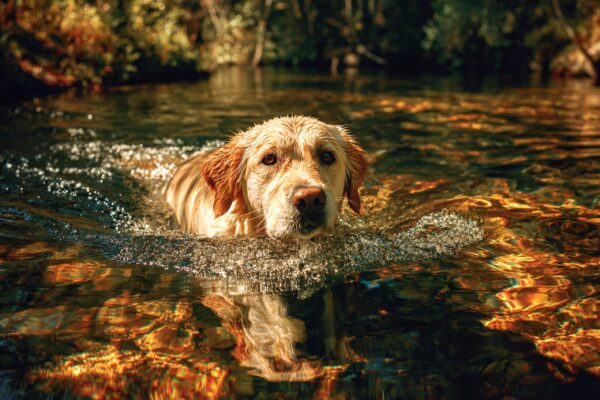
Summer is the perfect season for outdoor adventures—from splashing in the pool to joining you on lakeside or beach trips. But while many pets love water, even the strongest swimmers can face unexpected dangers. Currents, fatigue, accidental falls, and even delayed complications like dry drowning can turn fun into an emergency.
The good news? A few simple precautions can dramatically increase your pet’s safety. This guide covers everything pet parents need to know about reducing water‑related risks and keeping pets safe around pools, lakes, rivers, and oceans.
1. Teach Your Pet to Swim Safely
Not all animals instinctively know how to swim, and even water‑loving breeds may need guidance. Before heading into deeper or moving water, help your pet build confidence and learn basic paddling skills by only allowing swimming in shallow areas.
How to Introduce Your Pet to Swimming
- Start in shallow, calm water.
- Support their chest and abdomen as they begin to paddle.
- Keep early sessions short to avoid fatigue.
- Watch for signs of stress or panic—some pets simply don’t enjoy water, and that’s okay.
Training at your pet’s pace reduces fear and prevents dangerous situations before they happen.
2. Understand Water Currents, Tides, and Depths
Even a capable swimmer can be quickly overwhelmed by water conditions. Rip currents, fast‑moving rivers, and sudden drop‑offs pose risks for pets just as much as for people.
Safety Tips
- Check tide charts and local current advisories before allowing pets to swim.
- Keep swimming close to shore where rescue is easier.
- Avoid rough surf, fast rivers, and unfamiliar waters.
Staying nearby ensures you can assist your pet immediately if something goes wrong.
3. Never Leave Pets Unsupervised Near Water
Constant supervision is essential to preventing accidents. Pets can fall into pools, slip off docks, or become stuck in water without a safe exit point.
Keep Pets Safe By:
- Supervising all pool, lake, beach, and river time.
- Preventing access to pools when unattended.
- Using barriers like fencing or secure pool covers.
- Avoiding steep banks or slick docks.
This is especially important for senior pets, small pets, or those with mobility issues.
4. Use a Properly Fitted Pet Life Vest
A high‑quality life jacket greatly improves safety during boating, paddleboarding, kayaking, or deep‑water play.
A Life Vest Is Especially Important For:
- Pets new to swimming
- Senior pets
- Pets with orthopedic or musculoskeletal concerns
- Flat‑faced breeds (like French bulldogs or pugs)
- Any situation involving boats or larger bodies of water
A vest with a sturdy top handle and is properly fitted makes it easy to lift your pet back onto a dock, boat, or shore if they become tired or drift too far.
5. Rinse Your Pet Thoroughly After Every Swim
Water sources leave behind irritants that can affect your pet’s skin, coat, and ears.
After Swimming:
- Rinse with clean, fresh water.
- Keep water out of the ears to reduce infection risk.
- Bathe your pet after exposure to algae, saltwater, or chlorinated pools.
A quick rinse helps prevent itching, dryness, and skin irritation.
6. Watch for Hidden Water Hazards
Bodies of water often contain dangers that go beyond swimming itself.
Keep Your Pet Away From:
Blue‑Green Algae (Cyanobacteria)
This algae is highly toxic and potentially fatal if ingested. Avoid water that looks discolored, has scum or film on the surface, or gives off a foul smell.
Dead Fish
Pets may try to eat fish found on shore, which can carry parasites, bacteria, or toxins.
Fishing Gear
- Hooks can embed in mouths, throats, or paws.
- Fishing line can cause entanglement or drowning.
- Bobbers can be choking hazards.
If your pet ingests a hook or line, do not try to remove it—seek emergency care immediately.
Emergency Preparedness: Know Where to Go
Water‑related emergencies escalate quickly. Seek immediate veterinary attention if your pet:
- Inhales or aspirates water (often show signs of continued coughing)
- Has difficulty breathing
- Becomes excessively tired
- Ingests algae or dead fish
- Is injured by fishing gear
- Shows unusual behavior after a swim
- Development of vomiting, diarrhea, inappetence
Having your nearest 24/7 veterinary emergency location saved in your contacts ensures you can act fast when seconds matter.
Enjoy Safe, Fun Water Adventures With Your Pet
Creating safe water experiences isn’t complicated—it’s about awareness, preparation, and staying close. With training, supervision, protective gear, and quick action when hazards appear, your pet can enjoy a summer full of happy and healthy water adventures.
If you ever feel unsure about a situation or need personalized guidance, your veterinary team is always there to help.