6 NEUROLOGICAL SIGNS YOU SHOULDN’T IGNORE 

As pet owners, we know our companions’ quirks inside and out—the way they greet us, their favorite napping spot, the sound of their bark or meow. So, when something suddenly changes, it’s alarming. 

You might notice your dog stumbling, your cat seeming “lost” in a familiar room, or a sudden, frightening seizure. It’s easy to brush off subtle changes as “just old age,” but often, these are clear signals from your pet’s nervous system that something is wrong. 

Your primary veterinarian is your pet’s first line of defense. But just as you might see a human specialist for a heart problem, pets sometimes need a specialist for their brain, spinal cord, and nerves. This is where a veterinary neurologist comes in. 

It can be a scary word, but knowing when you need one is the first step to getting your best friend the help they need. 

What is a Board-Certified Veterinary Neurologist? 

First, let’s demystify the title. A board-certified veterinary neurologist is a doctor who has completed extensive, advanced training (typically 3-4 years of residency after veterinary school) focused exclusively on the nervous system. 

This complex system—the brain, spinal cord, and all the nerves connecting them—controls everything from balance and movement to behavior and basic bodily functions. When it’s not working right, the signs can be dramatic and confusing. 

A neurologist has the expertise and specialized diagnostic tools, likeMRI and CT scanning, to pinpoint the exact location and cause of the problem. 

6 Key Signs Your Pet Needs a Neurologist 

If your dog or cat shows any of the following signs, it’s time to talk to your veterinarian about a referral to a neurology specialist. 

  1. Seizures

This is the most common reason pets see a neurologist. A seizure isn’t just the dramatic, full-body convulsion (a “grand mal” seizure) most people picture. 

Watch for: 

  • Collapsing, shaking, and paddling limbs 
  • Loss of consciousness 
  • Sudden “fly-biting” at the air 
  • “Zoning out,” staring blankly, or acting dazed (these are called focal or “petit mal” seizures) 
  • Uncontrolled twitching of the face or one limb 

A single seizure always warrants a veterinary visit. Multiple seizures, or a seizure lasting more than 3-5 minutes, is alife-threatening emergency.

  1. Balance Problems (Ataxia)

You might describe your pet as “drunk” or wobbly. This loss of coordination, called ataxia, points to a problem in the brain (specifically the cerebellum) or the vestibular system (the inner ear’s balance center). 

Watch for: 

  • Stumbling or swaying 
  • Unsteady, “drunken” walk 
  • Dragging toes or “knuckling” (walking on the top of their paw) 
  • Unwillingness to jump on or off furniture 
  1. Head Tilt and/or Circling

This is one of the most distinct neurological signs. It’s often related to “vestibular disease,” which can be caused by anything from an inner ear infection to a brain tumor. 

Watch for: 

  • A persistent, noticeable tilt of the head to one side 
  • Walking in tight circles, always in the same direction 
  • Rapid, involuntary eye-flicking (called nystagmus) 
  • Sudden nausea and vomiting (from dizziness) 
  1. Sudden Weakness or Paralysis

This is one of the most urgent signs. A sudden inability to move one or more limbs can indicate a serious spinal cord issue, like a “slipped disc” (IVDD), a blood clot (FATE in cats), or a spinal tumor. 

Watch for: 

  • Dragging the back legs 
  • Inability to get up from a lying position 
  • Collapsing after only a few steps 
  • A “limp” tail 
  • Incontinence (losing control of bladder or bowels) 

If your pet suddenly cannot walk, this is an emergency. Time is critical for preserving nerve function. 

  1. Signs of Pain

This one is often subtle. Pets are masters at hiding pain. Neurological pain is often related to the neck or back (e.g., a pinched nerve or inflamed disc). 

Watch for: 

  • Yelping when picked up or petted 
  • Holding their head low or refusing to turn their neck 
  • A “hunched” or tense posture 
  • Unwillingness to go up or down stairs 
  • Crying out for no apparent reason 
  1. Behavioral or Cognitive Changes

While some cognitive decline is normal in senior pets, sudden or severe changes are not. They can indicate a brain tumor, inflammation, or cognitive dysfunction. 

Watch for: 

  • Getting “stuck” in corners or behind furniture 
  • Seeming lost or confused in your own home 
  • Loss of house-training 
  • No longer responding to their name or familiar commands 
  • New, unexplained anxiety or aggression 

Your Partner in Neurological Care: The Pieper Veterinary Team 

Seeing any of these signs in your pet is frightening. You’re not overreacting, and you’re not alone. 

At Pieper Veterinary, our specialty neurology department in Middletown, CT is equipped with the advanced diagnostics and expert team needed to solve these complex cases. When you are referred to us, we become a partner to you and your primary veterinarian. We’ll use a combination of a detailed physical exam, advanced imaging (like our on-site MRI), and other tests to get a precise diagnosis. 

From there, we’ll create a compassionate, comprehensive treatment plan that may include medication, physical therapy, or surgery, with the single goal of giving your pet the best quality of life possible. 

If you recognize these symptoms in your pet, don’t “wait and see.” Talk to your veterinarian today about a referral to the Pieper Neurology team. 
What to Do If You Find a Tick on Your Dog: Safe Removal and Warning Signs

Finding a tick on your dog can startle anyone. Whether you spot it after a long trail hike or during an evening belly rub on the couch, seeing a tick on your dog’s skin brings an instant urge to act. The good news is that staying calm and handling the situation step by step keeps your pet safe.

Tick-Borne Illnesses Beyond Lyme Disease

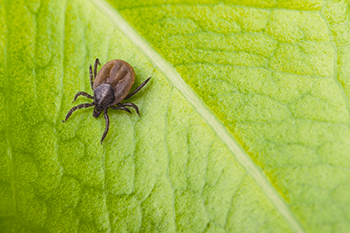
Ticks are small parasites that latch onto a host and feed on blood. During a meal, they can pass harmful bacteria and viruses directly into a dog’s bloodstream. Lyme disease gets most of the attention, but ticks carry several other infections that pet owners across the country should know about. These include Anaplasmosis, Ehrlichiosis, and Rocky Mountain Spotted Fever, three other common tick-borne diseases, among others. Anaplasmosis targets blood cells and frequently causes sudden lethargy and fever. Ehrlichiosis affects white blood cells and can cause persistent fatigue and, in severe cases, abnormal bleeding complications. Rocky Mountain Spotted Fever can affect multiple organ systems if left untreated and can develop quickly.

These tick-borne illnesses have different timelines and symptoms, but they share one key trait: catching them early makes treatment much easier. Understanding how each tick-borne disease develops in dogs helps owners catch it before serious problems start.

Faint Signs of Illness to Watch For

Signs of a tick-borne infection usually do not show up the day a bite happens. Symptoms often take anywhere from a few days to several weeks or even months to appear. Because the onset is gradual, it is easy to mistake early signs for simple tiredness, aging, or sore muscles after an active afternoon.

Joint pain is a classic indicator, and it regularly shifts from one leg to another, creating an intermittent limp. Other times, dogs just act “off.” Your dog might begin leaving their food in their bowl, lose interest in toys, be less interested in going for walks, or sleep far more than normal. Any change in your dog’s behavior is worth watching.

A high fever might prompt a dog to seek out cold kitchen tiles instead of their soft bed, or they may be panting more than normal. With conditions like Ehrlichiosis or Rocky Mountain Spotted Fever, you might also spot nosebleeds, small pinpoint bruises on the belly, gums or ears, or swollen lymph nodes under the jaw. Tracking any unusual behavior helps the veterinary team figure out what is going on much faster.

How and Where Dogs Pick Up Ticks

Ticks primarily live in tall grass, leaf piles, fallen brush, and wooded paths, but you can find them anywhere. They do not jump, fly, or drop from trees. Instead, they climb to the top of grass blades, stretch out their front legs, and wait for a carbon dioxide exhaling body to come along.

Even though tick activity peaks in spring and fall, ticks wake up and hunt whenever temperatures stay above freezing. Your pet does not need to trek through deep woods to come across one. Neighborhood yards, public parks, and groomed walking paths carry plenty of tick activity.

Dogs with long or dense fur provide great hiding spots for ticks, giving the parasites extra time to feed unnoticed and putting your dog at a higher risk of infection. Active outdoor dogs run into tick habitats more often, but even dogs that only step outside for quick bathroom breaks can pick up a tick on the way back inside.

How Do You Remove a Tick from a Dog Properly?

When you find a tick on your pet, getting it off quickly matters. But doing it the right way matters just as much. A common question the team hears is, “How do you remove a tick from a dog without breaking off the head?” The main goal is to pull the tick out completely without squeezing its body or leaving mouthparts behind in the skin.

Using fine-tipped tweezers is the most straightforward method:

  • Spread your dog’s coat so you can see the tick clearly against the skin.
  • Grab the tick with fine-tipped tweezers as close to the skin as you can get.
  • Pull straight upward with slow, steady pressure without twisting or jerking.

If you do not have fine-tipped tweezers on hand, specialized tick tools like tick hooks or tick keys work very well. These small tools slide under the tick’s body, letting you lift or spin the parasite free based on the tool’s design.

After removing a tick, you can drop it into a small container of rubbing alcohol to kill it, or place it in a sealed baggie to save and show your veterinarian. Sometimes your vet may want to see the tick to identify what diseases your pet could be at risk for. Gently clean the bite area with soap and water or an antiseptic wipe, then wash your hands.

Skip home remedies like applying nail polish, rubbing alcohol on the attached tick, petroleum jelly, or a lit match. These can lead to local skin reactions.

How Veterinarians Test for Tick Diseases

If you remove a tick, engorged or not, or notice signs of illness, bringing your pet to the vet clinic can help clarify what’s going on. During an exam, veterinarians check your dog from nose to tail, checking joint flexibility, feeling for swollen glands, and checking for a fever.

To screen for exposure to Lyme disease, Anaplasmosis, and Ehrlichiosis, a primary care veterinarian usually runs a simple blood test. This screening looks for antibodies your dog’s immune system built against the bacteria. Since antibodies take three to six weeks to build up, testing is often scheduled a few weeks after a bite or performed during your dog’s annual checkup. In more sudden illness, other tests for detection of bloodwork abnormalities, or specific tick disease panels can be submitted.

If a blood screen comes back positive or your dog shows active symptoms, full blood panels help assess organ function and blood platelet counts as well. In complex cases, primary care veterinarians may collaborate with specialty veterinarian teams to set up a full recovery plan, which usually involves targeted antibiotics.

What to Do After You Remove a Tick from Your Dog’s Skin

Once you remove a tick from your dog’s fur, you might notice a small red bump at the site. That small reaction is normal, much like a flea or mosquito bite, and typically fades within a few days.

Mark the date you found the tick on your phone or calendar, along with where it was located on your pet. Check the tick bite on your dog’s skin daily over the next week for swelling, redness, or discharge.

Keeping your pet on reliable tick preventatives once monthly, year-round, prescribed by a primary care veterinarian remains the strongest line of defense. Modern oral chews and topical treatments kill ticks quickly after they latch on, usually before disease transmission happens. Doing quick daily checks (focusing on hidden spots like under the collar, between toes, inside ear flaps, and around the groin) can catch stray ticks before they settle in.

When to Seek Prompt Veterinary Care

Finding an attached tick means you should remove it right away, but it does not automatically mean a trip to the emergency clinic. That said, certain warning signs require quick attention from a veterinarian.

Contact a clinic right away if you notice:

  • Sudden stiffness, limping, or reluctance to get up
  • Ffever, low energy, or refusal to eat
  • Mysterious bruising, blood from the nose, or pale gums
  • Swollen, warm, or painful joints
  • Increasing discharge, severe redness, or swelling around the bite
  • Tick mouthparts left stuck in the skin that you cannot remove

Keeping Your Companion Safe

Finding a tick on your dog can feel stressful, but swift removal and watchful waiting protect your pet’s health. Working closely with your primary care veterinarian on year-round prevention keeps your dog safe on every walk, trail, and backyard play session.

Could This Be Lyme? Limping, Lethargy and Fever After a Tick Bite

Observing Early Warnings: What Happens After a Tick Bite

Pet owners often worry about tick bites, but it can be hard to link a bite to symptoms that show up weeks later. Lyme disease in pets usually develops slowly, leading to small changes in behavior, energy, or movement long after the first tick bite.

Spotting early warning signs helps you act fast and get the right care before joint or organ problems get worse. This article covers how Lyme disease affects dogs and cats, what symptoms to look for at home, how vets diagnose it, and how year-round prevention can protect your pets.

What Is Lyme Disease in Pets?

Lyme disease is a bacterial illness caused by Borrelia burgdorferi, a spiral-shaped germ. Ticks pick up these bacteria when they feed on wild animals like mice found in the wilderness. If an infected blacklegged tick bites your pet, it can pass the bacteria into its bloodstream.

Transmission of the bacteria causing Lyme Disease happens over time, not immediately after being bitten. When a tick bites, it must stay attached and feed for about 24 hours before the bacteria can enter the pet’s body. This gives pet owners a vital window of opportunity to find and safely remove ticks before infection occurs.

While veterinarians regularly diagnose Lyme disease in dogs across the United States, Lyme disease in cats is much less common. Clinical studies indicate that cats may have a natural resistance that usually prevents severe clinical illness, but more research is needed to fully understand why they are less affected. Nonetheless, understanding how Lyme disease in pets develops is important for overall care in multi-pet homes.

Lyme Disease Symptoms Dogs and Cats May Display

Humans often get a red circular rash after a tick bite, but pets rarely show any marks on their skin. Instead, the infection affects them on the inside, mainly causing problems with their joints, energy, and overall comfort.

One of the most common signs of Lyme disease in dogs is limping that moves from one leg to another. For example, a dog might limp on its front left leg for a day or two, walk normally for a while, and then start limping on a back leg. This happens because the bacteria cause joint swelling that can move around the body. Other signs to watch for are:

  • Swollen, warm, or painful joints that cause hesitation when standing up or climbing stairs.
  • A clear decrease in energy, causing a dog to slow down on daily walks or avoid play.
  • Unexplained fever, which may present alongside shivering or prolonged sleeping.
  • Reduced appetite and general lethargy.
  • Swollen lymph nodes, particularly behind the knees or under the jaw.

Identifying Lyme disease symptoms in cats requires watching subtle changes in routine and behavior. A cat experiencing joint stiffness or fever may stop jumping onto high surfaces like countertops or windowsills. You may notice a cat hiding under beds or in closets, vocalizing when picked up, or displaying an unkempt coat because joint pain prevents normal grooming.

Environmental Factors and Annual Exposure Risks

Ticks like humid, shady places such as leaf piles, tall grass, wooded paths, and thick bushes. When pets walk through these areas, ticks can easily get onto their fur and look for a place to bite. Dogs that spend a lot of time outside are often exposed, but even city pets that visit parks or grassy spots can be at risk.

Many people think ticks are only a problem in summer, but tick safety matters year-round. Blacklegged ticks are active whenever it is above freezing. Early spring and late fall are peak times, and even mild winter days can bring out ticks.

Your pet’s lifestyle habits can increase or lower their risk of tick bites and Lyme disease. Hunting dogs, outdoor cats, and pets that explore off-leash in areas lined by woods (ie. city parks) encounter ticks more frequently. Indoor cats can also face secondary exposure if a dog or human carries an unattached tick into the home on fur or clothing.

How Primary Care Veterinarians Evaluate and Test for Lyme Disease

If you observe persistent stiffness, limping, or a drop in your pet’s energy, scheduling an evaluation with a primary care veterinarian is the best next step. The veterinary team performs a physical examination, feeling joint tissues for swelling or heat, checking body temperature, and evaluating lymph nodes.

To determine if an infection has occurred, your veterinarian will run general screening blood tests, as well as specialized blood tests. These antibody screenings test for immune responses induced by Borrelia burgdorferi.

An antibody test confirms exposure to the bacteria, but it doesn’t automatically mean an animal is currently sick. Veterinarians evaluate test results in conjunction with physical symptoms and medical history. If a pet tests positive for antibodies but remains energetic, eats well, and shows no joint pain, immediate medical treatment may not be required.

Our veterinary hospital is commonly asked if owners can contract Lyme disease from their pet. The answer is not directly. You cannot contract the infection through a pet’s saliva, scratches, or physical contact. However, a tick brought inside on a pet’s coat can migrate to a human host.

In very rare cases, dogs develop severe systemic complications, such as inflammatory kidney damage known as Lyme nephritis; in these cases, your primary care veterinarian may collaborate with specialists at a specialty veterinary hospital. Advanced diagnostic tests, urine protein measurements, and dedicated treatment plans help manage these more complex cases effectively for the best outcome. Hospitalization is often needed due to the severity of the condition.

What Pet Owners Can Do Right Now

The best way to protect your pet from tick-borne illness is to prevent tick bites. Regular at-home prevention keeps your pet safe and lets them enjoy the outdoors.

  • Year-round tick preventives are very important. These come as oral chewables, topical treatments, and preventive collars, which offer protection when used consistently. Prescription medications work best and have the fastest rate of tick kill once a tick attaches to your pet’s body. Primary care veterinarians can recommend and prescribe the appropriate type based on your pet’s age, weight, lifestyle, and who lives in the home.
  • Perform tick checks daily after outdoor activities. The best way to do this is to carefully run your hands over your pet’s coat. Pay close attention to hidden spots such as inside the ears, under the collar, around the armpits, between the toes, and near the tail.
  • Learn safe tick removal, or ask a professional for help if you’re unsure how to remove a tick from your pet. Use fine-tipped tweezers to grasp the tick as close to the skin surface as possible. Pull straight upward with steady, gentle pressure. Avoid twisting, squeezing, or applying heat or oils, as these actions can cause the tick to release bacteria into the skin.
  • Keep a simple log of your pet’s symptoms. Write down when you notice changes, like your dog slowing down on walks or your cat skipping meals. These notes help your vet make a better diagnosis.

When to Seek Immediate Veterinary Care

Seeing your vet quickly can stop mild problems from turning into something serious. Call your vet if you notice any of these warning signs:

  • Persistent or shifting limping lasting longer than 24 hours.
  • Sudden, extreme lethargy accompanied by warmth or shivering.
  • Complete refusal to eat or drink for more than a day.
  • Visible swelling, heat, or tenderness in one or more joints.
  • Finding an attached, engorged tick on a pet that is acting lethargic or unwell.

When Lyme disease is diagnosed early, standard antibiotic therapy usually leads to rapid recovery and a very good prognosis. Most pets show big improvement in joint pain, fever, and energy levels within 24 to 48 hours of starting treatment.

Your Pet’s Long-Term Health around Ticks

By being proactive, using tick prevention, and watching for subtle behavior changes, you can keep your pets healthy and active year-round. If you suspect your pet has been bitten by a tick or notice signs of joint discomfort, contact your primary care veterinarian to discuss screening and preventive care options.

×