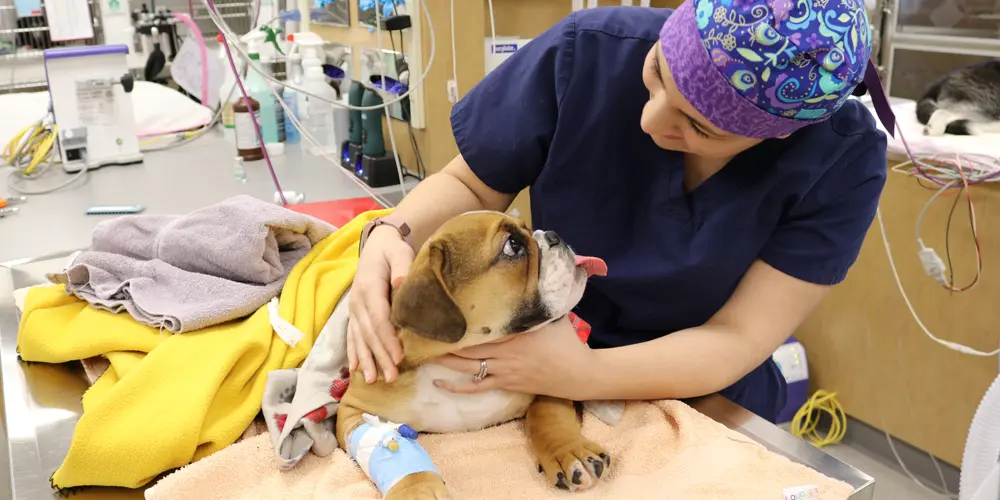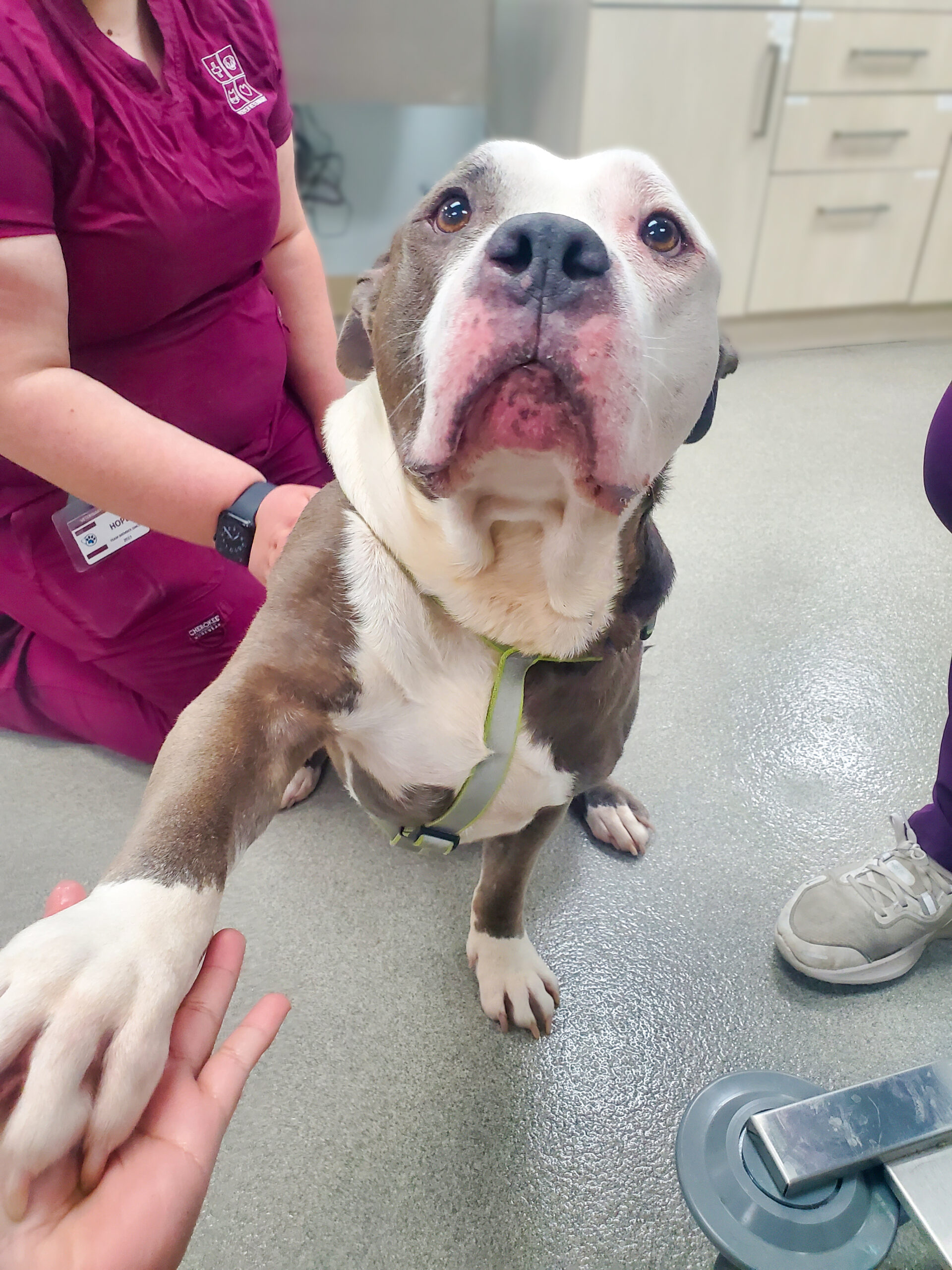
When a dog swallows a sock or toy, or a cat swallows string or ribbon, the situation can become serious very quickly. Foreign objects can become lodged in the stomach or intestines, causing an obstruction that may require emergency surgery.

At Pieper Veterinary, our Emergency and Specialty teams provide advanced diagnostics and emergency surgery for pets experiencing intestinal blockages and other foreign body emergencies.

In this guide, you’ll learn:

  • Common signs of intestinal blockage in dogs and cats
  • What causes foreign body emergencies
  • What happens during foreign body surgery
  • What recovery looks like
  • When to seek emergency veterinary care in Connecticut

Think your pet swallowed something they shouldn’t have? Contact Pieper Veterinary immediately or visit one of our emergency hospitals for evaluation.

What Are the Signs of an Intestinal Blockage in Dogs and Cats?

Early symptoms can be subtle, and many pets initially seem only mildly uncomfortable.

Dog Swallowed Object Symptoms

Common signs include:

  • Repeated vomiting or dry heaving
  • Loss of appetite
  • Lethargy or unusual withdrawal
  • Abdominal pain or bloating
  • Diarrhea or inability to pass stool
  • Excessive drooling
  • Restlessness
  • Gagging or coughing

Cat Swallowed String Symptoms

Cats that ingest string, ribbon, hair ties, or tinsel may show:

  • Vomiting
  • Decreased appetite
  • Hiding
  • Drooling
  • Pawing at the mouth
  • Abdominal discomfort
  • Changes in bowel movements

These symptoms may indicate an intestinal blockage, which can become life-threatening if left untreated.

If your pet is vomiting repeatedly or you suspect they swallowed a foreign object, seek emergency veterinary care immediately.

Why Do Pets Swallow Foreign Objects?

Foreign body ingestion is one of the most common surgical emergencies seen in veterinary medicine.

Pets at increased risk include:

  • Puppies and young dogs
  • Pets that chew or eat non-food items
  • Cats attracted to string-like objects
  • Pets experiencing boredom or anxiety

Common Items Removed During Foreign Body Surgery

  • Socks and underwear
  • Children’s toys
  • Corn cobs and bones
  • Hair ties and rubber bands
  • String, ribbon, and tinsel
  • Pieces of fabric or blankets

Some foreign objects pass naturally. Others become lodged in the gastrointestinal tract, causing:

  • Intestinal obstruction
  • Loss of blood flow to the intestines
  • Tissue damage
  • Perforation of the stomach or intestines
  • Severe infection

Does My Pet Need Surgery if They Swallowed Something?

Not every swallowed object requires surgery.

Some cases can be managed with:

  • Monitoring
  • Inducing vomiting when appropriate
  • Endoscopic retrieval
  • Supportive care

However, surgery may be necessary if:

  • The object cannot pass on its own
  • An obstruction is present
  • The object is sharp or toxic
  • There is evidence of intestinal damage
  • Your pet is becoming progressively ill

Because symptoms can worsen quickly, prompt evaluation is essential.

If you’re unsure whether your pet needs emergency care, it’s always safest to have them examined.

What Happens During Foreign Body Surgery?

At Pieper Veterinary, our Emergency and Specialty teams work quickly to diagnose and treat gastrointestinal obstructions.

Diagnosis and Pre-Surgical Care

Your veterinarian may recommend:

  • A physical examination
  • Abdominal X-rays
  • Ultrasound imaging
  • Bloodwork to evaluate hydration and organ function
  • Intravenous fluids and supportive care

Once a diagnosis is made, we’ll discuss:

  • Treatment recommendations
  • Surgical options
  • Potential risks
  • Expected recovery and prognosis

Our goal is to ensure you understand every step of your pet’s care.

The Surgical Procedure

Foreign body surgery generally involves:

  1. Safely placing your pet under anesthesia
  2. Making an incision into the abdomen
  3. Locating the obstruction
  4. Removing the foreign material from the stomach or intestines
  5. Assessing surrounding tissue for damage
  6. Repairing and closing the surgical site

Throughout the procedure, our surgical and anesthesia teams closely monitor your pet’s safety and comfort.

What Is Recovery Like After Foreign Body Surgery?

Most pets begin feeling better within 24 to 48 hours following surgery.

Recovery typically includes:

  • Hospitalization and monitoring
  • Pain management
  • Intravenous fluids
  • Gradual reintroduction of food
  • Temporary activity restriction

At home, monitor for:

  • Vomiting
  • Decreased appetite
  • Lethargy
  • Diarrhea
  • Redness, swelling, or discharge at the incision site

You’ll receive detailed discharge instructions and follow-up recommendations before your pet goes home.

Questions during recovery? Our team is here to support you every step of the healing process.

How Can I Prevent My Pet From Swallowing Foreign Objects?

While accidents happen, these steps can help reduce the risk:

  • Keep laundry and small items out of reach
  • Secure trash cans
  • Supervise pets during playtime
  • Choose appropriately sized chew toys
  • Avoid leaving string, ribbon, or tinsel accessible
  • Provide enrichment activities to reduce boredom

Early prevention can help avoid an emergency and potentially lifesaving surgery.

When Should I Go to the Emergency Vet for a Swallowed Object?

Seek emergency veterinary care immediately if:

  • You witnessed your pet swallow an object
  • Your pet cannot keep food or water down
  • Vomiting becomes frequent
  • Your pet appears painful or bloated
  • Your pet becomes lethargic or collapses
  • You suspect your cat swallowed string or ribbon

Even small objects can quickly become dangerous.

At Pieper Veterinary, our Emergency and Specialty teams provide advanced diagnostics and emergency surgery for pets throughout Connecticut.

Frequently Asked Questions

Can a dog survive an intestinal blockage without surgery?

Some partial obstructions can resolve without surgery, but many blockages become life-threatening if left untreated. Prompt veterinary evaluation is essential.

How long can a dog live with an intestinal blockage?

Some pets can become critically ill within one to two days. Waiting to seek treatment increases the risk of complications.

Is string dangerous for cats?

Yes. String, ribbon, and tinsel can cause severe intestinal injury and often require emergency treatment.

How much does foreign body surgery cost?

Costs vary depending on the object, the severity of the obstruction, and whether complications are present. Your veterinary team will discuss treatment recommendations and provide an estimate before proceeding whenever possible.

Emergency Foreign Body Care in Connecticut

Foreign body emergencies are overwhelming, but you don’t have to navigate them alone.

At Pieper Veterinary, we provide:

  • Advanced emergency diagnostics
  • Emergency and specialty surgical care
  • Experienced anesthesia and critical care teams
  • Compassionate guidance and support throughout recovery

If your dog swallowed an object or your cat swallowed string, don’t wait for symptoms to worsen. Contact Pieper Veterinary or visit one of our Connecticut emergency locations for immediate evaluation.

Is It Too Hot to Walk Your Dog? How to Prevent Paw Pad Burns This Summer

We’ve all stepped onto hot pavement or sand and immediately wanted shoes. Your pet experiences that same discomfort.

Although paw pads are durable, they are not heatproof. During the summer, hot pavement, asphalt, sand, and metal surfaces can quickly become hot enough to cause painful burns.

At Pieper Veterinary, our teams see heat-related injuries every summer, including painful paw pad burns that can make it difficult for pets to walk and may require veterinary treatment.

In this guide, we’ll cover:

  • How hot pavement affects your dog’s paws
  • Signs of paw pad burns
  • How to tell if it’s too hot to walk your dog
  • First aid for burned paws
  • Ways to prevent paw injuries and overheating

Think your pet may have burned their paws? Contact Pieper Veterinary or have your pet evaluated by a veterinarian as soon as possible.

Can Hot Pavement Burn a Dog’s Paws?

Yes.

Paw pads may be tough, but they’re made of living tissue and can be damaged by extreme temperatures.

On sunny days, asphalt and concrete can become significantly hotter than the surrounding air. On a 90°F day, pavement temperatures can exceed 130°F, which can cause burns in a matter of seconds.

Other surfaces that can become dangerously hot include:

  • Sand
  • Artificial turf
  • Metal truck beds
  • Decking and patios
  • Sun-exposed car seats
  • Blacktop parking lots

Because pets cannot tell us when the ground is hurting them, it’s important to recognize when surfaces may be unsafe.

Is It Too Hot to Walk My Dog?

A good rule of thumb is the “10-Second Test.”

Place the back of your hand on the pavement for 10 seconds.

If it’s uncomfortable for you, it’s too hot for your pet.

During very hot weather, it’s safest to:

  • Walk early in the morning
  • Wait until later in the evening
  • Choose shaded or grassy routes
  • Limit time on pavement and asphalt

When temperatures are high, changing your walk schedule can help prevent painful burns and reduce the risk of heatstroke.

What Are the Signs the Ground Is Too Hot for My Dog?

Some dogs continue walking despite discomfort because they want to stay with their owners.

Watch for signs such as:

  • Rapidly lifting or “dancing” paws
  • Pulling toward grass or shade
  • Hesitating to walk
  • Frequently stopping
  • Refusing to continue walking
  • Licking their paws during or after walks

These behaviors may indicate that the surface is too hot.

What Are the Signs of Paw Pad Burns?

Dog paw burns signs may include:

  • Red or darkened paw pads
  • Blisters
  • White or discolored areas
  • Limping
  • Reluctance to walk
  • Excessive licking or chewing at the feet
  • Missing pieces of paw pad tissue
  • Sensitivity when the paws are touched

Even mild burns can be painful and may become infected if left untreated.

If you notice any of these signs, contact your veterinarian for guidance.

How Do I Know if My Dog Has Burned Paws?

You may notice symptoms shortly after a walk or outdoor activity.

Your dog may:

  • Walk differently
  • Refuse to stand
  • Hold up a paw
  • Lick their feet excessively
  • Appear painful when walking on hard surfaces

Checking the paw pads for redness, blistering, or peeling can help determine whether a burn has occurred.

How Can I Prevent Paw Pad Burns and Overheating?

A few simple precautions can make summer much safer.

Walk During Cooler Parts of the Day

Early morning and evening walks help limit heat exposure.

Choose Grass and Shaded Areas

Grass typically remains much cooler than pavement and asphalt.

Keep Pets Indoors During Extreme Heat

Air conditioning and fans can help keep pets comfortable and reduce the risk of heat-related illness.

Provide Plenty of Fresh Water

Hydration supports normal body temperature regulation.

Never Leave Pets in Cars

Vehicle temperatures rise rapidly, even with windows cracked.

Cool Vehicle Surfaces Before Letting Pets Inside

Truck beds, seats, and cargo areas can become hot enough to cause burns.

Consider Protective Booties

Dog booties may help protect paws during hikes or situations where hot surfaces cannot be avoided.

What Should I Do if My Dog Burned Their Paws?

Immediate first aid may help reduce pain and minimize further injury.

Burned Dog Paw Treatment: First Aid Steps

  1. Move your pet to a cool area.
  2. Rinse the paws with cool—not ice-cold—water.
  3. Avoid applying human creams or medications unless directed by your veterinarian.
  4. Restrict activity and keep the paws clean.
  5. If there is an open wound, temporarily cover the foot with a clean sock when going outside.
  6. Contact your veterinarian for an examination and treatment recommendations.

Severe burns, open wounds, or signs of infection should always be evaluated by a veterinarian.

When Should I Seek Veterinary Care for Paw Pad Burns?

Seek veterinary care if your pet:

  • Is limping
  • Refuses to walk
  • Has blistering or peeling paw pads
  • Has open wounds
  • Is excessively licking their paws
  • Appears painful
  • Is showing signs of overheating or heatstroke

Prompt treatment can help relieve pain, prevent infection, and support proper healing.

Summer Pet Safety in Connecticut

At Pieper Veterinary, we’re committed to helping pets stay safe during Connecticut’s hottest months.

Paw pad burns are painful, but they’re also largely preventable with a few simple precautions and an awareness of surface temperatures.

If you’re concerned your pet may have burned their paws or is showing signs of heat-related illness, our team is here to help.

Need advice or concerned about your pet’s paws? Contact Pieper Veterinary to speak with our team or seek veterinary care if your pet is showing signs of injury or distress.

Dog Swimming Safety Tips: Keeping Pets Safe Around Water This Summer

Summer is the perfect time for pool days, lake trips, and beach adventures. While many pets enjoy the water, even experienced swimmers can face unexpected dangers.

Currents, fatigue, accidental falls, and water inhalation can quickly turn a fun outing into an emergency.

At Pieper Veterinary, our Emergency teams see water-related emergencies every summer. Understanding common hazards and knowing when to seek veterinary care can help keep your pet safe.

In this guide, you’ll learn:

  • Dog swimming safety tips
    • Signs of near drowning and water aspiration
    • What to do if your dog swallowed water while swimming
    • Common water hazards for pets
    • When to seek emergency veterinary care

If your pet is having difficulty breathing, coughing persistently after swimming, or seems unusually tired, seek veterinary care immediately.

Are Dogs Natural Swimmers?

Not always.

Some dogs love the water and swim naturally, while others may feel anxious, tire quickly, or struggle to stay afloat.

Even strong swimmers can become overwhelmed by:

  • Fatigue
  • Strong currents
  • Rough waves
  • Cold water
  • Sudden drop-offs

Cats may also accidentally fall into pools, ponds, or lakes and can quickly become distressed.

Never assume your pet automatically knows how to swim safely.

How Do I Introduce My Dog to Swimming?

Start slowly and let your pet build confidence at their own pace.

Dog Swimming Safety Tips

  • Begin in shallow, calm water
  • Support your pet’s chest and abdomen
  • Keep initial sessions brief
  • Use positive reinforcement
  • Allow your pet to exit the water whenever they choose
  • Never force a fearful pet into the water

Creating positive experiences helps reduce fear and decreases the risk of panic.

Should My Dog Wear a Life Jacket?

In many situations, yes.

A properly fitted life vest adds an important layer of safety.

Life jackets are especially recommended for:

  • Puppies
  • Senior pets
  • Flat-faced breeds such as Bulldogs and Pugs
  • Pets with orthopedic or mobility concerns
  • Pets new to swimming
  • Boating, kayaking, and paddleboarding activities
  • Swimming in lakes, rivers, or oceans

Choose a life jacket with:

  • A secure fit
  • Adjustable straps
  • Bright coloring for visibility
  • A sturdy top handle for lifting

Even excellent swimmers can become tired unexpectedly.

What Water Hazards Should Pet Owners Know About?

Strong Currents and Waves

Fast-moving rivers and rough surf can quickly overwhelm pets.

Always:

  • Stay close to shore
  • Check local conditions
  • Avoid unfamiliar waters
  • Keep pets within easy reach

Pools and Docks

Pets can accidentally fall into pools or become trapped.

To reduce risk:

  • Never leave pets unsupervised
  • Fence pools whenever possible
  • Teach dogs where pool exits are located
  • Avoid slippery docks and steep banks

Blue-Green Algae

Blue-green algae, also called cyanobacteria, can be extremely dangerous and potentially fatal if ingested.

Avoid water that:

  • Appears discolored
  • Has a film or scum on the surface
  • Has a foul odor

If your pet may have been exposed, seek veterinary care immediately.

Fishing Equipment

Fishing gear presents several hazards:

  • Hooks can become lodged in the mouth, throat, or paws
  • Fishing line can cause entanglement and injury
  • Bobbers can become choking hazards

Do not attempt to remove hooks or fishing line yourself.

Seek emergency veterinary care immediately.

What Happens If My Dog Swallowed Water While Swimming?

Many dogs swallow small amounts of water while swimming without developing complications.

However, consuming or inhaling excessive amounts of water can become dangerous.

Potential concerns include:

  • Water aspiration into the lungs
  • Respiratory distress
  • Electrolyte imbalances
  • Water intoxication in rare cases

Monitor your pet carefully after swimming.

What Are the Signs of Near Drowning in Dogs?

A near-drowning event occurs when a pet survives being submerged but may still develop serious complications afterward.

Dog near drowning symptoms may include:

  • Persistent coughing
  • Rapid breathing
  • Labored breathing
  • Weakness
  • Excessive tiredness
  • Pale or bluish gums
  • Collapse
  • Confusion

Symptoms may not always occur immediately.

Any pet showing breathing changes after a water incident should be evaluated by a veterinarian as soon as possible.

Can Dogs Develop Secondary Drowning?

Secondary drowning in dogs refers to delayed respiratory complications that can occur after water has been inhaled into the lungs.

Inflammation and fluid accumulation may develop over time.

Symptoms can include:

  • Persistent coughing
  • Increased respiratory effort
  • Rapid breathing
  • Lethargy
  • Weakness
  • Decreased appetite

Because symptoms may develop after the initial event, continued observation is important.

If your dog develops coughing, breathing difficulty, or unusual fatigue after swimming, seek emergency veterinary care immediately.

What Should I Do if My Dog Has a Water Emergency?

Seek veterinary care immediately if your pet:

  • Inhaled water
  • Has persistent coughing
  • Is having difficulty breathing
  • Appears unusually tired
  • Collapsed
  • Was submerged underwater
  • Ingested blue-green algae
  • Was injured by fishing equipment
  • Develops vomiting or diarrhea after swimming

Water-related emergencies can worsen quickly, and prompt treatment may be lifesaving.

How Can I Keep My Pet Safe Around Water?

Simple precautions can make summer adventures much safer.

Supervise Constantly

Never leave pets unattended around pools, lakes, rivers, or beaches.

Use Life Jackets

Life jackets provide additional safety, particularly in deep or moving water.

Allow Frequent Breaks

Swimming is physically demanding and can lead to fatigue.

Provide Fresh Drinking Water

Having fresh water available reduces the likelihood of drinking excessive amounts of pool, lake, or ocean water.

Rinse After Swimming

Rinse your pet with clean water after swimming to remove:

  • Chlorine
  • Salt
  • Algae
  • Sand and debris

Know Your Emergency Plan

Save the location and phone number of your nearest emergency veterinary hospital before heading out for summer adventures.

Enjoy Safe Water Adventures This Summer

Swimming and water activities can be wonderful enrichment for pets when proper precautions are taken.

Preparation, supervision, and recognizing the signs of an emergency can help keep your pet safe around pools, lakes, rivers, and beaches.

At Pieper Veterinary, our Emergency teams are here when unexpected situations arise.

If your pet is coughing after swimming, appears fatigued, or is showing signs of a water-related emergency, contact Pieper Veterinary or visit one of Connecticut’s emergency locations immediately.

Heatstroke in pets is a life-threatening emergency that can develop in minutes.

Unlike people, dogs and cats cannot regulate their body temperature as efficiently. Dogs primarily cool themselves by panting, and cats have limited ways to dissipate heat. When temperatures rise too high, their bodies can quickly become overwhelmed.

Without prompt treatment, heatstroke can lead to organ damage, blood clotting abnormalities, and even death.

At Pieper Veterinary, our Emergency teams treat heat-related emergencies every summer. Recognizing the warning signs and acting quickly can save your pet’s life.

In this guide, you’ll learn:

  • Signs of heatstroke in dogs and cats
  • What to do if your dog has heatstroke
  • Which pets are most at risk
  • How to prevent heat-related emergencies
  • When to seek emergency veterinary care

Think your pet may be overheating? Contact Pieper Veterinary or head to your nearest emergency location immediately.

What Is Heatstroke in Dogs and Cats?

Heatstroke occurs when a pet’s body temperature rises to a dangerous level and they can no longer cool themselves effectively.

Normal body temperature for dogs and cats generally ranges between 100°F and 102.5°F.

While elevated temperatures above normal can be concerning, heatstroke is generally diagnosed when a pet’s body temperature reaches approximately 105.8°F or higher and is accompanied by signs of neurologic dysfunction.

Without rapid intervention, heatstroke can cause:

  • Organ failure
  • Gastrointestinal injury
  • Kidney damage
  • Abnormal blood clotting
  • Shock
  • Death

Heatstroke is always considered a medical emergency.

What Causes Heatstroke in Pets?

Common causes include:

  • Being left in a parked car, even for a few minutes
  • Excessive exercise during warm weather
  • High humidity
  • Limited access to water
  • Lack of shade outdoors
  • Strenuous activity during the hottest parts of the day

Even temperatures that seem moderate can become dangerous, especially when humidity is high.

What Are the Signs of Heatstroke in Dogs?

Recognizing symptoms early can make all the difference.

Early Dog Heatstroke Symptoms

  • Excessive panting
  • Increased drooling
  • Restlessness
  • Weakness or lethargy
  • Vomiting
  • Mild diarrhea
  • Seeking cool surfaces

These signs indicate that your pet is struggling to regulate their body temperature.

Advanced Signs of Heatstroke in Dogs

  • Profuse vomiting or diarrhea
  • Collapse or inability to stand
  • Confusion or disorientation
  • Bright red or pale gums
  • Tremors
  • Seizures
  • Unresponsiveness

These signs indicate a medical emergency.

If your pet is collapsing, having seizures, or appears mentally altered, seek emergency veterinary care immediately.

Can Cats Get Heatstroke?

Yes. Although less common than in dogs, heatstroke in cats can occur and can be equally serious.

Signs of heatstroke in cats may include:

  • Panting
  • Drooling
  • Weakness
  • Vomiting
  • Rapid breathing
  • Lethargy
  • Collapse

Cats often hide signs of illness, so any evidence of overheating should be taken seriously.

What Should I Do If My Dog Has Heatstroke?

If you suspect heatstroke, begin first aid immediately while arranging emergency veterinary care.

Step 1: Move to a Cool Area

Bring your pet indoors, into shade, or into an air-conditioned environment.

Step 2: Start Cooling Gradually

Use cool—not ice-cold—water.

Focus on:

  • Belly
  • Paws
  • Armpits
  • Groin area

Use fans if available to promote cooling.

Step 3: Offer Small Amounts of Water

If your pet is alert and able to swallow normally, offer small amounts of water.

Do not force your pet to drink.

Do not offer water if they appear mentally altered or are unable to swallow safely.

Step 4: Seek Emergency Veterinary Care Immediately

Even if your pet appears to improve, internal injuries may still be occurring.

Heatstroke requires veterinary evaluation and monitoring, even when symptoms seem to resolve.

What Should I NOT Do If My Dog Has Heatstroke?

Avoid the following:

  • Do not use ice baths
  • Do not cover your pet with ice packs
  • Do not apply rubbing alcohol
  • Do not force water
  • Do not wait to see if symptoms improve

Cooling too rapidly can cause additional complications and delay appropriate treatment.

Which Pets Are Most at Risk for Heatstroke?

Some pets are more vulnerable than others.

Higher-risk pets include:

  • Brachycephalic breeds, including Bulldogs and Pugs
  • Senior pets
  • Overweight pets
  • Pets with heart disease
  • Pets with respiratory disease
  • Thick-coated breeds
  • Very young puppies and kittens

These pets may develop heat-related illness more quickly than others.

When Should I Go to the Emergency Vet for Heatstroke?

Seek emergency veterinary care immediately if your pet has:

  • Vomiting or diarrhea
  • Weakness or collapse
  • Confusion or disorientation
  • Seizures
  • Persistent heavy panting
  • Difficulty breathing
  • Unresponsiveness

Heatstroke can worsen rapidly. Minutes matter.

At Pieper Veterinary, our Emergency teams are available to evaluate and treat heat-related emergencies and provide advanced supportive care when needed.

How Can I Prevent Heatstroke in Dogs and Cats?

Fortunately, many cases of heatstroke are preventable.

Never Leave Pets in Parked Cars

Vehicle temperatures can become dangerous within minutes.

Walk During Cooler Parts of the Day

Choose early morning or late evening walks whenever possible.

Provide Fresh Water

Ensure your pet always has access to clean drinking water.

Avoid Hot Pavement

Hot surfaces can cause burns and contribute to overheating.

Limit Strenuous Activity

Reduce exercise during hot and humid weather.

Provide Shade Outdoors

Pets should always have access to shaded areas and cool environments.

Simple precautions can dramatically reduce the risk of heat-related emergencies.

Heatstroke Is Preventable

Every summer, veterinary emergency hospitals treat pets suffering from preventable heatstroke.

The good news is that awareness and prompt action can make all the difference.

Recognizing the early signs of overheating, taking immediate action, and seeking veterinary care quickly can save your pet’s life.

Emergency Heatstroke Care in Connecticut

If you’re worried your pet may be overheating, don’t wait.

At Pieper Veterinary, our Emergency teams provide compassionate, advanced care for pets experiencing heat-related emergencies throughout Connecticut.

If your pet is showing signs of heatstroke, contact Pieper Veterinary or visit one of our emergency hospitals immediately. Prompt treatment can be lifesaving.

×