22 Amazing Holiday Pet Gifts Recommended by Pieper Staff

It’s time for holiday shopping! Looking for the perfect gift for the pets and pet lovers in your life? We asked our staff members to recommend their favorite pet products that they’ve personally tried and loved. Here are over 20 of our top picks!

Stylish and Practical Gear for your Dog

gifts_1s

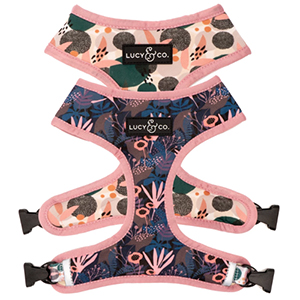
Lucy & Co has you covered when it comes to bandanas, harnesses, leashes, collars, and coats for your pup in a variety of beautiful colors and patterns, including natural rope and leather. Fashionable as well as practical!

They are cute, comfortable, secure, and reversible!


Tasty Treats that Help Keep Teeth Clean

gifts2s

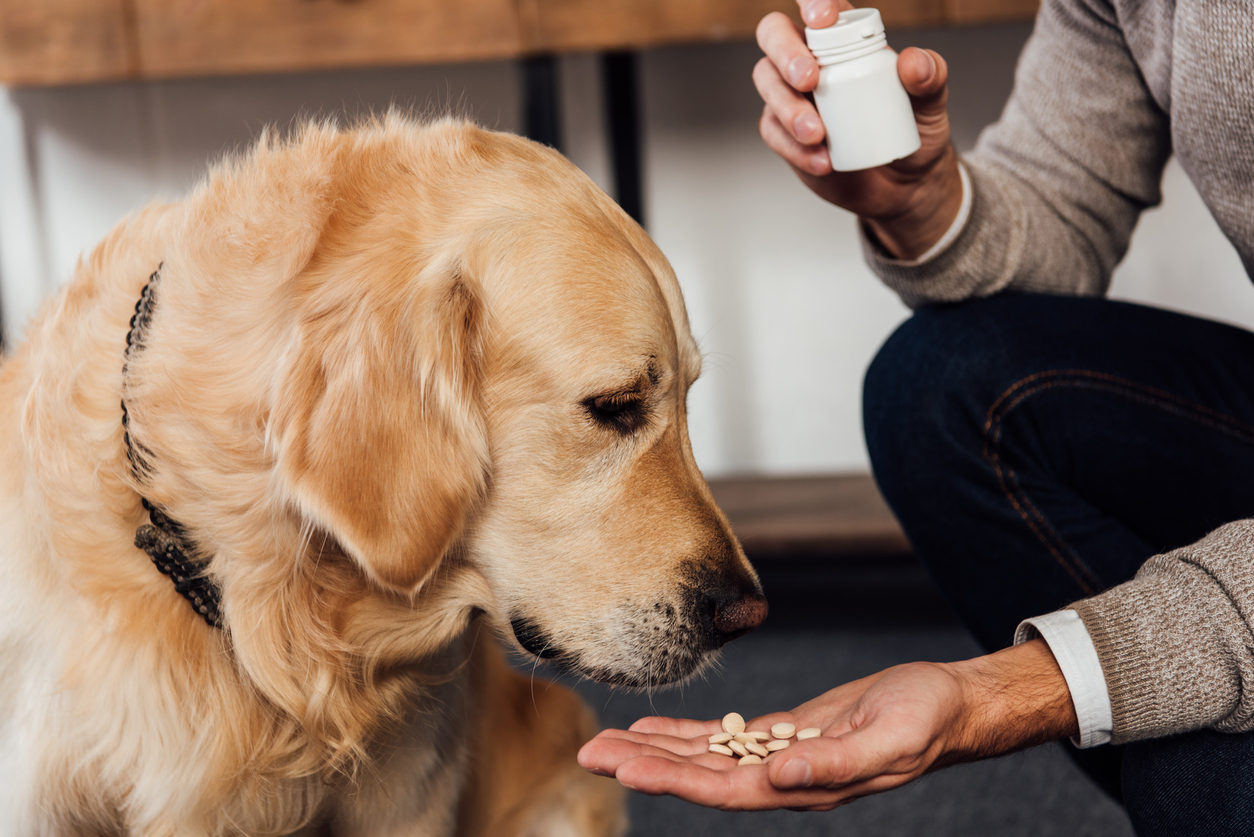
If you’re looking for a chew that your dog will love in addition to being good for their teeth, check out Pedigree Dentastix Dental Treats. In addition to being a fun reward, these delicious dental chews can help freshen breath, clean teeth, and even reduce tartar.

“I give one to each of my dogs every night before bed and they hang out by the room we keep them in in anticipation. Plus, they are good for their teeth!”


An Easy Way to Help your Dog Eat Calmly

gifts3s

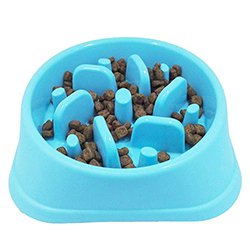
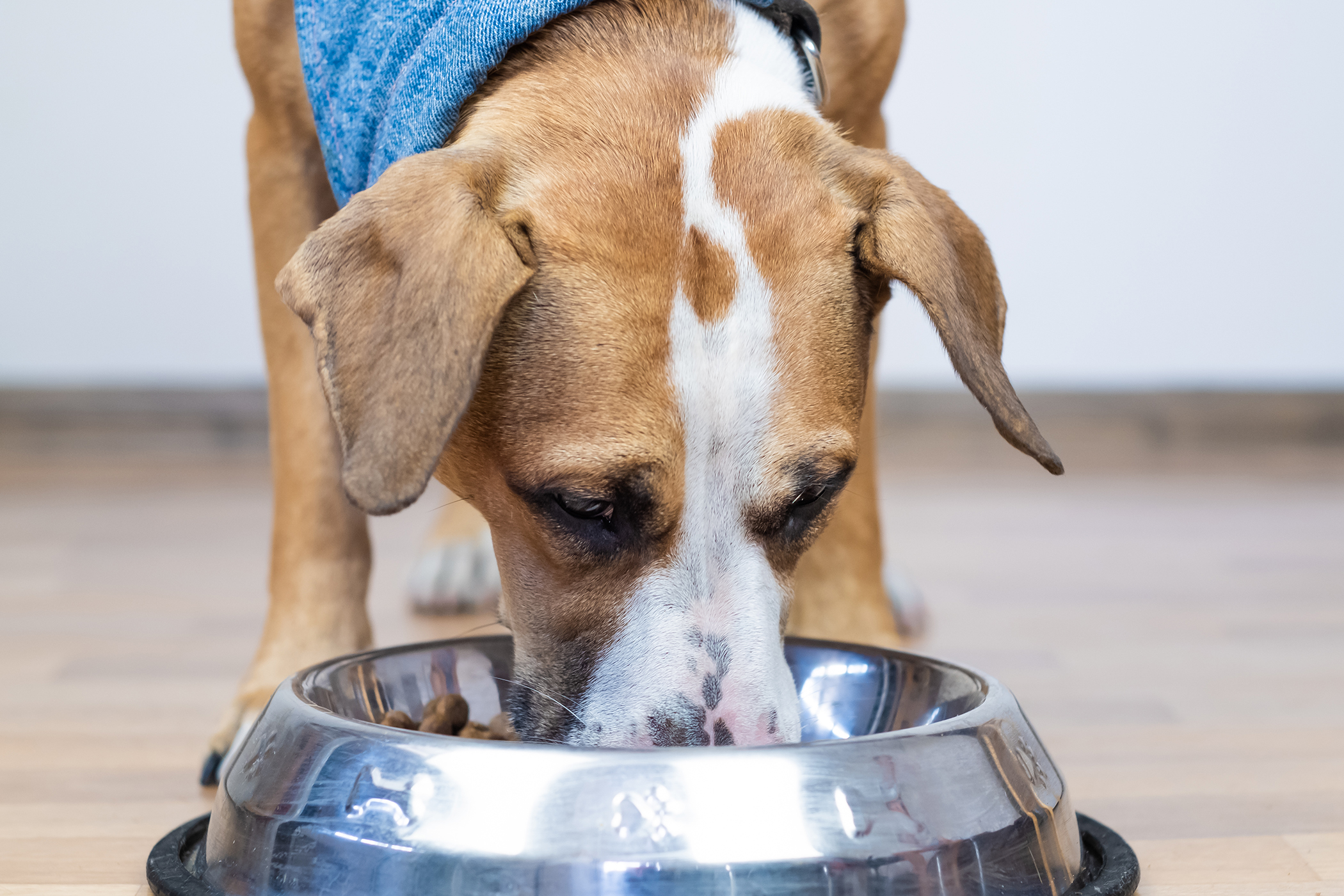
The JASGOOD Slow-Eating Food Bowl is a simple and effective solution for dogs who gulp down their food too fast! In addition to providing mental enrichment, it can also help by reducing choking and gas that might come from swallowing food too quickly.

Our new puppy is so excited about food, this makes her slow down and eat her food without inhaling it.”


A Genius Toy to Keep your Cats Entertained

gifts4s

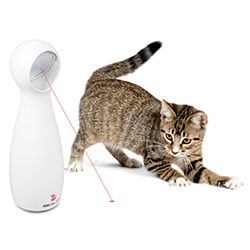
The Bolt Automatic Laser Cat Toy is a hands-free toy that provides great exercise and stimulation for your cat, and is as easy for you as pushing a button! It also includes an automatic shut-off after 15 minutes so your cat doesn’t get too overstimulated from playing.

“Keeps my kitties entertained while I am making dinner after a long shift.”


A Simple and Important Tool for Keeping your House Pet-Safe

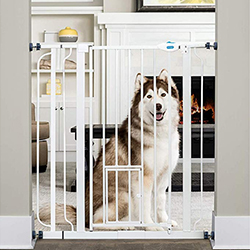
The Carlson Extra Tall Walk-Through Pet Gate is easy install, adjustable, and extra tall, and includes a locking cat door for making sure you can control where any of your pets go. Gates are incredibly useful for potty training, controlling chewing and destructive behavior, and giving your pets a safe space during busy times or holidays.

“A total game changer for keeping my litterbox-diving dog out of the cat box area.  Also great for keeping both canine and feline companions from bolting out open doors!”


An Extra-Tough Toy for Playful Power-Chewers

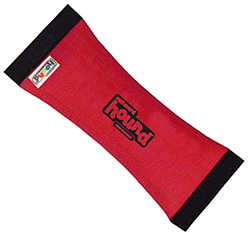
If your dog loves to destroy toys, look no further than the Kyjen Hard Core FireHose Squeak n’ Fetch. This fun squeaky toy is made from the same material as firehoses – perfect for those extra-tough chewers!

Remarkably durable;  Great for destructive pups that still love soft toys.”


An Engaging and Fun Toy to Bring out the Hunter in your Cat

gifts7s

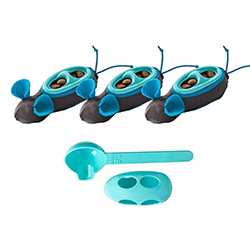
These colorful springs are irresistable to cats who love to “hunt” their toys – they bounce, roll, and twist whenever they are touched! Tamu-style Cat Spring Toys are great for both physical and mental exercise for your kitty.


Cute and Colorful Catnip Toys for Sushi-Lovers Everywhere

gifts8s

If your cat likes catnip, they will love these adorable and unique Munchiecat Sushi Toys. Plus choose from different fun shapes like nigiri, mako, and tamago rolls!


An Essential tool for Playing Fetch with your Dog

gifts9s_2

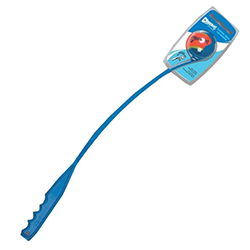
A must-have for dogs who love to fetch! The ChuckIt! Sport Launcher is durable and lightweight, and it allows you to throw balls farther and easier than ever. Great for both your arm, and for entertaining your dog.

“Perfect for those pups who love to run and will go long distance!”


A Unique, Vet-Designed Way of Feeding and Engaging your Cat

gifts10s

Designed by veterinarians, this unique cat feeder lets cats “hunt” for their food and safely use their natural instincts. Doc & Phoebe’s Indoor Hunting Cat Feeder keeps cats busy and entertained while also limiting the amount of food – perfect for kitties on a diet.

“Allows cats to hunt for their food naturally which gives them both environmental enrichment and decreases food consumption. This is what my cats are getting this year!”


A Genius Toy to Keep your Dog Quietly Entertained

gifts11s

If you’re not a fan of the sound of constant squeaking, you may want to buy the Hear Doggy! Ultrasonic Squeaker Toy. This reinforced toy squeaks at a pitch so high that people can’t hear it – but dogs love it! Keeps your dog entertained while giving you some peace and quiet.


Comfortable Dog Beds that can Stand up to Chewing and Digging

gifts12s

For dogs who like to dig, chew, or shred their bedding, look no farther than K9 Ballistics Dog Beds. These beds, blankets, and mats are ultra-durable – They come in many different shapes and styles, including orthopedic and outdoor.

“This is the only bed I allow in my home!  The others were getting shredded……. Its virtually chew proof, machine washable cover and my dogs love them.  I buy the orthopedic one.”


A Tough and Stylish Scratching Post your Cat will Love

gifts13s

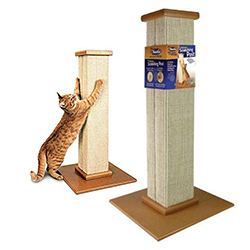
Every cat needs a scratching post! In addition to being extra durable and providing your cat a place to appropriately sharpen their nails, the attractive design of the SmartCat Pioneer Pet Ultimate Scratching Post means it can fit in with any room.

It’s sturdy enough for them to really scratch and climb, plus they fit in well with the living room furniture.”


A Simple Toy to Keep your Dog Entertained for Hours

gifts14s

Food puzzles like the Omega Paw Tricky Treat Ball are excellent for bored or fast-eating dogs, and can keep them entertained while also providing mental exercise and enrichment.

“Great forage toy, even for typically destructive dogs.”


Delicious, Chewy, and Low-Calorie Treats for your Dog

gifts15s

Sam’s Yams Sweet Potato Treats  are low calorie, made in the USA, grain-free, and help keep teeth clean – a great alternative to traditional rawhide!

“My dog’s favorite treats!”


High-Quality, Artistic Gear for your Dogs

gifts16s

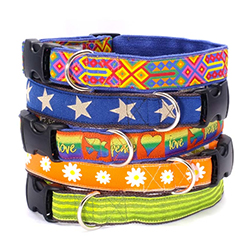
Our Good Dog has a beautiful selection of  unique leashes, collars, harnesses, coats, and even bow ties in a variety of fun and durable fabrics.

“Beautiful leashes, especially for the boat enthusiast.”


Non-Invasive Ways to Help Reduce Anxiety for Nervous Dogs

gifts17s

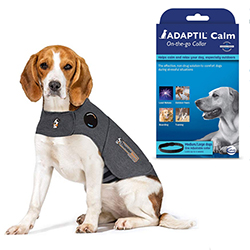
Not all our pets enjoy the chaos of the holidays – for dogs with anxiety or high stress, Adaptil Calming Collars and Thundershirts use natural calming methods to help nervous dogs relax, and can help make a difference and keep them calm.

For dogs that get a little nervous with all of the holiday activities.”


A Smart and Easy way to Help Keep your Dog Safe and Focused

gifts18s

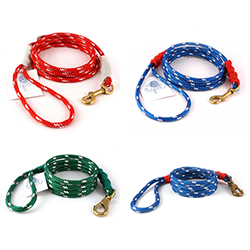
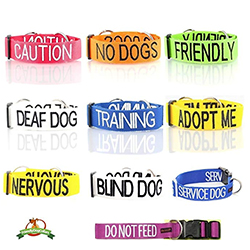
These clearly-labeled collars and leashes from Dexil Accident Prevention can be a huge help to dogs who are nervous, aggressive, in training, or working – among many other options. They help keep your dog safe while out in public and avoid potential accidents.

“I always recommend to people with dogs of any demeanor, it’s a great flag to other pet owners that don’t understand that not all dogs want to play or are dog friendly – the leash and collars promote others to respect that uncertainty of any animal they approach. SO HELPFUL!”


Beautiful and Durable Gear for your Dog that Helps Fund Rescues Across the Country

gifts19s

USA-made and environmentally conscious, EarthDog Eco-Friendly Hemp Products are both unique and long-lasting. In addition, your purchase can help animal rescues and spay and neuter programs across the country.

“They sell beautiful dog collars, leashes and beds made from soft hemp.  Part of all of their profits go to rescue organizations. Piggy has a beautiful collar that has kept its color and design for years. I love their decorative hemp adjustable collars. They are soft, beautiful and durable!”


A Fun Toy that your Pup will Love to Chase

gifts20s

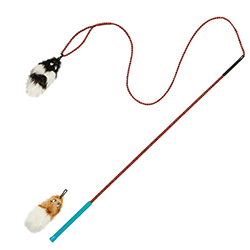
If your dog likes to chase things, they will love the Outward Hound Tail Teaser toy! This “fishing pole” toy lets your dog chase, pounce, and jump on the durable squeaky toy and provides great physical and mental exercise.

“My puppy’s favorite toy! Gets her tired in just 5-10 minutes – a must-have for rainy or bad weather days!”


Warm and Stylish Winter Gear for your Dog, made Specifically for each Breed

gifts21s

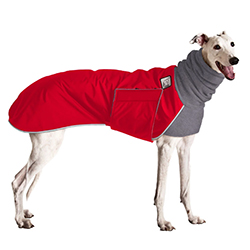
Voyagers K9 Apparel offers beautiful, warm, and durable gear for your dog including winter coats, raincoats, hoods, and boots. All gear is made for different breeds or can be custom created, so any size or shape of dog can have something that fits.

“Excellent quality and fit for my short-haired dog, and does a great job keeping him warm in the winter weather!”


These recommendations were solicited from Pieper employees based on their individual experiences and do not reflect or represent Pieper Veterinary as a whole.

The Dangers of Wild Mushrooms

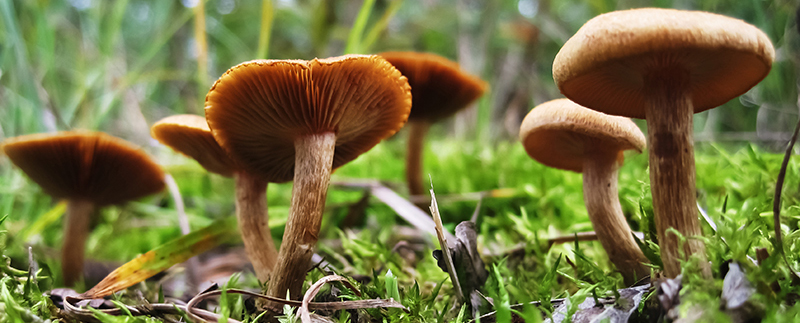
Wild mushrooms are a common sight all over Connecticut, especially in the rainy seasons like the spring and fall. While these fungi may seem unassuming, if your cat or dog decides to chew or eat some the consequences can be deadly. There are thousands of species of wild mushrooms, all with a variety of different levels of danger – some species are harmless, while others can cause everything from mild to severe illness, or even death.

Common affects of mushroom toxicity include:

  • GI upset (ex: vomiting, heavy drooling, nausea, or diarrhea)
  • Liver failure
  • Kidney failure
  • Neurological signs (ex: weakness, seizures, shaking/trembling, or loss of balance)

After eating a mushroom, symptoms can start to appear within minutes to hours. Because there is such a wide range of toxicity and serious signs may not show up immediately, any wild mushroom ingestion should be treated as a medical emergency.

beagle in forest

If your pet has eaten wild mushrooms, call your veterinarian or poison control immediately. If possible, bring in some of the mushrooms with you when you go to the vet to help identify what was eaten. Treatment for mushroom ingestion will vary depending on what specific symptoms your pet is showing. Because symptoms can progress very quickly, getting your pet to the veterinarian as soon as possible is crucial.

Mushrooms can grow in almost any environment but they especially like wet and warm weather – in rainy periods like the spring and fall, it’s not uncommon for them to pop up literally overnight. Please make sure to remove any mushrooms you find around your property as soon as possible to prevent any accidental snacking!

Diet-Related DCM: What We Recommend

In light of the recent FDA report announcing the potential link between certain diets and canine dilated cardiomyopathy (DCM), Pieper Veterinary recommends to avoid feeding dogs “BEG” diets.  “BEG” diets include diets made by boutique companies, those with exotic ingredients, and grain-free diets. Though still under investigation, the apparent link between these diets and DCM may be due to ingredients found in “BEG” diets, such as atypical meats and vegetables, or legume-rich ingredients used to replace grains in grain-free diets, such as lentils and chickpeas.  Raw or home cooked diets are not safe alternatives since these diets can increase the risk of many health conditions, including DCM.

Unless directed by your veterinarian to feed your pet a specific diet to treat your pet’s individual medical condition, Pieper Veterinary recommends feeding your pet a commercial pet food made by a well-established manufacturer with nutritional expertise that contains common ingredients, including grains. Such brands include Purina, Royal Canin, and Hill’s Science Diet.

DCM is a genetic heart condition usually recognized in large breed dogs such as Golden Retrievers, Doberman Pinschers, and Great Danes.  However many of the cases reported to the FDA included breeds of dogs not previously known to have a genetic predisposition to the disease. Fortunately, many of the affected dogs experienced improvement or resolution of their DCM when pharmacologic therapy was coupled with a diet change.

For more information:

https://www.fda.gov/animal-veterinary/news-events/fda-investigation-potential-link-between-certain-diets-and-canine-dilated-cardiomyopathy#diet

https://vetnutrition.tufts.edu/2018/11/dcm-update

https://taurinedcm.org/taurine-dcm-faq

Of the three types of lilies pictures above, none of them are safe to keep around your cat or dog.

Lilies are beautiful plants that can be commonly found in gardens, stores, and flower bouquets all across the world. But for our pets, these attractive flowers hide an unexpected danger. Lily toxicity can cause vomiting, diarrhea, kidney failure, and even death – and it only takes a small amount of the plant to do serious damage.

All types of lilies are poisonous to cats and dogs, and can cause everything from stomach upset and vomiting to acute kidney failure and death. Cats are especially sensitive, and even chewing on 1-2 leaves, grooming pollen off their fur, or drinking the water from a flower vase can cause serious kidney damage within 24 hours. Immediate, aggressive veterinary care is needed to help cats recover from lily poisoning.

Closeup portrait of calico maine coon cat lying on table looking outside by flowers in vase

The most toxic types of lilies are also the most popular – Tiger lilies, Easter lilies, Day lilies, Asiatic lilies, and Lilies of the Valley should be kept well out of reach of animals, or not allowed in the house altogether. If you suspect your pet has ingested part of one of these lilies, immediately call an emergency vet or Animal Poison Control. 

Calla lilies, Peace lilies, and Peruvian lilies are also toxic, but less so – they mostly cause vomiting, diarrhea, and drooling. A vet visit is always recommended if your pet is seen getting into these types of lilies.

For flowers that you can keep instead, roses, Gerbera daisies, orchids, sunflowers, zinnia, marigolds, and aster are all pet-safe alternatives. If you ever have questions about whether a particular plant is safe to have around your furry family members, always give your veterinarian a call to check.

What You Should Know About Lyme Disease

If you live in Connecticut, you’ve almost certainly heard of Lyme disease – you may even know someone who’s had it, or have had it yourself. This disease (also called “Borreliosis” after the bacteria which causes it, Borrelia burgdorferi) is spread by the bites of affected ticks and can cause symptoms such as fever, a rash, joint pain, and nerve pain.

But Lyme disease doesn’t just impact humans – our pets can also be affected. Dr. Nicole Belward, one of Pieper Veterinary’s board-certified Internal Medicine specialists, talks about how to recognize the signs of Lyme disease and how to protect your pets from tick-borne illnesses.

How can I Tell if my Pet has Contracted Lyme disease?

Exposure to Lyme is confirmed by special blood tests.  One important thing to understand about Lyme disease is that most dogs (95%) will recover naturally and do not become ill. Of the dogs who develop clinical signs (less than 5%), the most common symptoms are those associated with arthritis, such as lameness (limping/pain which may shift between legs) and fever.

There is a less common syndrome called Lyme nephritis, where the Lyme infection damages the kidneys.  This occurs in about 1-2% of patients exposed to Lyme. These patients experience an increase in thirst and urination and may also have vomiting, diarrhea, loss of appetite, and lethargy.

Unlike humans, effects on the heart and neurologic system have not been seen in dogs and cats.

If my Dog Tests Positive for Lyme, what Treatment is needed?

A positive blood test indicates exposure to the bacteria, but most dogs will clear Lyme disease on their own.  A dog with lameness and fever, along with a positive test, should be treated with antibiotics and will typically recover quickly.  If a dog tests positive for Lyme exposure but is not showing other symptoms, they should have urine testing done to check for Lyme nephritis (kidney damage).  Currently, there is no evidence to suggest that a dog with a positive Lyme test with no signs of arthritis or nephritis should be treated with antibiotics.  This topic is still somewhat controversial.

For dogs that show the symptoms of arthritis, lack of treatment will lead to increased joint pain, weakness, and fever. Lyme nephritis left untreated leads to severe complications of kidney damage and high blood pressure, and is often fatal.

Is Lyme disease contagious?

Lyme disease is not directly contagious from dog-to-dog or dog-to-cat.  However, a tick that has attached to a dog with Lyme disease can feed, fall off, then climb on to another animal and transmit the disease.

Can my Cat Contract Lyme disease?

Cats can be exposed to Lyme disease and test positive, but we do not yet have clear evidence that Lyme causes sickness in cats.  Nonetheless, we recommend all cats with outdoor exposure be treated with tick preventatives.

Do I still need to Watch for Ticks/Lyme disease in the winter?

Absolutely.  There are many environmental factors that affect the tick population through the winter months, and we do see patients with ticks even in the winter.

How Common is Lyme disease in Connecticut?

Connecticut is an endemic (native) region for Lyme disease.  In fact, Lyme disease got its name after a population of humans in Old Lyme, CT were found to have the same symptoms that were ultimately linked to the infection from the causative bacteria. The Companion Animal Parasite Council tracks the number of positive Lyme tests, and Connecticut frequently has the highest percentage of positive results in the country.

What’s the Best way to Protect my Pets from Lyme disease?

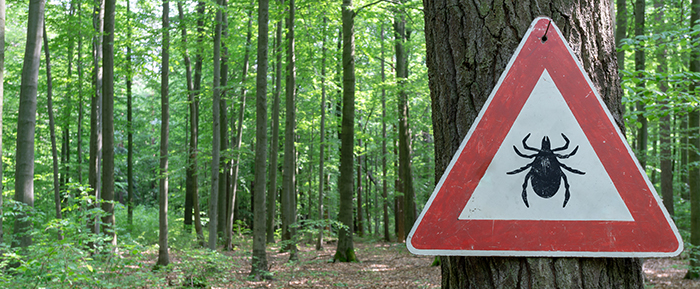
Lyme disease is transmitted by ticks, and in this area the ‘deer tick’ is the major carrier.  Preventing ticks is the best way to protect your pet.  Frequent and thorough tick checks are very important, as is using year-round tick preventatives.  Year-round tick prevention is critical as well. There are a variety of oral, topical, and collar options available on the market now, with oral products having some advantages with improved distribution and residual activity. Since Lyme Disease is endemic in Connecticut, Pieper Veterinary recommends that most dogs receive an annual Lyme vaccine.

In regards to tick control around the home, the CDC has excellent information available on their website: https://www.cdc.gov/lyme/about/index.html

Dr. Nicole Belward is an Internal Medicine specialist at Pieper Veterinary. She graduated from Gettysburg College and received her doctorate from the University of Florida College of Veterinary Medicine. She completed her residency at the Veterinary Medical Center of Long Island. Dr. Belward has special interests in immune-mediated diseases, hematologic diseases, and infectious diseases, and is a member of the AVMA and ACVIM.

New at Pieper: Fluoroscopy

Pieper is proud to announce that we’ve been able to expand our Diagnostic Imaging department to include a new tool: Fluoroscopy. Using a piece of equipment called a C-Arm, we’re able to take a continuous, real-time “movie” made of X-ray images. These are very useful for guiding and increasing precision in orthopedic surgeries, neurosurgery, interventional procedures, and contrast studies (which is shown here).

In this video, we can see a contrast study of a dog swallowing. We’re excited to utilize this technology to help provide our patients with the best care possible!

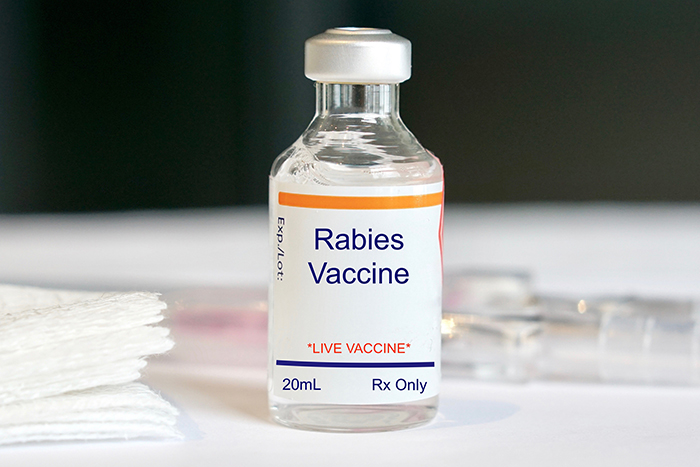
Five-Question Friday: Rabies

Police in Groton, CT announced recently that a family dog in the area tested positive for rabies. Rabies has become rare in the US thanks to the rabies vaccine and public awareness, but this deadly disease is responsible for almost 60,000 human deaths worldwide every year.

Dr. Benjamin March, one of Pieper’s primary care veterinarians, answered some questions for us about the dangers of rabies, and how we can help protect both our pets and our human families.

How Can My Pet Contract Rabies, and What Dangers Does It Present?

Rabies is caused by a virus that can be transmitted through saliva via a wound (ex: bite, scratch) or via mucous membranes (ex: mouth, nose, eyes). It is typically transmitted through a bite or contact with an affected animal, though infection through inhalation of aerosolized virus may occur when exposed to bats, and infection can occur rarely after ingestion of an infected animal.

Rabies can spread from animals to people. There is no established cure or treatment for rabies in people or animals, and it is considered to be 100% fatal in those that contract it.

Why Is the Rabies Vaccine Mandatory by State Law?

Rabies vaccinations in pet dogs and cats are a very important mechanism to protect people from potential exposure. Because dogs and cats are more likely to interact with infected animals (either outside or any that may enter the home), they can potentially be exposed to rabies and then subsequently expose a person.

In cases when a pet develops rabies, there is no treatment and the disease is always fatal. There are almost no other diseases – not even plague or Ebola – that carry this fatality rate.

Vaccination is a very easy, inexpensive means of protecting your pets from this universally fatal disease that, until relatively recently, was very common in the United States.

Do I Still Need to Vaccinate My Indoor-Only Pets Against Rabies?

Yes. Indoor-only pets can still be exposed to bats, rodents, and other animals that may make their way into the house. Also, pets do escape houses.

Are There Any Negative Side Effects From the Rabies Vaccine?

Vaccine side effects are very rare. The most common side effect, an allergic reaction, is easily treated with medications. Very rarely, anything that stimulates the immune system (such as a vaccine) can be associated with autoimmune disease. Tumors at injection sites do occur extremely rarely in a small subset of cats (1 in 10,000). To put it in perspective, the odds of being struck by lightning in your lifetime are estimated at about 1 in 3,000. In cats predisposed to injection site tumors, they can occur with any injection (ex: fluids, insulin), and are not specifically related just to vaccinations.

I’m Not Sure If My Pet Has a Current Rabies Vaccination — What Should I Do?

Call your veterinarian and ask if your pet’s rabies vaccine is current. If not, we would recommend scheduling an appointment to get your pet updated as soon as possible.

Dr. Benjamin March has been with Pieper Veterinary since 2014. He graduated magna cum laude from the University of Connecticut, majoring in Animal Science and Pathobiology and minoring in Molecular and Cell Biology.  Dr. March obtained his veterinary degree at Cornell University. While at Cornell, Dr. March was the recipient of the Frank Bloom Pathology Award, the Veterinary Cancer Society Award for Proficiency in Clinical Oncology, the Westminster Kennel Foundation Scholarship, and the Tracy French Clinical Pathology Award.

Hill’s Pet Food Recall Expanded

Hill’s (Science Diet) has updated their January food recall, which included several varieties of canned food found to have high levels of vitamin D. To see the updated list of all affected foods, please review https://www.hillspet.com/productlist .

Due to multiple recalls over a short period, Pieper Veterinary has elected to temporarily remove Hill’s canine canned diets from inventory until additional information from Hill’s is available. We recommend discussing options with your veterinarian. To continue feeding a Hill’s canned canine diet, please purchase from https://pieperolson.vetsfirstchoice.com/ or another online vendor during this time period. If you would like to transition to a comparable diet, please contact your veterinarian to discuss alternative options. Please remember, all diet changes should be gradual to reduce the risk of causing gastrointestinal upset.

We checked in with Dr. Nunez, a veterinarian and one of the owners of Pieper Veterinary, to find out more information about how we can help our pets during this recall.

What Are the Signs of Vitamin D Toxicity?

Some of the signs include lethargy, decreased or lack of appetite, vomiting, diarrhea, increased water drinking and/or urination, nausea/drooling, weight loss, or occasionally joint issues

What Should I Do If I Think My Dog Is Sick?

If you think your dog may be exhibiting these signs, please call your veterinarian to discuss your concerns and/or schedule an office visit so your veterinarian can do a physical exam and assess your pet’s condition. In any case, we recommend to discontinue feeding the recalled diet immediately. If your veterinarian suspects that your dog is exhibiting signs of Vitamin D toxicity, lab test screening will be performed to investigate this possibility and/or rule out other potential contributing diseases.

Is Vitamin D Toxicity Treatable?

In some cases, discontinuation of the diet and close observation may be the only recommendation.  In other cases, specific treatment intervention with hospitalization will be necessary. In most cases, full recovery is expected after discontinuation of feeding.  In cases of any pets consuming the recalled food, Hills will pay for diagnostic screening and reimburse pet parents for medical treatment for any affected pets.

My Dog Eats a Prescription Diet That Is Being Recalled — What Can I Feed Instead?

If your pet eats a prescription diet that is being recalled, please ask your veterinarian what alternate prescription diet is recommended based on your pet’s individual medical condition.  Purina and Royal Canin are two pet diet companies that offer comparable prescription diets.

I Purchased Food From Pieper That Has Been Recalled — How Do I Return It?

If purchased at Pieper Veterinary, please return all recalled canned food diets to us for reimbursement. If purchased at our online pharmacy Vet First Choice, please contact Vet First Choice directly for reimbursement: support@vetsfirstchoice.com

Where Can I Find More Information?

For an updated list of recalled products please go to www.hillsvet.com . Additional information is also available at https://www.fda.gov/Safety/Recalls/ucm634087.htm.

To contact Hills consumer affairs directly, please email contactus@hillspet.com or telephone 1-800-445-5777 available 7 days a week.

Dry food, cat food, and treats have not been affected by this recall.

Virginia Nunez, DVM, obtained her DVM from Purdue School of Veterinary Medicine in 1981. She is a member of the AVMA, CVMA, VMG-VSG, serves on the Middlesex Community College Veterinary Technology Program Advisory Board, and the Middlesex Community College Veterinary Technology Institutional Animal Care and Use Committee.

The Dangers of Xylitol

Lexi the Labrador is one very lucky dog! This lovely girl was at home when her feline sibling knocked over a pack of Icebreakers gum, which Lexi quickly scarfed down. Unfortunately, the gum contained an ingredient called Xylitol. Xylitol is a sweetener that is common in gum, but for pets it can be deadly – even just a few pieces of gum can cause hypoglycemia (low blood sugar), liver failure, and seizures.

Thankfully for Lexi, her family acted fast and brought her straight to our Middletown ER where Dr. Urbonas, our head of emergency services, started treating her. Lexi was already hypoglycemic by the time she came in, and was admitted to the hospital for fluids, medication, and round-the-clock monitoring.

Thanks to the quick action of her family and the care from Dr. Urbonas and our ER staff, Lexi recovered and was able to return to her family after a few days at Pieper and making a full recovery.

Because Xylitol is a sugar substitute, it is often used in “sugar-free” foods like candies, breath mints, gummies, and baked goods – even typically dog-friendly treats like peanut butter can sometimes contain xylitol, so make sure to ALWAYS check the ingredients list. If you ever suspect that your pet has eaten anything with Xylitol, please contact your local ER vet ASAP!


Hill’s Pet Nutrition Recall

Hill’s Pet Nutrition is voluntarily recalling select canned dog food products due to potentially elevated levels of vitamin D. While vitamin D is an essential nutrient for dogs, ingestion of elevated levels can lead to potential health issues depending on the level of vitamin D and the length of exposure, and dogs may exhibit symptoms such as vomiting, loss of appetite, increased thirst, increased urination, excessive drooling, and weight loss. Vitamin D, when consumed at very high levels, can lead to serious health issues in dogs including renal dysfunction. Pet parents with dogs who have consumed any of the products listed and are exhibiting any of these signs should contact their veterinarian.