Category: Uncategorized
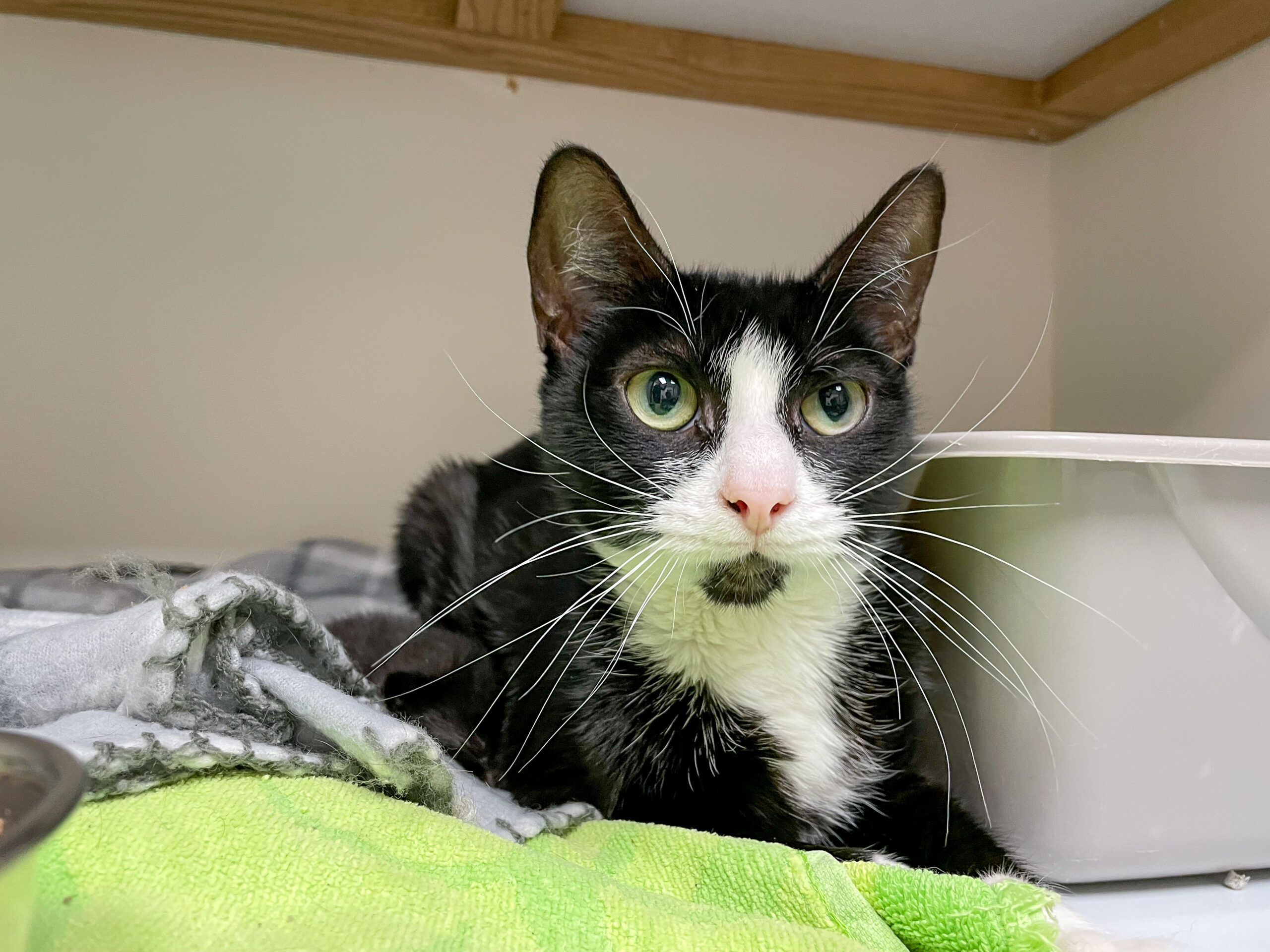
As anyone with a pet can tell you, when the COVID-19 pandemic first surged onto the scene in early 2020 suddenly the simple task of booking a veterinary appointment became an incredible challenge. As hospitals nation-wide closed their doors to all but the most critical emergencies, routine care such as vaccinations and spay and neuter surgeries came to a standstill. When a well-intentioned woman rescued four pregnant cats off the street at the beginning of 2020, she had no idea that three years later she would find herself with well over 60 cats.
Cats can breed as early as four months old, and give birth to an average of two to six kittens per litter. With four litters of kittens and no way to get any of them spayed or neutered for months, the population in the house skyrocketed. Despite the overwhelming situation the rescuer tried her best to keep all the animals healthy. Animal Control noted that the cats are overall in good condition and well-fed, with mostly minor medical problems such as fleas and upper respiratory infections.

“This is not a traditional hoarding case,” says Gail Petras, Senior Animal Control Officer of Middletown, noting that this wasn’t a situation where someone was purposefully trying to keep as many animals as possible. “This is a rescue that went bad and became overwhelming due the difficulties everyone was dealing with at the start of COVID. The owner had nowhere to go, and everything snowballed.”
Middletown Animal Control became aware of the case due to an anonymous tip and a cat bite incident. When they went to check on the vaccination status of the cats, they quickly realized that this situation was far more complex than they could have imagined.
Working together with the doctors and staff at Pieper’s Berlin Street hospital, on January 24th 18 of the cats were spayed and neutered, in addition to starting medication to clear them of fleas and infections. The Connecticut Humane Society has assisted Middletown Animal Control with covering the remaining costs of the veterinary care and helping to coordinate rescue organizations to take in the cats. Pieper often works closely with Middletown Animal Control to assist with the important work that they do keeping pets and their families safe, and a case like this is no exception.

Due to the sheer volume of animals the cats are being spread out among rescues, and it’s hopeful that thanks to everyone’s collaborative efforts the situation is now, finally, under control.
According to Animal Control, the owner of the cats has been fully cooperative, and is very grateful for the help that’s been provided so far. As Officer Petras states, “We do this job for the animals, but obviously you have to help the people too. Our goal is not to get people in trouble, our goal is to try to help. You never know what’s going on behind the scenes, and what challenges people are facing.”
As the weather forecast soars well into the 90s, veterinary hospitals brace for patients suffering from heatstroke. This potentially deadly condition can set in rapidly, especially for certain dogs – knowing the risk factors, warning signs, and how to keep your pup cool are essential for making sure that both you and your pets can safely enjoy the summer.
Is My Dog at Risk?
All dogs can suffer from heatstroke, but there are some individuals for whom hot weather may be even more dangerous. Check the list below – do any of these descriptions apply to your dog?
- Obesity
- Brachycephaly (short-nosed breeds, including pugs, bulldogs, and more)
- Long or thick coat
- Darkly-colored coat
- Seniors and young puppies
- Pre-existing health conditions (such as heart disease, or airway disease)
- Large or giant breed

If any (or multiple) of the above factors apply to your dog, they’re at an increased risk for heatstroke and require extra caution to keep them safe.
While we as people can choose to go inside and get a drink if we feel overheated, many dogs are unable to self-regulate in high heat. If they’re “high drive” and the type to run or play endlessly, they can ignore their body’s warning signs and end up putting themselves in danger – on hot days, it’s up to us as the owners to monitor the situation and make a judgement call as to when they’ve had enough.
Signs of Heatstroke
Heatstroke can come on rapidly in hot weather, so it’s important to be aware of the signs. If your pet is experiencing any of the following, please call your closest veterinary ER immediately:
- Hypersalivation (excessive and/or frothy drooling)
- Prolonged hyperventilation (rapid, shallow panting)
- Red or dark gums, tongue, or skin
- Vomiting or diarrhea
- Mental dullness, lethargy, stumbling
- Collapse
- Fever of 105f or greater
If caught early, heatstroke can be treated at an ER with critical fluid, oxygen, and medication support. But if untreated or advanced, heatstroke can result in severe organ damage and even death.
How to Beat the Heat

Fortunately, there’s many ways to help keep our dogs cool. Shade should always be available to avoid any direct sunlight, and turning on some fans to keep air moving can help a lot. Always make sure your pet has access to cool, clean water to drink. Many dogs also enjoy playing in water, including swimming or playing with a hose or sprinkler. However, also don’t let your dog chug water endlessly – this can lead to stomach upset or, in extreme cases, water poisoning.
Avoid the hottest parts of the day – exercise your dogs in the early morning or after the sun has set, when temperatures are cooler and there’s no direct sunlight. Asphalt can become searing hot in the sun, so test it with the back of your hand – if it’s too hot for your skin, it’s too hot for your dog’s paws!
You can also prepare a frozen treat for hot days – while some dogs are happy to munch on plain ice, you can also freeze low-sodium chicken broth, wet dog food, or plain greek yogurt in an ice cube tray or inside of a rubber Kong toy for a refreshing snack. A frozen wet bandana placed on your dogs collar can also help provide some extra relief.
Most importantly – never leave your dog in your car! At even mildly warm temperatures, a few minutes in a car can turn deadly, even with the windows cracked. Hot car confinement is a major and deadly problem – keep your dogs safe, and leave them home!

As the warm season is just starting, we’ll no doubt be facing many more days of hot temperatures – but by staying informed and aware, we can give our beloved pets the best chance to safely enjoy the summer with us.
It’s the season to start gardening – but for those of us with cats and dogs, sometimes beautiful flowers can hide a deadly danger. Whether you’re looking to exclusively grow a pet-safe garden or want to ensure any toxic plants are kept out of reach, researching your flower choices is the easiest way to ensure you can cultivate a garden that’s both beautiful and safe.
If you suspect your pet has consumed a toxic plant, contact ASPCA poison control immediately at (888) 426-4435.

Non-Toxic Plants:
- Alyssum
- Aster
- Gerber Daisy
- Hibiscus
- Orchid
- Pansy
- Petunia
- Rose
- Snapdragon
- Sunflower
- Zinnia
Toxic Plants:
- Azalea
- Begonia
- Carnation
- Chrysanthemum
- Daffodils
- Foxglove
- Hyacinth
- Lilies (including daylilies and lilies of the valley, highly toxic to cats)
- Rhododendron
- Sago Palm (highly toxic to dogs)
- Tulip
- Wisteria
Because there are many species of plant that are toxic to cats and dogs, symptoms are also wide-ranging and can vary from minor nausea to acute liver and kidney failure. Keeping yourself informed of what plants your pet has access to – and the warning signs to look out for – can help ensure that in the event your pet does consume something toxic, they can receive quick and effective treatment.
For a larger list of safe and toxic plants, or to look up a specific type of plant, please visit the ASPCA Poisonous Plant Directory.
Highly Pathogenic Avian Influenza (HPAI) is a deadly disease that affects both wild and domestic birds including ducks, chickens, turkeys, geese, guinea fowl, quail, and more. This disease is extremely contagious and often fatal, and was recently confirmed in wild mallard ducks in Middlesex and New London counties, in addition to a flock of backyard chickens in Long Island. Due to the serious risk HPAI poses, the Connecticut Department of Agriculture has issued a warning to all poultry owners.
*As of March 2nd, HPAI has been confirmed in a flock of backyard pet birds in New London county.
Symptoms of HPAI include:
- Bird deaths with no clinical signs
- Lack of energy and appetite
- Decrease in egg production
- Soft, thin-shelled, or misshaped eggs
- Swelling of the head, eyelids, wattles, combs, or hocks
- Purple discoloration of the wattles, combs, or hocks
- Gasping for air
- Coughing, sneezing, or nasal discharge (runny nose)
- Stumbling or falling down
- Diarrhea
If your birds are sick or dying in large numbers, or you notice a sudden drop in egg production, report it immediately! This is the most important step in preventing further spread of HPAI.
- Call Pieper Memorial Veterinary Hospital 860-347-838
- Call the Connecticut State Veterinarian 860-713-2505
- Call the USDA toll-free 866-536-7593
To Keep Your Flock Safe:
- Protect your flock from coming into contact with wild or migratory birds. Bring your birds inside.
- Restrict access to your property and your flock.
- Practice an “all-in, all-out” philosophy and do not add new birds to an established flock.
- Clean and disinfect your clothes, shoes, equipment, and hands after contacting your birds or if you have been around other birds or bird owners.
- Do not borrow equipment and poultry supplies from other bird owners.
- Report sick birds.
While HPAI does not currently pose a threat to humans or non-avian animals, it is still a very contagious, oftentimes fatal virus that can wipe out entire flocks, from both small backyard farms to large commercial businesses. There is no vaccine available for HPAI, which means that staying informed and practicing good biosecurity is the best way to help protect birds from this deadly disease.
For further reading:
WARNING for Pet Owners – We’re Seeing Lots of Dogs Lately With a Serious Disease Called Leptospirosis.
Leptospirosis is a highly contagious bacterial disease that infects both people and animals and can cause kidney and liver failure. Wildlife such as raccoons and rats are common carriers of infection. Since the bacteria prefers wet environments, all the rain we’ve had this year has contributed to an outbreak of Leptospirosis cases in Connecticut. Dogs can contract Leptospirosis by drinking or swimming in infected puddles, lakes, and rivers, coming into contact with infected urine, or by eating infected rodents.
Signs of Leptospirosis include fever, lethargy, increased thirst/urination, vomiting, diarrhea, and jaundice (yellowed skin). Untreated, it can cause fatal kidney or liver failure. Early and aggressive treatment is critical to fighting off the infection and minimizing organ damage.
Because Leptospirosis also infects people, it’s important to take extra precautions. Preventative measures for dogs include annual Leptospirosis vaccination. This vaccine is highly recommended especially if your dog is exposed to wildlife or other animals. Other preventative measures include controlling rodent populations and removing standing water in your environment.
If you notice your dog showing any symptoms of Leptospirosis, bring them to your veterinarian ASAP! Staying informed and aware of this disease, vaccination of your dogs, and minimizing environmental risks, will help keep your pets and your family safe and healthy.
If you’ve taken a trip to the veterinarian sometime over the past several months, you may have noticed that things seemed different during your visit. If you called your primary care hospital to ask about coming in that day, you were likely told that the schedule was full and that you’d need to wait several days or weeks for your pet to see a doctor. If you went to an emergency or urgent care hospital you may have found yourself waiting for several hours for your pet to be admitted. Wait times and busy schedules have always existed, but over the last year they’ve started climbing rapidly – and there’s no sign of them slowing down.
So why are veterinarians so busy?
The Pandemic

There’s several answers to this question, and the first, most obvious one, is the COVID-19 pandemic. This presented a unique challenge for the veterinary industry – even though our staff and clients were at risk of getting ill, simply closing our doors to sick pets wasn’t an option we were willing to consider. Many hospitals switched to curbside service, where pets are brought into the hospital while their owner waits outside to speak with the vet over the phone. Although safest, this method slowed down our hospital processes and appointments significantly. For both the staff inside and the pet parents waiting, the extra steps for a curbside appointment – calling to check in, going out to the car, calling during the visit, going back out, calling to pay – meant a lot more extra work and, as a result, extra time. When each visit takes longer to complete, that means less visits can be seen in a single day.
Plus, curbside protocols weren’t rolled out overnight – during the first months of the pandemic, many hospitals had to temporarily close for periods of time – whether it was due to staff shortages, COVID infections, or out of an abundance of caution. Even when they re-opened, hospitals were often operating on reduced hours, not able to see new patients, or only seeing patients with urgent needs. Along with curbside, it means that the number of available appointments was very limited . Elective surgeries like spays and neuters and “wellness” visits (annual exams and vaccines) were pushed out for months, and many hospitals are still struggling to catch up with the backlog now.
The bottleneck from the pandemic may seem simple, but it’s only one part of the problem.
New Pets

Another reason for all the traffic at veterinary hospitals is the huge numbers of new patients. Across the country, many families adopted new pets to help keep them company during the lockdown. But more pets also means more vet visits. All new pets should be seen by a veterinarian soon after you bring them home, and that goes extra for puppies and kittens who will need to be seen for multiple visits to receive their vaccine boosters. New pets also often take a while to settle into their new homes, and during that period tend to get into trouble – like getting into scuffles with other pets, running away, or eating something dangerous. This surge of new pets came at the same time that many hospitals were closing or limiting their hours, and that meant that the backlog of patients trying to get an appointment suddenly skyrocketed. Whereas before a doctor might have two or three clients on their wait list for a day, many hospitals found themselves with wait lists equal to booking their whole day two or three times over. Even well over a year into the pandemic, new patients are still on the rise as more and more people welcome new pets for companionship.
For a small general practice hospital working with a packed schedule, many patients who they would normally be able to “squeeze in” now get referred to an emergency room instead, even if the problem itself is not life-threatening. For the emergency hospitals on the receiving end of these referrals, all of these “overflow” patients add up rapidly. ERs everywhere are now easily running into wait times double or triple what they would normally have, and Connecticut has been no exception.
Staff Shortages

One of the biggest reasons is also one that’s less obvious – veterinary staff. Specifically, there is a country-wide shortage of veterinarians, assistants, and technicians. This industry has a well-earned reputation for being a difficult one to work in – the physical labor of handling and restraining large animals, injuries from bites and scratches, long hours on your feet, and the heavy emotional burden of working with suffering animals and euthanasia can be a lot for even seasoned veterinary staff. There’s also a small but growing number of pet owners who take out their frustrations and grief on the veterinary staff, and verbal abuse and threats are sadly not uncommon – every tech and assistant has experiences of being insulted and treated badly by upset clients.
All these factors mean that the burn-out rate for techs and assistants is very high, and especially with the growing pressures of the last year hospitals are seeing an unprecedented rate of turnover amongst their staff – and there simply are not enough new applicants to make up for the loss. The infrastructure of veterinary hospitals is in danger of crumbling.
The same holds true for the doctors themselves, in all disciplines but felt most acutely in emergency medicine. Schooling is highly competitive and priced to match – the average veterinary student graduates with almost $200,000 of student debt along with their doctorate, and that number rises every year. The combination of high debt, physical exhaustion, emotional burnout, and abusive clientele means that veterinary workers have one of the highest rates of suicide in the US, with techs and doctors anywhere from two to five times more likely to commit suicide than the average person. The staff shortage and high turnover rate isn’t simply people looking for a change of scenery – often people leave because they feel they have no other choice for their own mental health.
This problem may be one the average pet owner isn’t aware of, but it’s an extremely important factor when we look at the bigger picture.
How You Can Help

The current state of the veterinary industry is not due to one problem, but many different ones – the sharp increase in new pets, the closures from the pandemic, limited hospital capacity, a shortage of veterinary staff, and the emotional and financial stress across the country. One or two of these problems would be manageable, but all of them combined are overwhelming.
This is the current state of veterinary medicine – high demand and low supply. And unless we start seeing the number of new patients slow down and the number of veterinary staff and resources start growing, this is how things will remain for the foreseeable future.
So what can you, as a pet owner and client, do to help? It’s always easier to treat things before they get too serious. Make appointments for routine care early, even weeks or months in advance. Ensure your pets stay on their preventative medications like heartworm and flea and tick meds to avoid illness. If your pet is sick but it’s not an emergency, make an appointment with your regular vet if at all possible. If you do need to come to the emergency room, please expect a long wait. ERs see patients based on severity of illness, not in order of arrival. This can be frustrating for people who wait many hours with an uncomfortable pet – but the patients that come in before you are in critical condition and their lives are at risk, regardless of how they may appear to you. “Whose pet is more sick” is not a fight you ever want to win.
And importantly, please remember to be kind to the veterinary staff – frustration and anxiety at the situation is understandable, but taking that anger out on the staff is never acceptable, especially during times like these when veterinary professionals are trying to handle the overflow as best as they can. Remember that this isn’t a case of you and your pet versus the veterinary staff. It’s you and your pet and the veterinarian versus your pet’s illness. We are all working on the same team, and we all are fighting for the same goal – to help your pet in any way possible.
A brief moment of empathy can leave a huge impression on someone. We thank you for following along this week as we discussed the state of the veterinary industry, and hope this information was informative as we all navigate through this changing world. Things are hard, but we’re here to help. From all of us at Pieper (and hospitals everywhere), thank you for being kind.
Updated Policies Regarding Outside Pharmacies (June 2021)
Due to concerns regarding online pharmacies dispensing counterfeit or damaged products, Pieper Veterinary will no longer be working with outside companies (such as Chewy.com) for prescription refills. We strongly encourage clients to have their prescriptions filled either through one of our hospitals’ on-site pharmacies or online through Vet’s First Choice, who we have partnered directly with.
Why is the Policy Changing?
There is a widespread problem with outside, non-veterinary companies accidentally dispensing counterfeit products instead of real medications. These counterfeits can be almost identical to the real product and are at best ineffective, and at worst can cause illness or even death. (Flea and tick preventatives are a common target for counterfeiting). Even with real products, they are often stored at incorrect temperatures which can cause them to fail. Additionally, outside stores often send multiple requests, fail to send us needed information, fill the prescriptions incorrectly or without checking with the doctor, or require constant follow-up – this puts a huge strain on our reception staff, slows down our ability to help our clients in-hospital, and can be very dangerous for your pet.
What Do you Recommend?
We always recommend that our clients fill their prescriptions directly through our hospitals’ on-site pharmacies – you can either call us or fill out an order form over our website. If you prefer to have food/medication shipped to you, Vet’s First Choice is available for online ordering and delivery options, including auto-ship. By using these sources, you can guarantee that your pet’s medications and food are genuine and safe.
What If I Still Want to Use an Outside Pharmacy/Website?
If you wish to continue filling your orders at an outside pharmacy, we will provide you with a written prescription that you can pick up and then send to the pharmacy of your choice via e-mail, fax, posted mail, or in person.
How a Walk in the Woods Turned Into Emergency Surgery
You never know what you’re going to find when a case comes into the emergency room – sometimes things that look serious can turn out fine, and sometimes things that you think are one thing turn out to be another. For Toby, what appeared to be a small injury was quickly discovered to be much, much bigger.
Toby, a 6-year-old Goldendoodle, was out enjoying a run through the woods when his family saw blood and what appeared to be a small wound on his chest. Concerned, they brought Toby in to our Urgent Care hospital in Madison to get him checked out. Dr. Urbonas examined Toby and became suspicious that the wound may actually be much deeper than it appeared – possibly even deep enough to reach his chest cavity. If that was the case, it would allow fluid and gas to build up around Toby’s heart and lungs and become life-threatening. She sent Toby and his family over to our 24/7 ER in Middletown for a surgical exploration of the wound.
During the procedure, the doctors quickly realized that although Toby’s wound was less than an inch long, it was very deep – it penetrated at least 7 inches into his chest! An emergency thoracotomy (chest surgery) was performed to clean the wound and place a drain to allow it to heal correctly. The operation went smoothly with no other problems, and after a few days of recuperating in the hospital Toby returned home to his family feeling much, much better.

While Toby’s story might seem like a freak accident, these types of impaling injuries are more common than you might think – our critical care department estimated that they see over a dozen every year through our ER alone. Most of them, like Toby, are simply dogs running in the woods or yards that happen to hit a branch or stick at just the wrong angle. These wounds often look minor on the surface, but can be life-threatening without medical attention.
Thanks to the quick response from his family and the expert care at Pieper, Toby was able to make a full recovery. If you’re out with your own pets and notice what seems to be a minor injury, don’t be afraid to give your vet a call and see if it should be checked out – you never know what might be going on beneath the surface.
It’s time for holiday shopping! Looking for the perfect gift for the pets and pet lovers in your life? We asked our staff members to recommend their favorite pet products that they’ve personally tried and loved. Here are over 20 of our top picks!
Stylish and Practical Gear for your Dog

Lucy & Co has you covered when it comes to bandanas, harnesses, leashes, collars, and coats for your pup in a variety of beautiful colors and patterns, including natural rope and leather. Fashionable as well as practical!
They are cute, comfortable, secure, and reversible!
Tasty Treats that Help Keep Teeth Clean

If you’re looking for a chew that your dog will love in addition to being good for their teeth, check out Pedigree Dentastix Dental Treats. In addition to being a fun reward, these delicious dental chews can help freshen breath, clean teeth, and even reduce tartar.
“I give one to each of my dogs every night before bed and they hang out by the room we keep them in in anticipation. Plus, they are good for their teeth!”
An Easy Way to Help your Dog Eat Calmly

The JASGOOD Slow-Eating Food Bowl is a simple and effective solution for dogs who gulp down their food too fast! In addition to providing mental enrichment, it can also help by reducing choking and gas that might come from swallowing food too quickly.
“Our new puppy is so excited about food, this makes her slow down and eat her food without inhaling it.”
A Genius Toy to Keep your Cats Entertained

The Bolt Automatic Laser Cat Toy is a hands-free toy that provides great exercise and stimulation for your cat, and is as easy for you as pushing a button! It also includes an automatic shut-off after 15 minutes so your cat doesn’t get too overstimulated from playing.
“Keeps my kitties entertained while I am making dinner after a long shift.”
A Simple and Important Tool for Keeping your House Pet-Safe

The Carlson Extra Tall Walk-Through Pet Gate is easy install, adjustable, and extra tall, and includes a locking cat door for making sure you can control where any of your pets go. Gates are incredibly useful for potty training, controlling chewing and destructive behavior, and giving your pets a safe space during busy times or holidays.
“A total game changer for keeping my litterbox-diving dog out of the cat box area. Also great for keeping both canine and feline companions from bolting out open doors!”
An Extra-Tough Toy for Playful Power-Chewers

If your dog loves to destroy toys, look no further than the Kyjen Hard Core FireHose Squeak n’ Fetch. This fun squeaky toy is made from the same material as firehoses – perfect for those extra-tough chewers!
“Remarkably durable; Great for destructive pups that still love soft toys.”
An Engaging and Fun Toy to Bring out the Hunter in your Cat

These colorful springs are irresistable to cats who love to “hunt” their toys – they bounce, roll, and twist whenever they are touched! Tamu-style Cat Spring Toys are great for both physical and mental exercise for your kitty.
Cute and Colorful Catnip Toys for Sushi-Lovers Everywhere

If your cat likes catnip, they will love these adorable and unique Munchiecat Sushi Toys. Plus choose from different fun shapes like nigiri, mako, and tamago rolls!
An Essential tool for Playing Fetch with your Dog

A must-have for dogs who love to fetch! The ChuckIt! Sport Launcher is durable and lightweight, and it allows you to throw balls farther and easier than ever. Great for both your arm, and for entertaining your dog.
“Perfect for those pups who love to run and will go long distance!”
A Unique, Vet-Designed Way of Feeding and Engaging your Cat

Designed by veterinarians, this unique cat feeder lets cats “hunt” for their food and safely use their natural instincts. Doc & Phoebe’s Indoor Hunting Cat Feeder keeps cats busy and entertained while also limiting the amount of food – perfect for kitties on a diet.
“Allows cats to hunt for their food naturally which gives them both environmental enrichment and decreases food consumption. This is what my cats are getting this year!”
A Genius Toy to Keep your Dog Quietly Entertained

If you’re not a fan of the sound of constant squeaking, you may want to buy the Hear Doggy! Ultrasonic Squeaker Toy. This reinforced toy squeaks at a pitch so high that people can’t hear it – but dogs love it! Keeps your dog entertained while giving you some peace and quiet.
Comfortable Dog Beds that can Stand up to Chewing and Digging

For dogs who like to dig, chew, or shred their bedding, look no farther than K9 Ballistics Dog Beds. These beds, blankets, and mats are ultra-durable – They come in many different shapes and styles, including orthopedic and outdoor.
“This is the only bed I allow in my home! The others were getting shredded……. Its virtually chew proof, machine washable cover and my dogs love them. I buy the orthopedic one.”
A Tough and Stylish Scratching Post your Cat will Love

Every cat needs a scratching post! In addition to being extra durable and providing your cat a place to appropriately sharpen their nails, the attractive design of the SmartCat Pioneer Pet Ultimate Scratching Post means it can fit in with any room.
“It’s sturdy enough for them to really scratch and climb, plus they fit in well with the living room furniture.”
A Simple Toy to Keep your Dog Entertained for Hours

Food puzzles like the Omega Paw Tricky Treat Ball are excellent for bored or fast-eating dogs, and can keep them entertained while also providing mental exercise and enrichment.
“Great forage toy, even for typically destructive dogs.”
Delicious, Chewy, and Low-Calorie Treats for your Dog

Sam’s Yams Sweet Potato Treats are low calorie, made in the USA, grain-free, and help keep teeth clean – a great alternative to traditional rawhide!
“My dog’s favorite treats!”
High-Quality, Artistic Gear for your Dogs

Our Good Dog has a beautiful selection of unique leashes, collars, harnesses, coats, and even bow ties in a variety of fun and durable fabrics.
“Beautiful leashes, especially for the boat enthusiast.”
Non-Invasive Ways to Help Reduce Anxiety for Nervous Dogs

Not all our pets enjoy the chaos of the holidays – for dogs with anxiety or high stress, Adaptil Calming Collars and Thundershirts use natural calming methods to help nervous dogs relax, and can help make a difference and keep them calm.
“For dogs that get a little nervous with all of the holiday activities.”
A Smart and Easy way to Help Keep your Dog Safe and Focused

These clearly-labeled collars and leashes from Dexil Accident Prevention can be a huge help to dogs who are nervous, aggressive, in training, or working – among many other options. They help keep your dog safe while out in public and avoid potential accidents.
“I always recommend to people with dogs of any demeanor, it’s a great flag to other pet owners that don’t understand that not all dogs want to play or are dog friendly – the leash and collars promote others to respect that uncertainty of any animal they approach. SO HELPFUL!”
Beautiful and Durable Gear for your Dog that Helps Fund Rescues Across the Country

USA-made and environmentally conscious, EarthDog Eco-Friendly Hemp Products are both unique and long-lasting. In addition, your purchase can help animal rescues and spay and neuter programs across the country.
“They sell beautiful dog collars, leashes and beds made from soft hemp. Part of all of their profits go to rescue organizations. Piggy has a beautiful collar that has kept its color and design for years. I love their decorative hemp adjustable collars. They are soft, beautiful and durable!”
A Fun Toy that your Pup will Love to Chase

If your dog likes to chase things, they will love the Outward Hound Tail Teaser toy! This “fishing pole” toy lets your dog chase, pounce, and jump on the durable squeaky toy and provides great physical and mental exercise.
“My puppy’s favorite toy! Gets her tired in just 5-10 minutes – a must-have for rainy or bad weather days!”
Warm and Stylish Winter Gear for your Dog, made Specifically for each Breed

Voyagers K9 Apparel offers beautiful, warm, and durable gear for your dog including winter coats, raincoats, hoods, and boots. All gear is made for different breeds or can be custom created, so any size or shape of dog can have something that fits.
“Excellent quality and fit for my short-haired dog, and does a great job keeping him warm in the winter weather!”
These recommendations were solicited from Pieper employees based on their individual experiences and do not reflect or represent Pieper Veterinary as a whole.